Maoist disillusionment driving cadres back to mainstream: DGP Shivadhar Reddy
The CPI (Maoist) organisation is facing a steep decline in cohesion and capability due to sustained security operations, ideological dissatisfaction, and internal conflicts. Telangana DGP B Shivadhar Reddy revealed that arbitrary deployments, logistical shortages, and leadership disputes have compelled cadres to surrender.
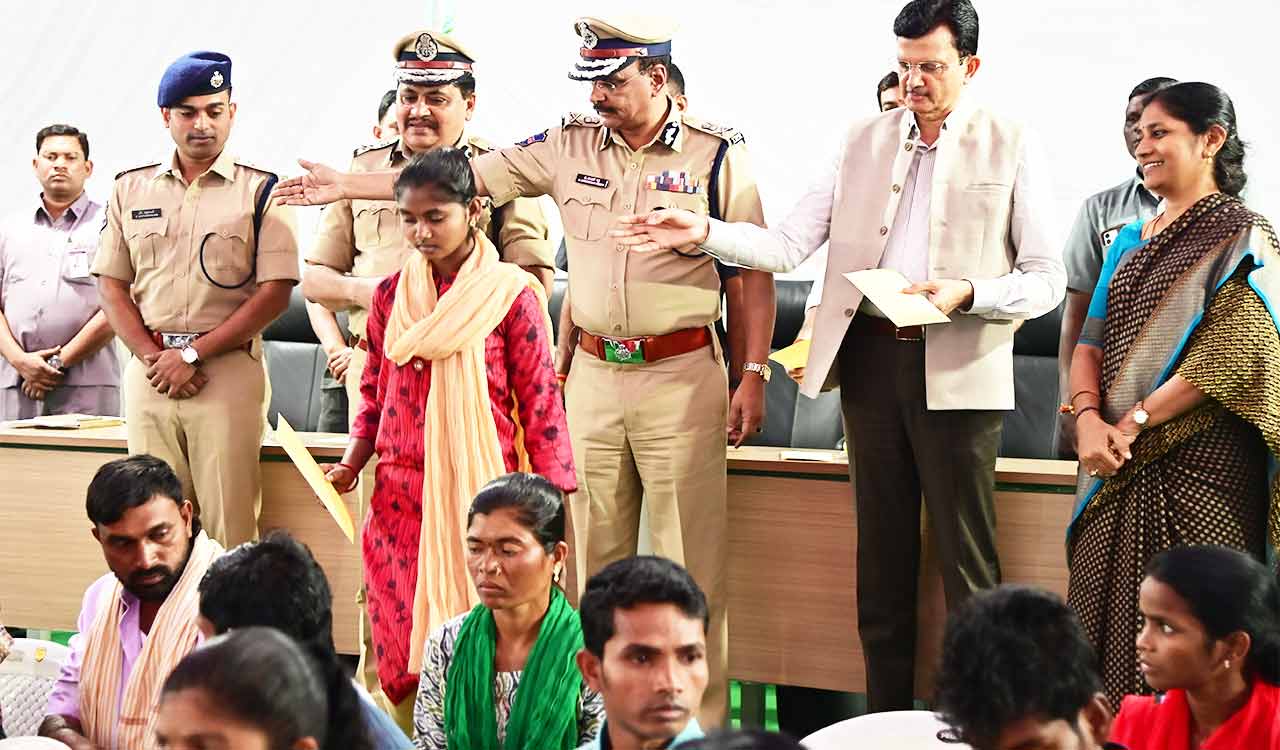
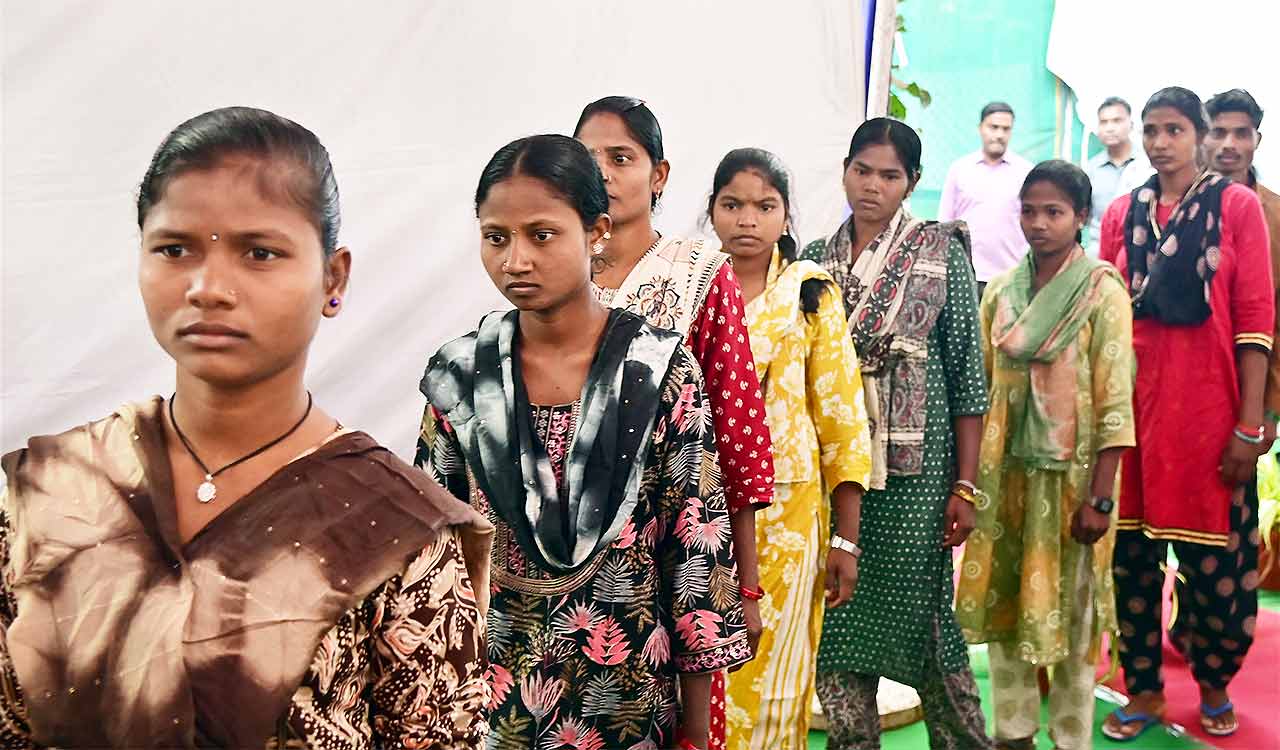


Hyderabad: The CPI (Maoist) party has been experiencing a sharp decline in organisational cohesion and operational capability due to continuous security operations disrupting their networks and logistics leading to shrinking support bases and reduced mobility.
This apart, the deepening ideological dissatisfaction among cadres, intensifying internal conflicts, mistrust and leadership fragmentation have been plaguing the underground rebel party. Police authorities say these factors have compelled many cadres and key functionaries to reconsider their association with armed struggle and opt for surrender to pursue a peaceful and dignified life.
DGP B Shivadhar Reddy said on Friday that the Maoist party leadership has been arbitrarily deploying cadres to unfamiliar and distant areas without their consent, often to regions where they lack basic geographical knowledge and local support. This has resulted in serious mobility constraints and acute logistical difficulties, including shortages of essential daily necessities.
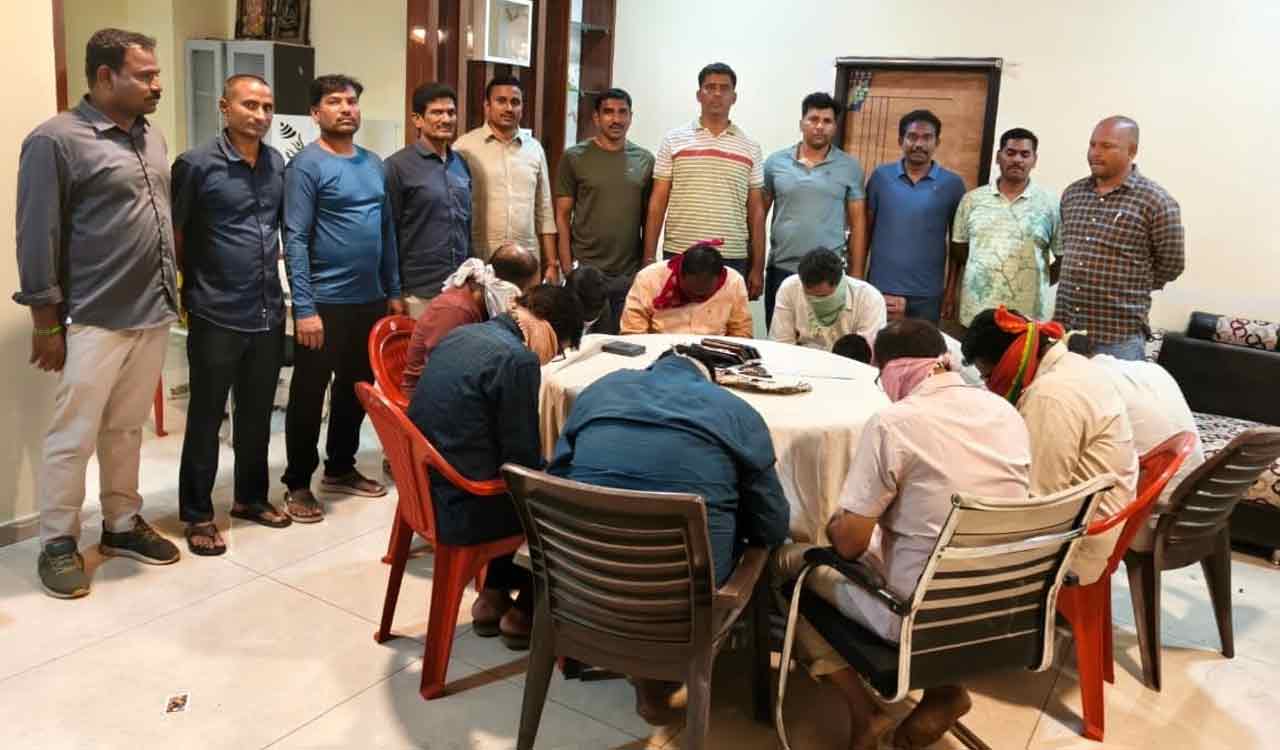
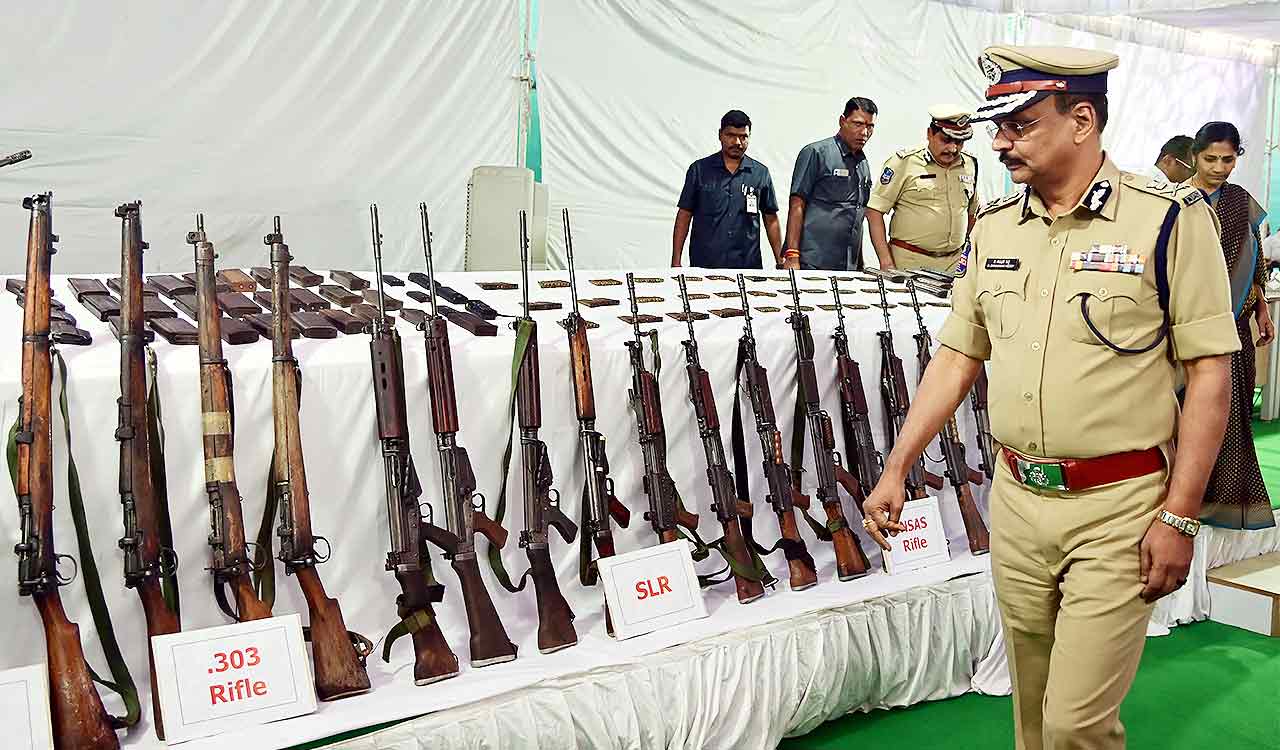
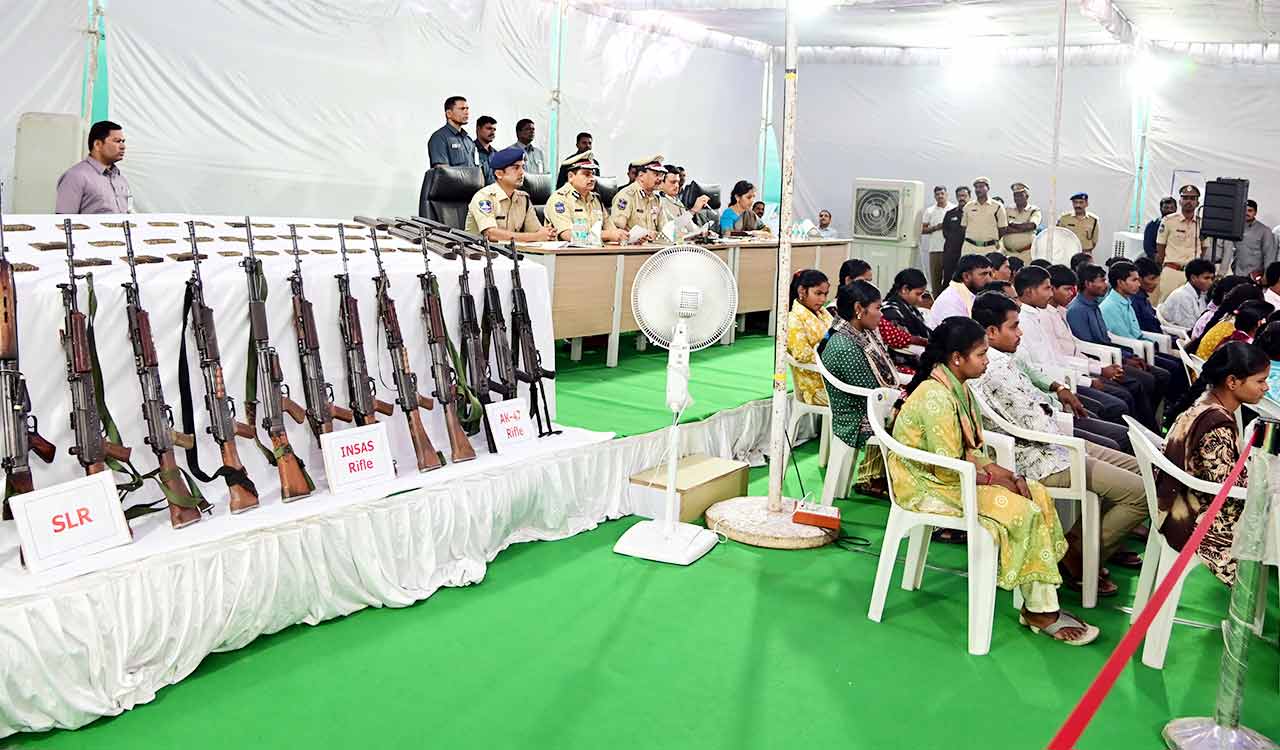
“Such conditions have caused growing frustration and hardship among the cadres, compelling many to disengage from the organisation and choose to return to the mainstream in society,” he said at a press conference where 41 Maoist cadres surrendered before him.
Apart from this, the sustained pressure from security forces and non-cooperation and dilution of their logistic networks has resulted in restricted mobility and operational setbacks. Ideological divergence and disillusionment have risen from the growing gap between leadership and ground realities.
Internal rifts, factionalism, and leadership disputes within the party, harsh living conditions, deteriorating health and prolonged separation from families coupled with weakening ideological relevance, are also contributing factors.
The DGP reiterated that the decision of the cadres to surrender reflected a positive, conscious, and pragmatic response to the State government’s appeal and a clear rejection of the path of extremism.
“The cadres have chosen to prioritise their health, family life, and personal dignity and to lead a peaceful, law-abiding life through rehabilitation and reintegration,” he said.
On the other hand, the party leadership has recently instructed its underground cadres to move out of Chhattisgarh and disperse to other areas until 31 March 2026, the deadline set by the Government of India for eliminating the CPI (Maoist) problem.
The leadership has conveyed to the cadres that security operations will be scaled down after this date and they will be able to resume their underground activities thereafter. This assurance, however, police said was misleading and amounts to a false promise.
In 2025 alone, a total of 509 underground CPI (Maoist) cadres, including 2 Central Committee Members (CCMs), 11 State Committee Members (SCMs), 3 Divisional Committee Secretaries (DVCS), 17 DVCMs/CyPCMs, and 57 ACMs/PPCMs have surrendered before the Telangana Police.
As of date, 54 underground CPI (Maoist) cadres are natives of Telangana. Notably, 5 out of the 7 Central Committee Members are natives of the State, highlighting the significance of Telangana in the organisation’s leadership structure.
The Telangana Police appealed to CPI (Maoist) cadres, particularly those belonging to the State, to surrender their weapons and join the mainstream to lead a dignified life with the support of its surrender and rehabilitation policy.

Related News