Opinion: Hormuz, the new centre of gravity in US-Iran rivalry
The contest is no longer simply about freedom of navigation; it is about influence over the world’s most important maritime energy corridor


By Brig Advitya Madan
Barely a month after the United States and Iran agreed to halt hostilities, the Strait of Hormuz has once again become the focal point of strategic competition in West Asia. When the ceasefire understanding was announced on June 17, President Donald Trump declared that Washington had achieved its military objectives and that the Strait would remain open for international commerce.
Also Read
Those expectations proved short-lived. Instead of restoring stability, the ceasefire has been followed by renewed maritime tensions in the Gulf and a parallel escalation in the Red Sea through Iran’s support for the Houthis. The result has been fresh uncertainty over one of the world’s most critical energy corridors.
Testing Resolve
Recent American strikes in southern Iran and Iranian missile attacks targeting military facilities in Bahrain and Kuwait suggest that both sides continue testing each other’s resolve while carefully avoiding a return to full-scale war.
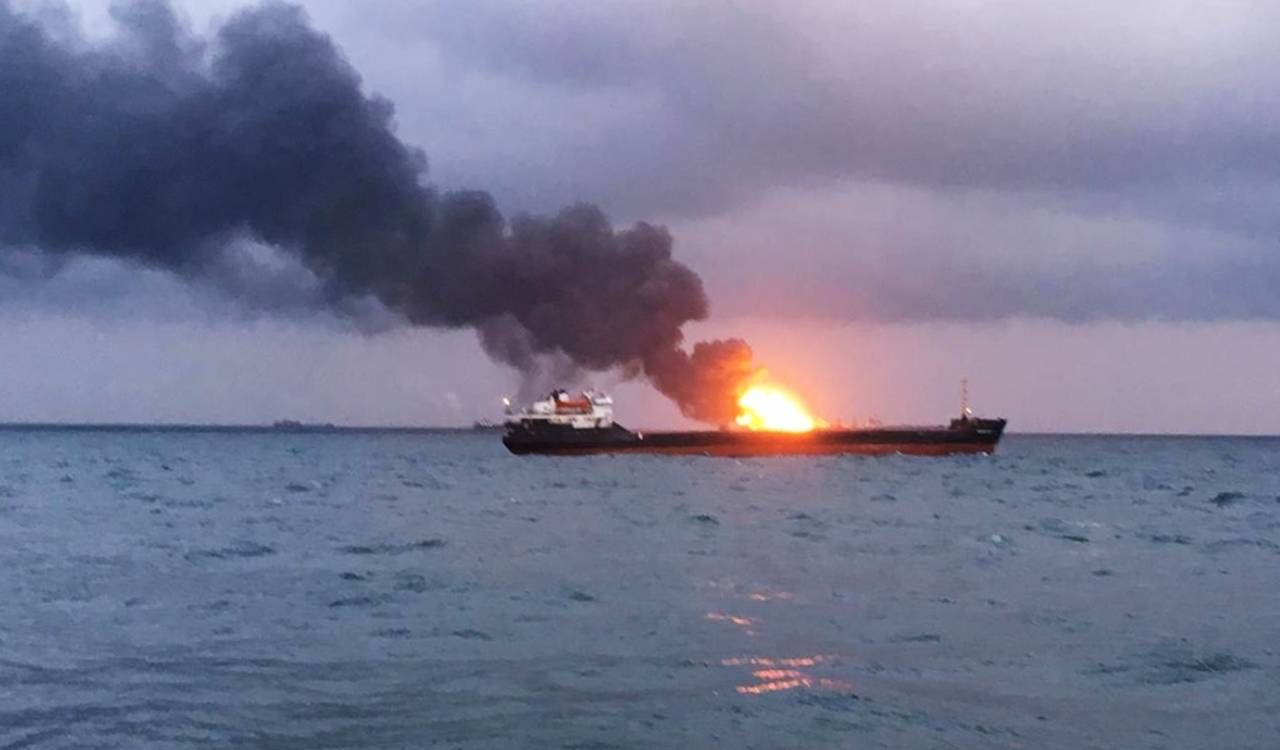
At the same time, Iran has encouraged the Houthis to intensify pressure on Saudi-linked shipping in the Red Sea, effectively opening a second maritime front around the Bab el Mandeb Strait. The confrontation has thus evolved from conventional military exchanges into a broader contest over the sea lanes that sustain global energy flows.
Stability in the Gulf will ultimately depend on renewed negotiations that address both maritime security and the underlying nuclear dispute
At the centre of the dispute lies differing interpretations of a provision in the June ceasefire. One clause required Iran to ensure the safe passage of commercial shipping through the Strait of Hormuz. Washington interpreted this as an obligation to remove naval mines, refrain from interfering with international navigation and permit unhindered commercial transit.
Tehran, however, argues that ensuring safe passage also implies recognition of its authority to regulate navigation in waters adjacent to its coastline. This divergence has transformed what appeared to be a technical clause into the principal source of renewed friction.
Complicating Situation
Operational realities have further complicated the situation. Commercial vessels seeking to avoid Iranian naval mines have increasingly relied on the southern navigation channel along Oman’s coast under the protection of the US Navy. Tehran views these escorts not merely as defensive measures but as an attempt to diminish its influence over one of the world’s most sensitive maritime chokepoints.
Although Washington maintains that the Strait remains open, commercial behaviour tells a different story. Shipowners remain reluctant to expose vessels and crews to escalating risks, insurance premiums have risen sharply, and tanker traffic reportedly declined in early July as shipping companies adopted a more cautious approach.
Strategic Reality
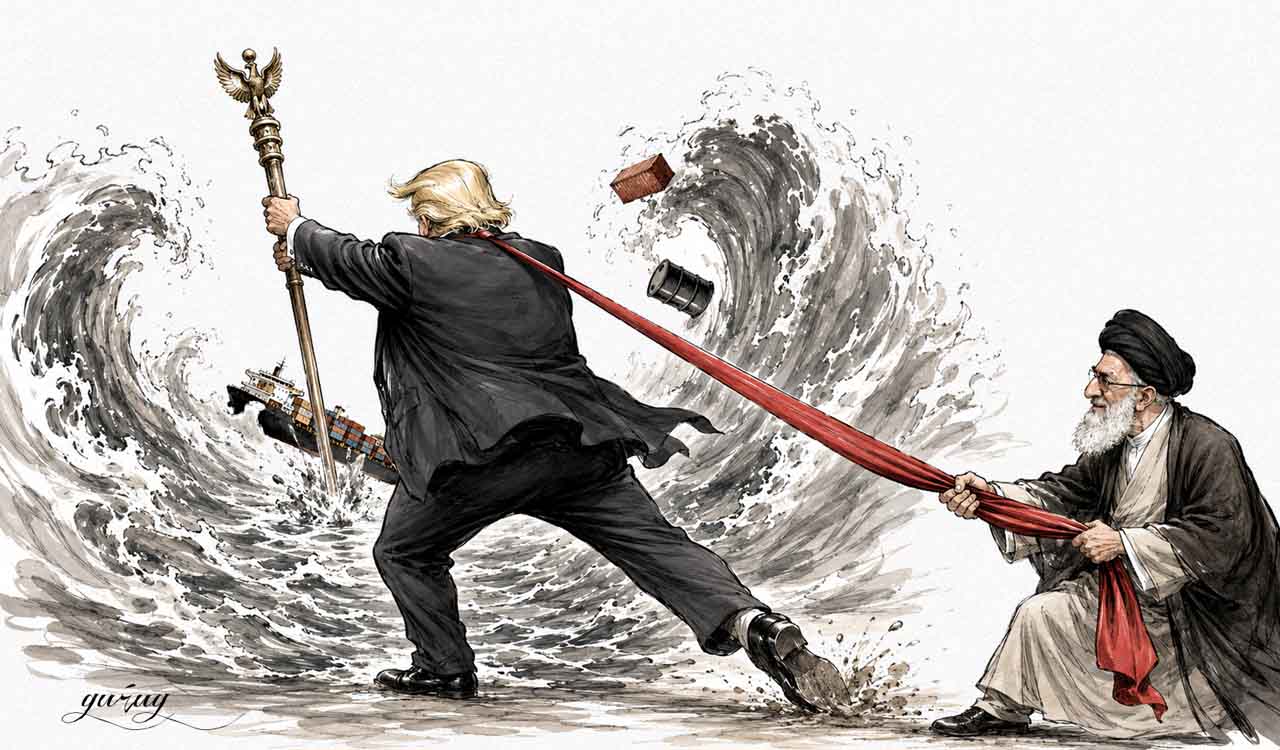
These developments underline a larger strategic reality. The contest is no longer simply about freedom of navigation; it is about influence over the world’s most important maritime energy corridor.
For Iran, Hormuz is far more than an economic asset. It strengthens deterrence, enhances bargaining power and provides leverage during future regional crises. For the United States, preserving unrestricted navigation is equally central to maintaining credibility with Gulf partners and ensuring stability in international energy markets.
Despite weeks of American air strikes, Iran’s strategic posture appears fundamentally unchanged. Washington targeted facilities in southern Iran, but Tehran retains the ability to threaten maritime traffic without relying solely on coastal missile batteries. Much of Iran’s missile arsenal has a range exceeding 1,000 kilometres, enabling launches from deep inland. Even if coastal launch sites were degraded, Iran would still possess the capability to threaten shipping and military installations across the Gulf.
Equally significant is the role of the Houthis. Their ability to disrupt commercial traffic in the Red Sea demonstrates that Iran’s maritime leverage now extends beyond Hormuz. By creating simultaneous pressure points in the Strait of Hormuz and the Bab el Mandeb, Tehran has complicated the strategic calculations of the United States and its partners.
Rather than attempting to close either waterway completely, Iran and the Houthis appear intent on sustaining uncertainty. Even limited attacks on commercial shipping are sufficient to raise insurance premiums, divert shipping routes and increase global energy prices. In contemporary maritime conflict, disruption often proves more effective than outright blockade.
The United States also faces significant strategic constraints. A prolonged ground campaign against Iran is neither politically nor militarily attractive. Iran’s highly enriched uranium stockpile is believed to be dispersed and protected in deeply buried facilities, making complete elimination through military means extremely difficult.
Any attempt to seize these sites through ground operations would involve substantial risks and costs. With domestic political pressures mounting ahead of the US mid-term elections, Washington has little appetite for another prolonged military commitment in West Asia.
International Response
Nor does the international environment favour further escalation. European allies remain cautious about direct military involvement. Britain and France have indicated their willingness to support maritime security operations, including mine clearance, but have shown little enthusiasm for widening the conflict.
Germany has adopted a restrained approach, Japan remains cautious, and Gulf states have avoided direct military participation, recognising that they would be the immediate targets of Iranian retaliation.
Even China, despite its growing dependence on Gulf energy, has largely confined itself to diplomatic appeals for keeping Hormuz open. The prevailing international preference remains de-escalation rather than expanded military action.
These realities leave Washington with limited strategic options. Military pressure has not compelled Iran to alter its position, while sanctions have failed to produce decisive political concessions.
For Tehran, Hormuz remains an indispensable source of strategic leverage that strengthens deterrence and enhances its negotiating position. At the same time, Iran recognises that prolonged disruption of the Strait would also damage its own economy and strain relations with key partners such as China.
Limits of Coercive Diplomacy
The present situation illustrates the limits of coercive diplomacy. Neither sustained military action nor economic pressure has produced a durable settlement. Stability in the Gulf will ultimately depend on renewed negotiations that address both maritime security and the underlying nuclear dispute.
The experience of the 2015 Joint Comprehensive Plan of Action demonstrated that sustained diplomacy, however imperfect, offered a more durable framework than recurring cycles of confrontation.
For India, the implications are immediate. Nearly all of its Gulf energy imports and a substantial share of its westbound trade depend on secure maritime routes through Hormuz and the Red Sea. Continued instability will raise freight costs, insurance premiums and supply-chain risks while exposing India’s energy security to external shocks.
New Delhi’s policy of maintaining balanced relations with all major regional actors remains its greatest strategic asset. India should continue supporting freedom of navigation, encourage diplomatic efforts to reduce tensions and strengthen its maritime capabilities in the Indian Ocean.
The Strait of Hormuz is no longer merely a passage for global commerce. It has become the strategic fulcrum of the evolving US-Iran rivalry, and developments there will shape not only the security of West Asia but also the stability of the global economy.
(The author commanded 15 Punjab in Lebanon under the United Nations Flag, commanded 27 Sector as DIG in Churachandpur, Manipur, and was Brigadier Operational Logistics in HQ Western Command. He is currently an analyst on geopolitics, strategic, international and defence affairs)

Related News