Opinion: Need for solar revolution
Heavy reliance on imports of equipment from China, and environmental issues among others must be addressed on priority


By Pragya Joshi, Barun Kumar Thakur
The pervasive effects of climate change are ubiquitous, jeopardising ecosystems, livelihoods and socio-economic stability of nations worldwide. Unabated greenhouse gas emissions pose a myriad of negative consequences such as rising sea levels, adverse weather conditions and increased temperatures. In response to these pressing concerns, India has set ambitious targets — to cut its emissions intensity by 45% from the 2005 levels by 2030. Furthermore, by 2030, India hopes to attain roughly half its installed electric power capacity from non-fossil fuel-based energy sources. During COP 26, India also stated its target of achieving net zero by 2070.
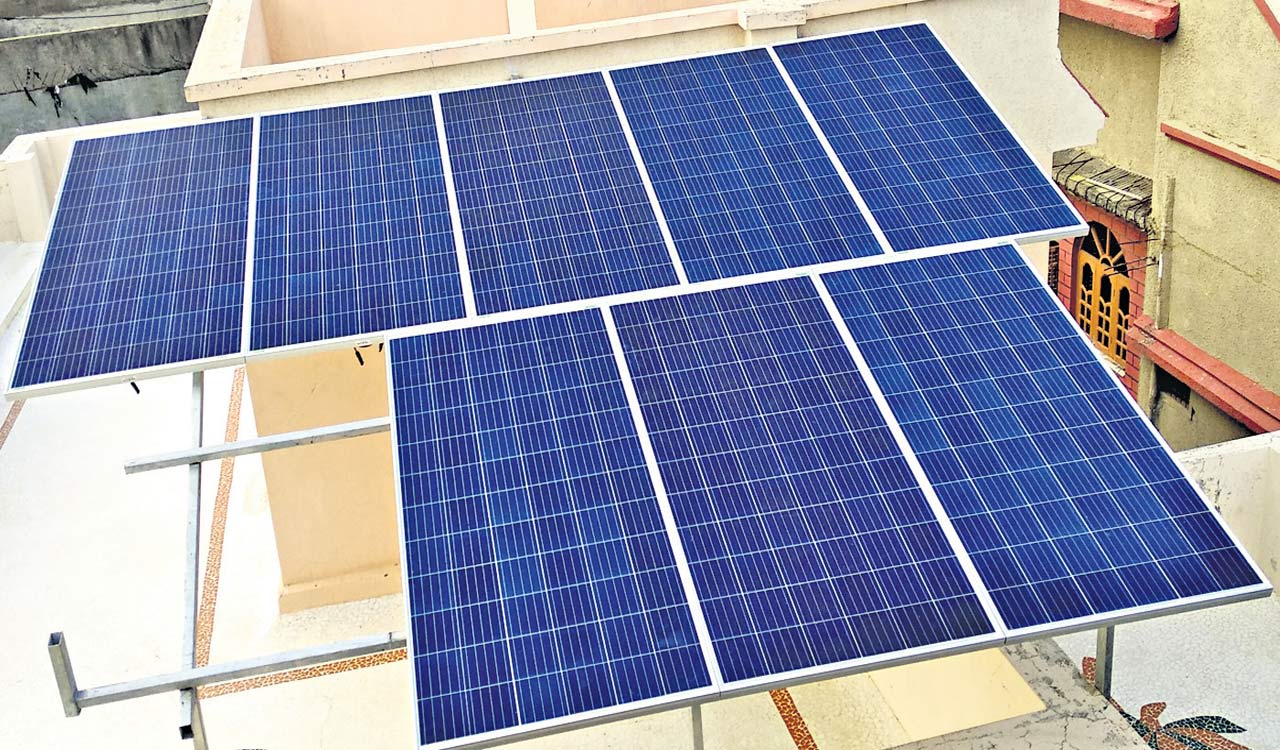
Combating climate change’s ramifications is a concentrated effort made in the sphere of renewable energy sources, particularly solar energy. Solar electricity, produced from the sun’s rays, is clean, infinite and abundant. Solar panels offer diversity in application and can be deployed on a range of scales, from households to large-scale solar farms. Solar energy systems require little maintenance, which makes them an affordable and long-term sustainable choice.
Energy Landscape
India’s growing energy consumption, which is fueled by rising incomes and improved living standards, has a strong connection to the country’s economic progress. Even with major advancements, conventional energy sources like coal and oil still account for 80% of the energy supply. Research suggest the projected purchase of automobiles, appliances and air conditioners by millions of households would exacerbate patterns of energy-intensive consumption. An OECD study revealed that an EU-sized grid would have to be built if India’s electrical infrastructure were to be significantly strengthened.
The Prime Minister emphasised that India’s economic growth has been largely driven by energy, and the inextricable relation between increased power consumption and economic activity. Recent research suggested strong energy regulations and infrastructure development are crucial, as evidenced by the fact that the industrial and commercial sectors account for more than half of India’s yearly power consumption, with households making a substantial contribution as well. Year-on-year variances in energy requirements indicate a notable increase across sectors, indicating the country’s changing energy landscape. Our energy usage has been continuously increasing over time. Efficient and sustainable energy solutions are essential to satisfy future energy demands sustainably and provide energy security and environmental protection for future generations.
Solar waste is a big concern as by 2050 it will be around 1.8 million tonnes, and rules make it more difficult to implement policies and promote business expansion
Solar energy generation is promising because of its advantageous geography and plentiful sunlight. With over 300 days of sunshine yearly and daily solar insolation levels of 4-7 kWh/square metre in most of the areas, India has a large potential for solar energy. Large-scale solar harvesting is possible because of 3,000 hours of sunshine per year, which generates about 5,000 trillion kWh of energy.
States like Maharashtra, Gujarat and Rajasthan are especially well-suited for the production of solar electricity due to high temperatures and sun radiation. India’s solar energy potential is further enhanced by advancements in solar technology and falling solar panel costs. A shift to renewable energy is being heralded by the nation’s fast-growing solar infrastructure and capability.
Current Scenario
The National Solar Mission is leading the ambitious march towards solar energy harvesting with the goal of making India a global leader in the production of renewable energy with the potential to reach 748 GW of capacity. Around 50 solar parks with a combined capacity of about 37,490 MW had been successfully commissioned as part of the Solar Park Scheme as of October 31, 2023. In addition, the Pradhan Mantri Suryoday Yojana, the solar rooftop scheme, empowers low and middle-class residents by enabling solar installations on rooftops. Of the total installed solar generating capacity of about 73.31 GW, rooftop solar installations accounted for about 11.08 GW as of December 2023. Besides, the SRISTI plan provides incentives to discoms and residential customers to hasten the installation of rooftop solar power systems by selling extra electricity back to the grid, helping homeowners generate a steady income stream in addition to lowering their electricity expenses. The recent PM-KUSUM programme encourages the use of solar energy in rural areas. Farmers gain from the installation of 10,000 MW, standalone solar farm pumps and solarisation of grid-connected agriculture pumps. Additionally, the government offers production-linked subsidies to boost domestic manufacturing and competitiveness. At the same time, the Reserve Bank of India uses priority sector lending to fund green projects. To raise $1,000 billion in investments for solar energy technology by 2030, the International Solar Alliance intends to install 1,000 GW capacity worldwide and give 1,000 million-plus people access to clean energy. Furthermore, 48 countries in Africa, the Caribbean, and the Pacific Islands receive critical support from the India-UN Development Partnership Fund, which has pledged about $150 million over a multiyear period to combat climate change through recovery projects, solar home systems, solar pumps and climate early warning systems. These extensive programmes represent India’s unwavering commitment to promoting sustainable energy solutions and tackling global issues to create a greener future.
Underlying Challenges
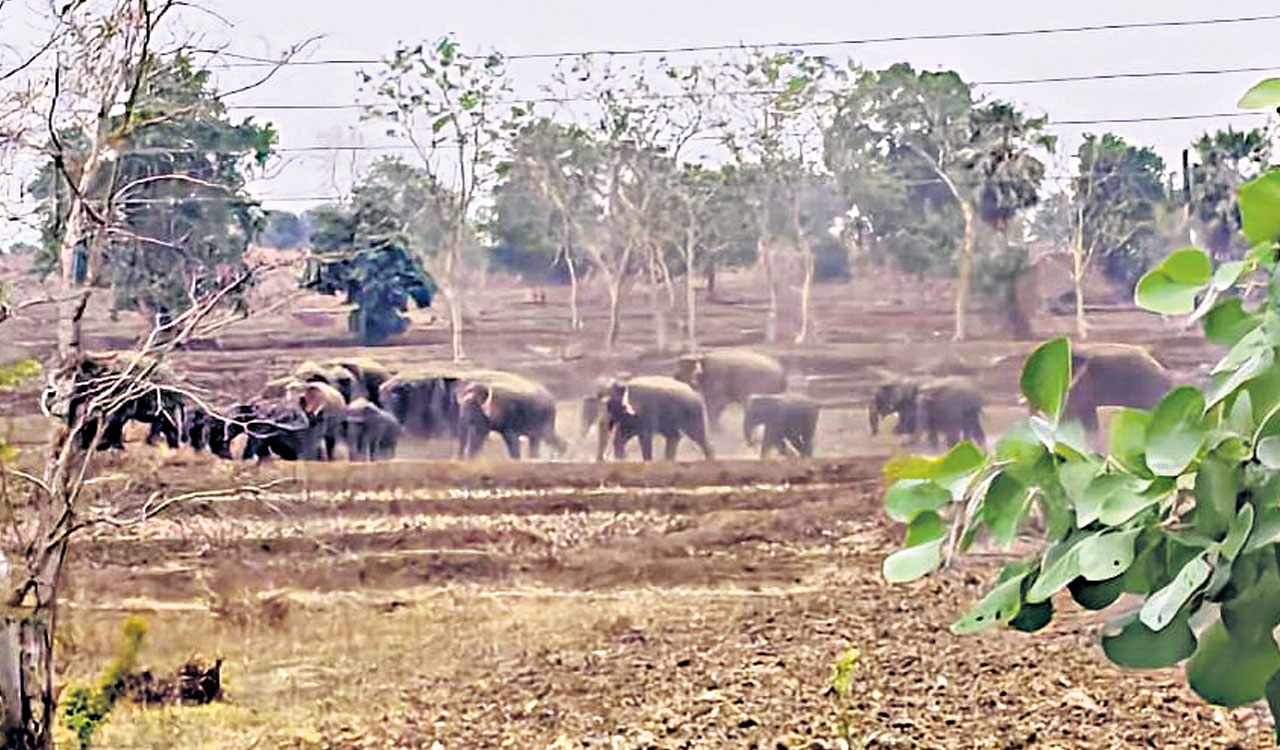
India’s solar energy industry faces numerous challenges in its progress. Solar photovoltaics (PV) is still not cost-competitive due to high production costs and large transmission and distribution (T&D) losses (estimated at 40%). Additionally, India has more expensive solar power plant production than other countries. The lack of available land restricts the amount of ideal location for installations and limited financing hampers the National Solar Mission. Reliance on imports of solar equipment, mostly from China, presents security threats as well as difficulties for local manufacturing and energy. Progression is hindered by environmental issues, including disagreements with local communities and biodiversity conservation, as well as sluggish expansion, particularly in rooftop projects.
Solar waste is another concern as by 2050, it will be around 1.8 million tonnes. The WTO and DCR (Domestic Content Requirement) rules make it more difficult to implement policies and promote business expansion. To promote sustainable growth in India’s energy landscape, addressing these challenges calls for extensive strategies and cooperative efforts by industry stakeholders and the government.

(Pragya Joshi is studying at FLAME University. Dr Barun Kumar Thakur is Associate Professor, Department of Economics, FLAME University, Pune. Views are personal)
Related News