Opinion: Rahul Gandhi’s ‘Role Model’ praise for unlawful Telangana caste survey
The Congress leader campaigned for a nationwide caste census, yet celebrates a state exercise that bypasses statutory safeguards


By Dr Vakulabharanam Krishna Mohan Rao
It was nothing short of theatrical overreach when Chief Minister A Revanth Reddy described a routine letter from Sonia Gandhi as equivalent to receiving an “Oscar,” a “Nobel Prize,” and a “lifetime achievement award.” That the letter — sent merely to explain her absence from a Delhi meeting — was paraded as a seal of national endorsement exposes both the insecurity of his political stance and his desperation to please the high command.
Also Read
This trivialisation of institutional dignity has invited nationwide ridicule, with leading Hindi and English news debates mocking the comment, reducing Telangana’s stature in the process.
Congress’ Record: A History of Ambivalence on BC Reservations
In 1953, the Kaka Kalelkar Commission made comprehensive recommendations for backward class reservations. Yet the Nehru government dismissed its report, claiming a lack of “scientific basis,” thereby stalling BC empowerment for decades.
It took the Janata Party in 1979, under BP Mandal, to constitute a new commission, which in 1980 recommended 27 per cent reservations. Even so, successive Indira and Rajiv Gandhi governments failed to act. When VP Singh finally implemented the Mandal recommendations in 1990, Rajiv Gandhi, then Leader of the Opposition, launched a scathing attack in Parliament.
His words still echo: “The manner in which you have implemented the Mandal Commission… is breaking up my country… Even at this late hour, there is time to pull the country back from this caste division.” He further questioned whether India still aspired to a “casteless society.” These were not stray remarks but an articulation of the Congress leadership’s deep discomfort with Mandal.
One rare exception came in 2006 when Human Resource Development Minister Arjun Singh, with great political courage, introduced 27 per cent OBC reservations in central higher education institutions under UPA-I. While hailed as a landmark, the move alienated him from the party high command.
2011 SECC: The Lost Opportunity
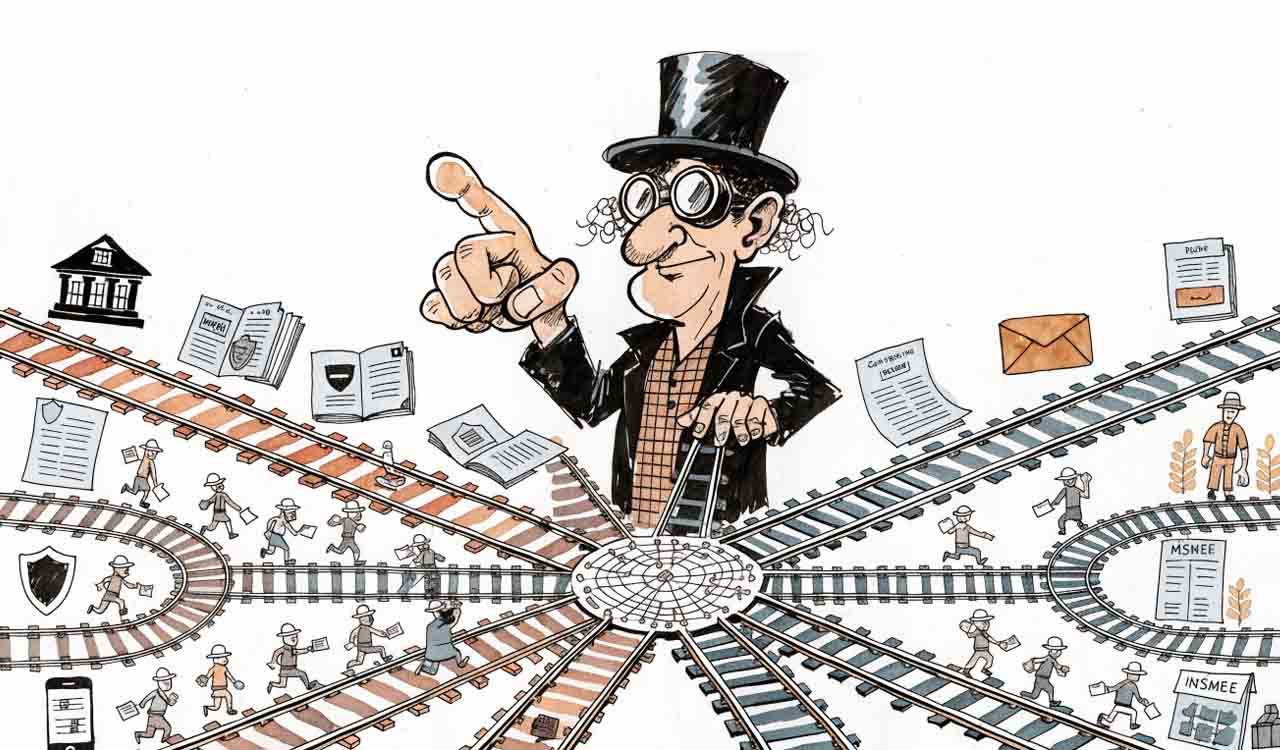
The current national confusion over caste enumeration stems largely from the ill-fated 2011 Socio-Economic and Caste Census (SECC). Conducted through the Rural Development and Urban Development Ministries rather than under the Census Act, 1948, it lacked legal sanctity. Despite warnings from the Census Commissioner and several experts that caste enumeration must be conducted by the Registrar General under the Census framework, the UPA-II government chose a shortcut.
If 42 per cent BC reservations in Telangana are to endure, the state must correct course: ground its actions in law, data, and democratic process
Nearly Rs 5,000 crore later, the exercise produced unreliable data — rendered practically unusable. Had it been carried out within the statutory census process, India today would have had credible, legally admissible data to shape policy.
Caste Census Notifications: What the Law Says
In 2019, the Centre issued Gazette Notification SO 1455(E), providing for caste data collection during the 2021 Census. Covid-19 stalled the exercise. In December 2024, a new notification (SO 2681(E)) superseded the earlier one, scheduling the census for October 2026 in select States and March 2027 nationwide. Crucially, it explicitly includes social, educational, and economic details — thereby embedding caste enumeration into the process.
Far from eliminating caste data, this notification gives it legal footing. Rahul Gandhi’s criticism that no caste census exists overlooks this statutory reality. Yet, paradoxically, he hails Telangana’s SEEEPC survey — an exercise with no such legal basis — as a “model for the nation.”
SEEEPC: Grand Name, Weak Method
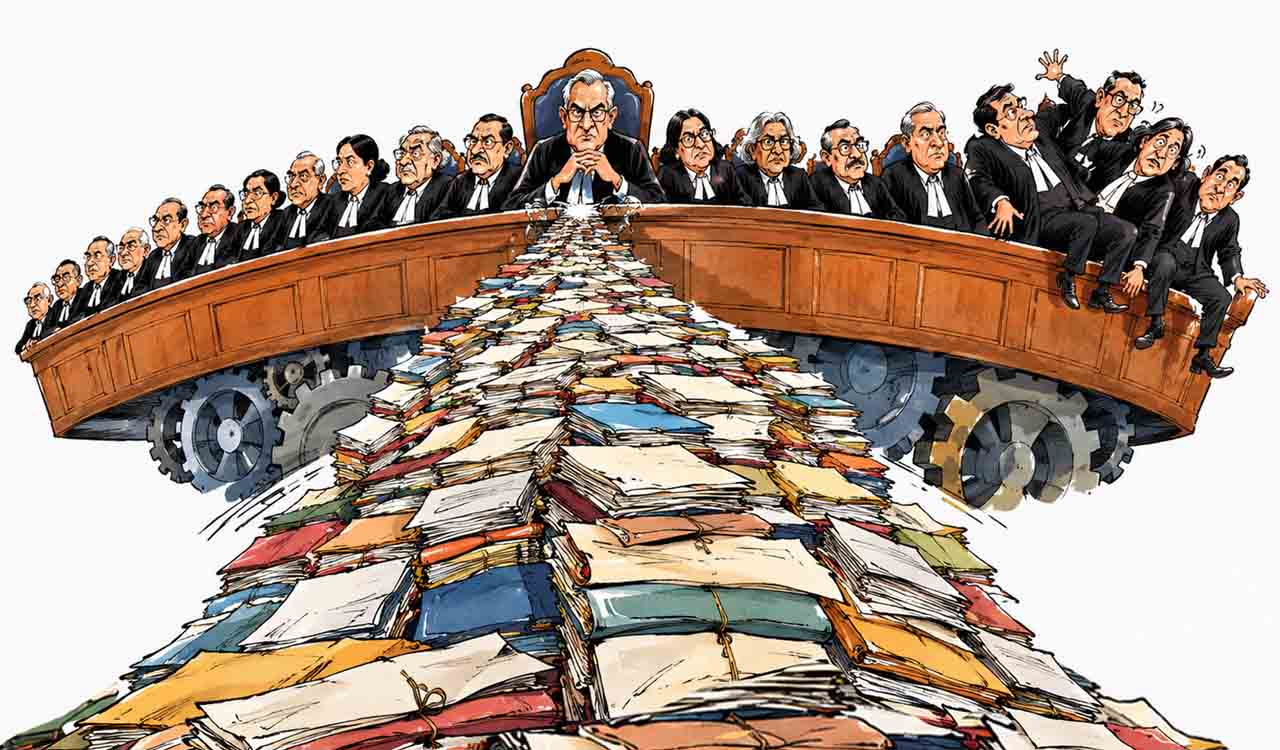
The much-touted Socio‑Economic, Education, Employment, Political Caste (SEEEPC) survey is no more than an administrative exercise. Conducted without invoking Article 340 or the Commissions of Inquiry Act, it lacked the standing of an independent statutory commission. Though a working group chaired by Justice B Sudarshan Reddy reviewed the data, its role was confined to a government order; its report was never tabled in the Assembly or subjected to legislative debate. In short, a survey with an impressive title but hollow institutional authority.
Adding to these flaws, the government rushed through an ordinance under Article 213 to implement 42 per cent BC reservations in Panchayati Raj institutions — even as related Bills remain pending with the President. Ordinances are meant for emergencies, not to bypass democratic debate or to appease party bosses under judicial deadlines. This misuse undermines constitutional propriety.
Lessons from TN, United AP
Contrast this with Tamil Nadu, which secured its 69 per cent reservations through the Ambashankar Commission and placed them in the Ninth Schedule, giving them constitutional immunity.
Similarly, undivided Andhra Pradesh successfully defended 4 per cent BC-E reservations in the Supreme Court, drawing on a robust report by PS Krishnan. Both examples underscore that lasting social justice requires transparent, legally sound processes— not political theatrics.
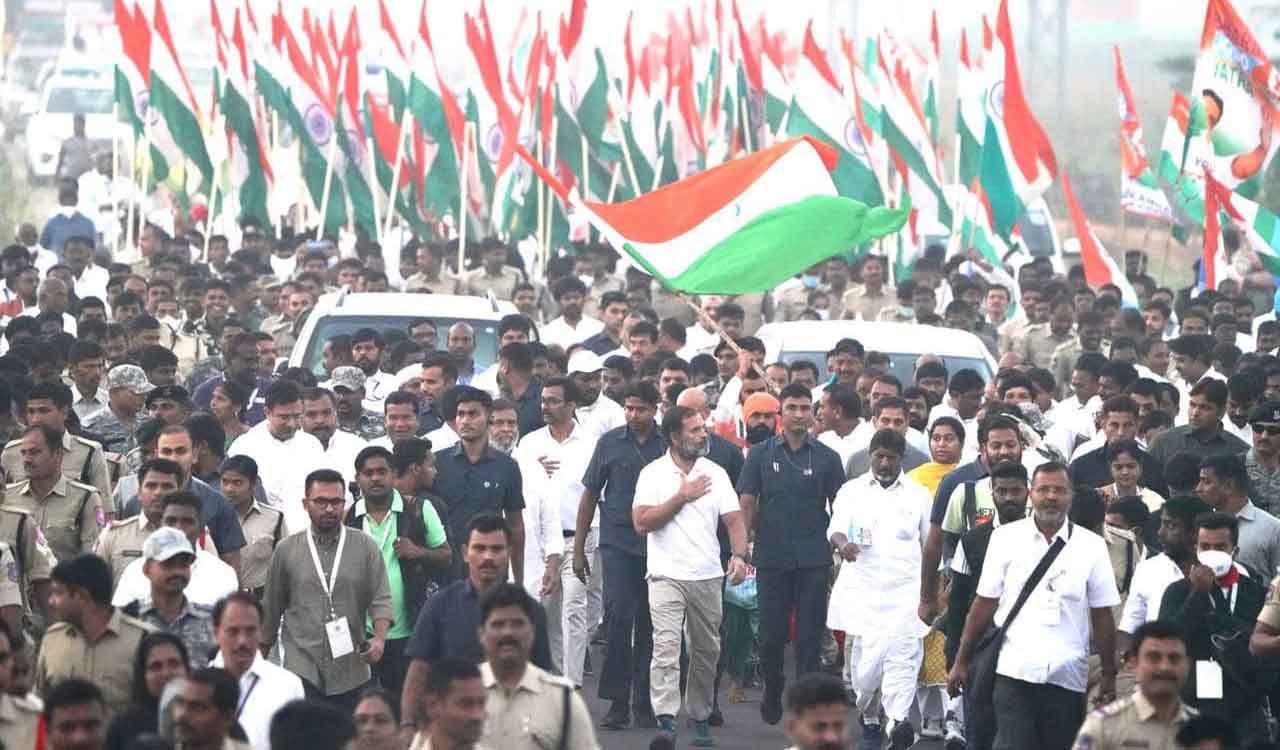
Rahul Gandhi, who walked across the country championing social justice in his Bharat Jodo and Nyay Jodo yatras, has the moral capital to lead this debate. But his uncritical endorsement of Telangana’s opaque SEEEPC survey raises troubling questions. How can a leader who campaigned for a nationwide caste census celebrate a state exercise that bypasses statutory safeguards?
The Way Forward
True justice for BCs demands more than slogans or hurried ordinances. It requires independent statutory commissions under Article 340, scientific methodologies, public participation, and legislation debated and passed by assemblies.
The Mandal Commission demonstrated how evidence-based processes can institutionalise social justice.
Tamil Nadu showed how constitutional protection can shield it. Telangana, by contrast, has chosen non-transparent surveys, shallow ordinances, and political spectacle — a path unlikely to withstand judicial scrutiny.
If 42 per cent BC reservations in Telangana are to endure, the state must correct course: ground its actions in law, data, and democratic process. Until then, these measures remain symbolic promises rather than durable justice.
(The author is former Chairman, Telangana State Backward Classes Commission)

Related News