Opinion: Why India should consider EU model for delimitation
EU’s degressive proportionality allows India to acknowledge population growth while preserving the federal character of the Union, ensuring fair Lok Sabha representation for both populous and smaller States


By Dr Ramesh Chennamaneni
The crucial Constitution (131st Amendment) Bill to be placed by the ruling BJP in Parliament — which proposes increasing Lok Sabha seats to a maximum of 850 through delimitation to enable 33% reservation for women based on the 2011 Census from the 2029 elections — is being controversially debated in India.
Also Read
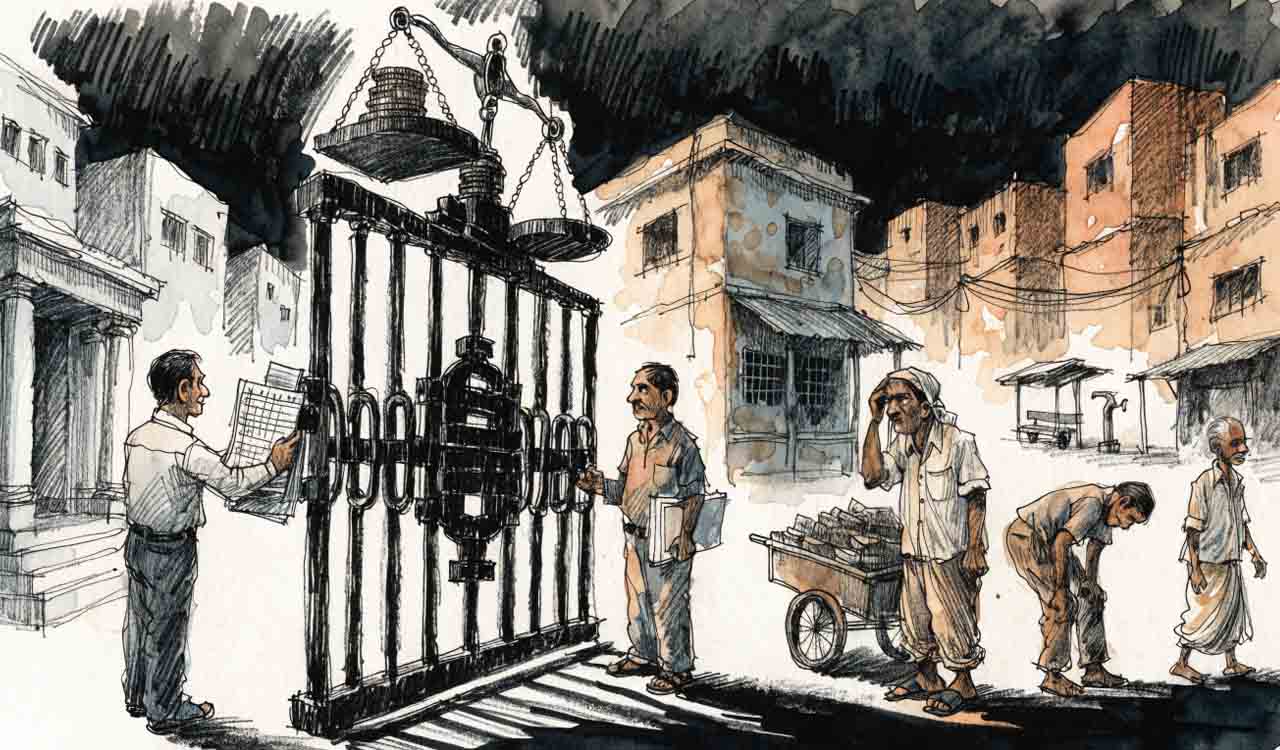
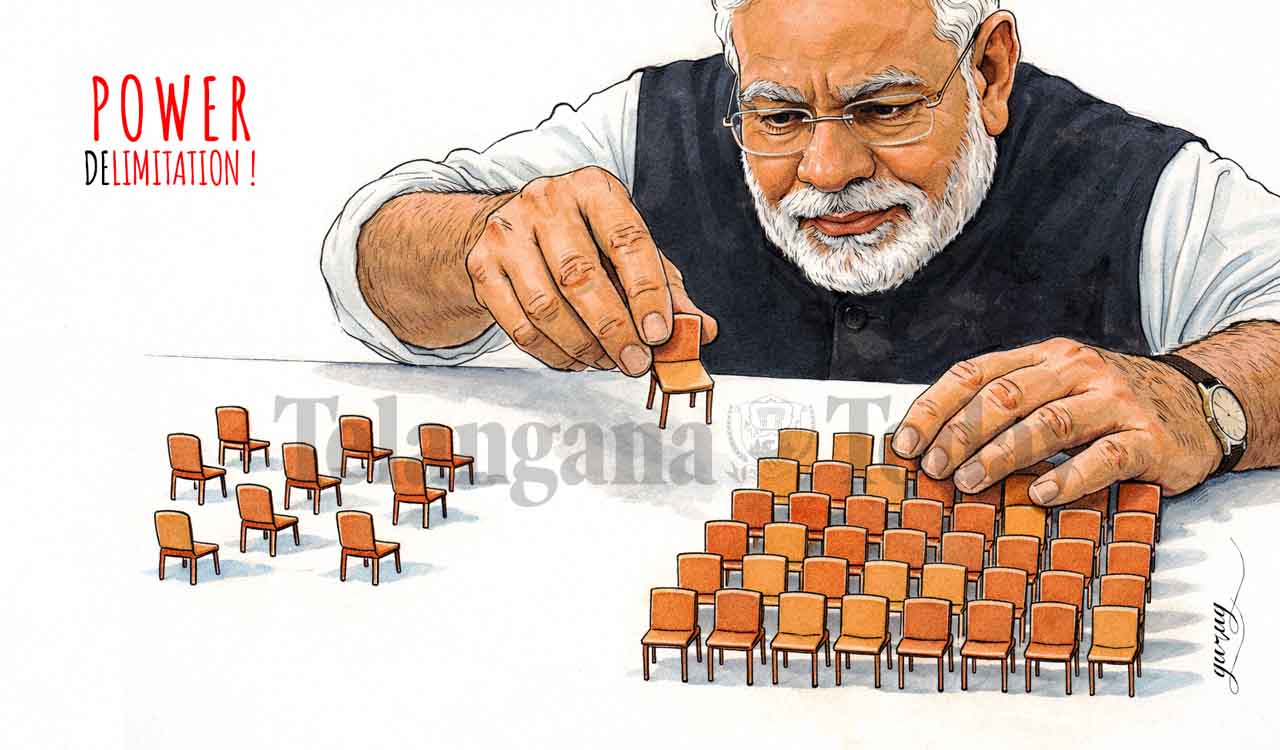
Though there is no opposition in principle to reserving 33% of seats for women, the main issue concerns the principle to be followed during the delimitation exercise. Nearly all opposition parties, most importantly those from the southern States, are opposing this exercise. For example, high-population States (eg, Uttar Pradesh) vs lower-growth, high-development States (eg Kerala, Telangana, Tamil Nadu). A strict “one person, one vote” approach based on 2021/2026 census data would significantly reduce the relative political weight of southern States.
Opposition parties, including the Congress, have lashed out at the Centre over attempts to “bulldoze” the Bills through Parliament in a “special session”. Leaders of the I.N.D.I.A bloc have decided to oppose the crucial Bill. BRS working president KT Rama Rao warned the Centre that any move reducing southern States’ representation would trigger widespread protests and opposed delimitation based solely on population.
Describing the proposed amendment as a “conspiracy” and a “black law”, DMK president and Tamil Nadu Chief Minister MK Stalin called for widespread protests. Parties like the Samajwadi Party and the Bahujan Samaj Party have argued that without accurate caste data, the delimitation and reservation process will be flawed and “anti-OBC”.
Interestingly, Congress leader Shashi Tharoor has urged Prime Minister Narendra Modi to hold wider consultations with the States and parties on delimitation, proposing the European Union’s (EU) “degressive proportionality” model to address concerns of southern States over representation. Tharoor also argued that the upcoming delimitation exercise would punish southern States for successfully implementing population control measures. It is, therefore, useful to understand the EU model and draw conclusions on how far it could help address this issue.
The European Parliament Model
Europe balances democracy and federal equity through a carefully designed formula enshrined in law under the Treaty of Lisbon. This degressive proportionality model is a compromise between the democratic principle of “one person, one vote” and the federal principle of “state equality”.
Under it, the European Parliament is built on three constraints that together preserve both democratic legitimacy and federal balance:
- A minimum threshold: No member state can have fewer than six seats.
- A maximum ceiling: No state can have more than 96 seats.
- An inverse ratio: The larger a state’s population, the more citizens each representative must correspond to.
This means that while Germany has far more Members of the European Parliament (MEPs) than Malta, a Maltese MEP represents roughly 80,000 citizens, while a German MP represents around 8,50,000. The system ensures that the “Big Four” — Germany, France, Italy, and Spain — cannot dominate Parliament simply by virtue of population. Smaller States retain a meaningful voice, preserving the federal spirit of the Union.
The model allows for an increase in seats for high-growth States (recognising their population size) while maintaining a ‘floor’ or minimum seat allocation for smaller States
How far is EU Model applicable to India?
India faces a dilemma similar to that of the EU: high-population States (eg, Uttar Pradesh) vs lower-growth, high-development States (eg, Kerala, Telangana, Tamil Nadu).
Degressive proportionality could offer a middle path:
- Protecting smaller/stable States: It would prevent southern States from feeling “punished” for their developmental successes, ensuring they maintain a relevant political voice despite slower population growth.
- Balancing population and unity: It allows for an increase in seats for high-growth States (recognising their population size) while maintaining a “floor” or minimum seat allocation for smaller States (such as those in the Northeast).
- Reducing regional mistrust: By adopting this model, the central government could avoid a “hasty delimitation” process that risks deepening the regional divide and instead propose a “weighted” democratic mandate.
- Example model: The proposed 2026 amendment to increase the Lok Sabha from 543 to 850 seats could incorporate a degressive structure that increases representation for faster-growing States while ensuring no State loses its existing representation, thus maintaining parity.
This approach could strengthen the following key present and future challenges faced by the country:
- Focus on federalism: Unlike pure proportional representation, this model strengthens federal stability, protecting regional interests and preventing excessive political centralisation.
- Encourages cooperation: States can work together, as seat allocation is not a “zero-sum game” solely based on population. This is similar to the EU’s emphasis on cohesion.
- Modernising representation: It allows India to modernise the Lok Sabha (which has not been fully re-delimited since 1976) without creating a massive democratic crisis between different geographical regions.
In essence, degressive proportionality allows India to acknowledge population growth while preserving the federal character of the Union, ensuring that the Lok Sabha remains a representative body for all States, not just the most populous ones.
It is, therefore, essential that this proposal be debated thoroughly by all parties so as to come to a consensus on this crucial issue pertaining to the democratic functioning of Parliament.
(The author is a former Advisor to the Government of Telangana)

Related News