Revanth Reddy’s jibe on KTR exposes past neglect of education in Telangana
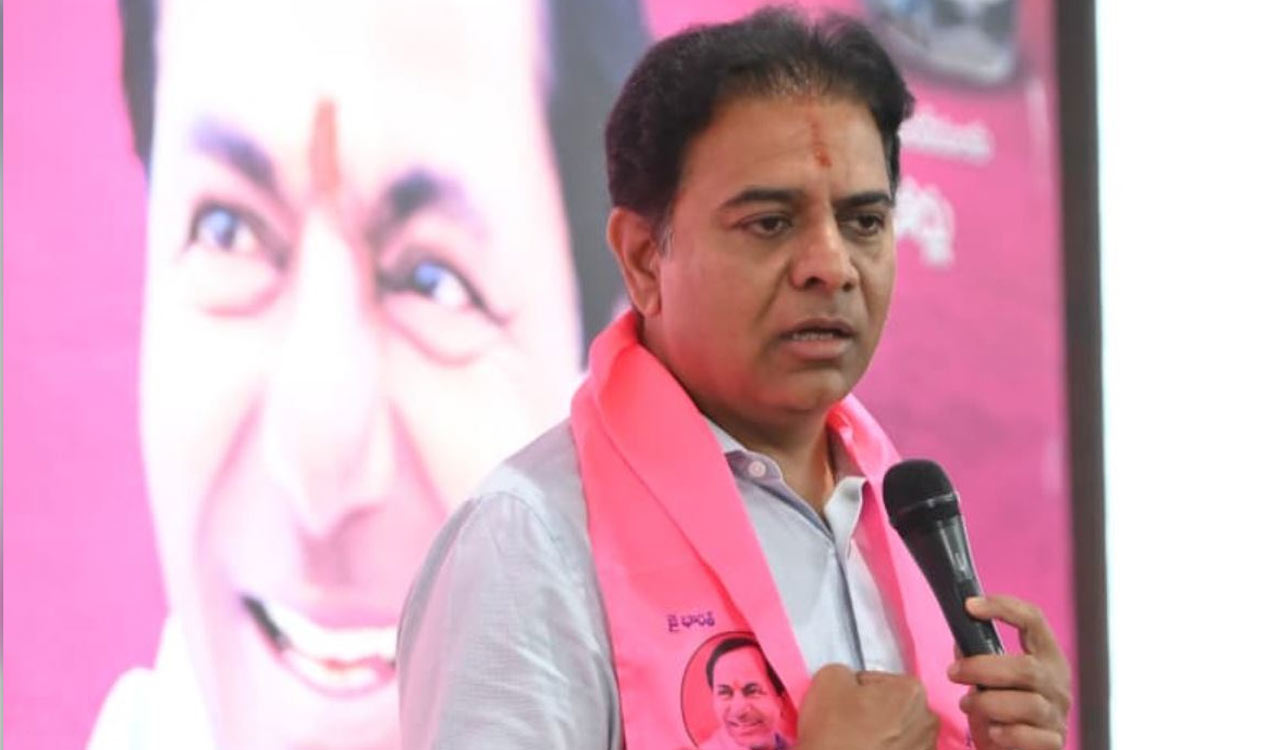
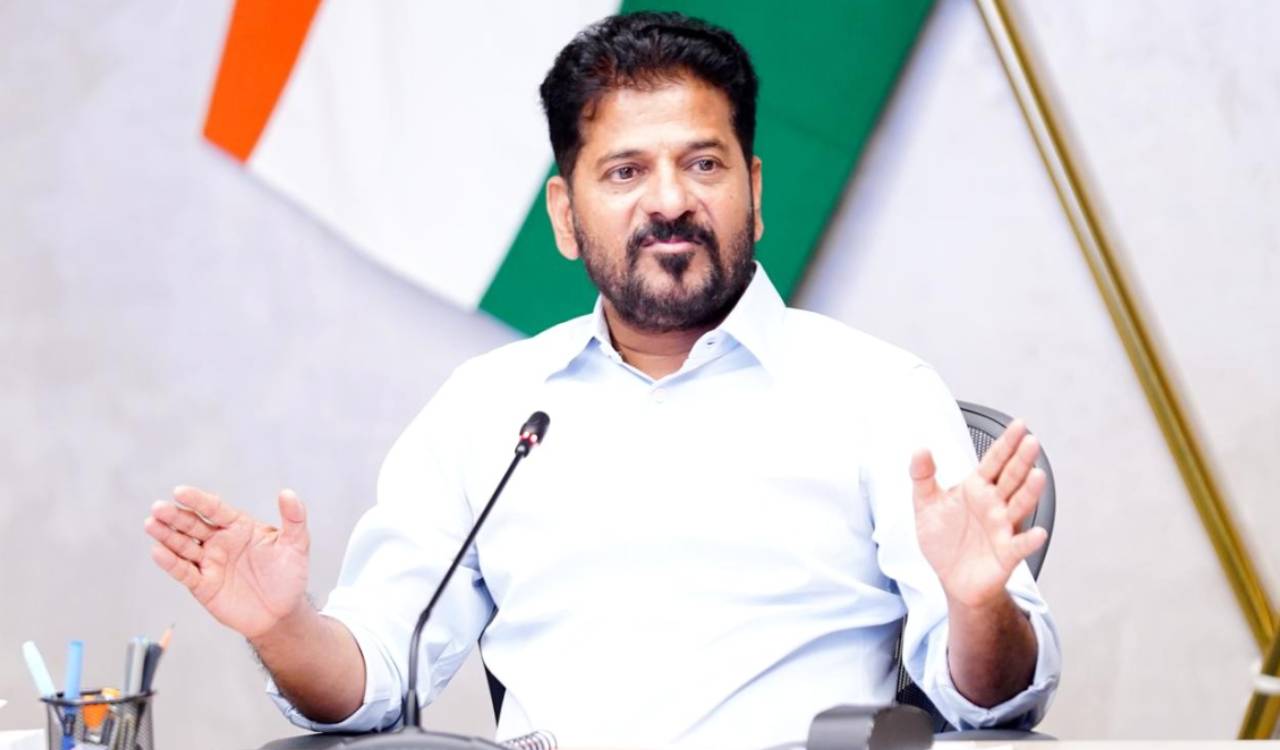
Chief Minister A Revanth Reddy’s remarks on KT Rama Rao’s education have reignited debate on the neglect of higher education in Telangana before bifurcation, when students were forced to migrate to Andhra districts due to weak government institutions.
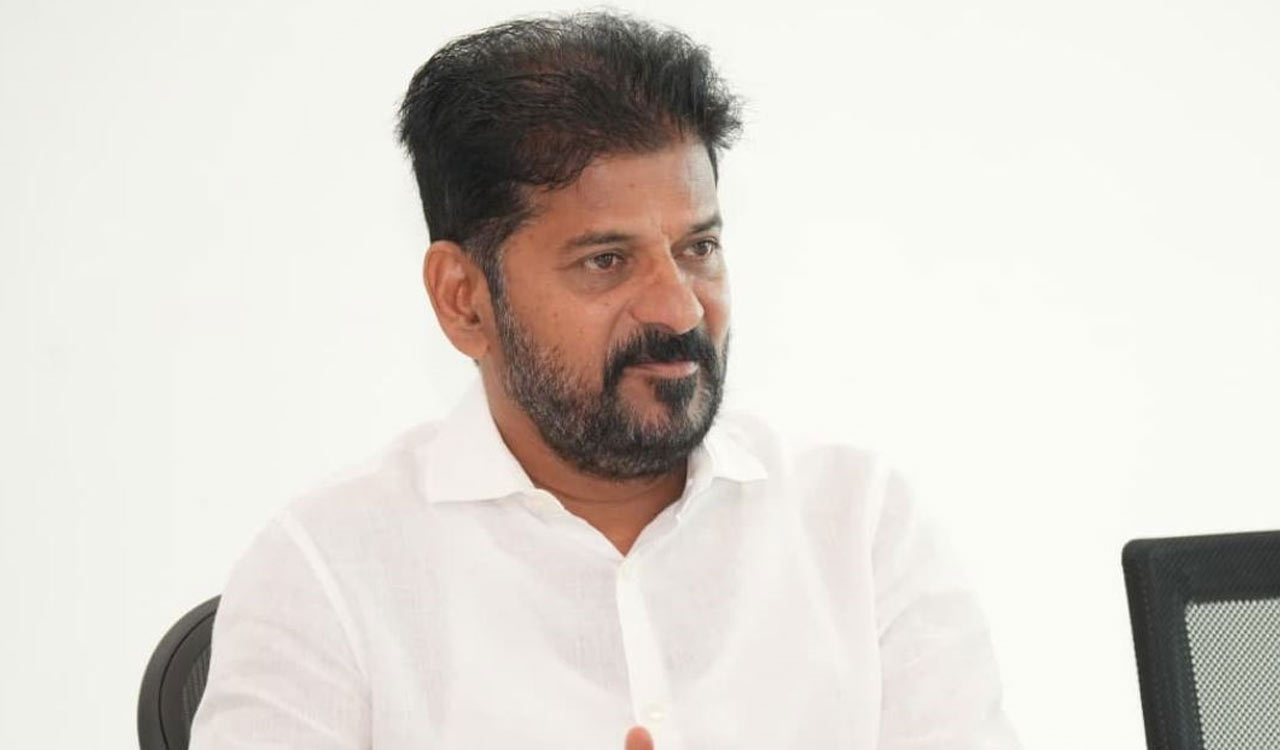


Hyderabad: Chief Minister A Revanth Reddy’s repeated jibes at BRS working president KT Rama Rao over studying in Guntur have unintentionally exposed a deeper truth about the neglect of higher education in the Telangana region during successive Congress and TDP regimes in undivided Andhra Pradesh.
By highlighting Rama Rao’s education in Andhra, the Chief Minister has drawn attention to a period when thousands of students from Telangana had no option but to migrate to Andhra districts for intermediate and professional courses. This was not by choice but by compulsion.
Government-run institutions in Telangana were systematically weakened during decades of Congress and TDP rule prior to state bifurcation in 2014. Quality declined, infrastructure stagnated and faculty strength eroded. At the same time, private colleges in the Andhra region flourished with active patronage.
Students from backward districts such as Mahabubnagar and Nalgonda routinely travelled far beyond Hyderabad to study in private colleges in Guntur and surrounding areas. These centres became hubs for coaching aimed at cracking AIEEE, now JEE, and AP EAMCET, now TG EAPCET.
While private institutions run by businessmen disguised as educationists from Andhra Pradesh expanded rapidly, government colleges in Telangana were ignored. Experienced faculty in Telangana were lured away with higher salaries. Local managements lacked the resources to compete, directly affecting students.
Revanth Reddy’s remarks, intended as a political attack, have, however, reopened this uncomfortable chapter. His comments only helped underline the stark contrast between educational opportunities in Andhra and the sustained neglect faced by Telangana students before statehood.
The situation changed after 2014 when the BRS formed the government in Telangana following bifurcation of the State. Education policy saw a decisive shift, backed by sustained execution by the BRS government.
Before state formation, Telangana had 293 welfare residential institutions. Over the next decade, this number rose to 1,022, covering SC, ST, BC and minority students.
Government welfare schools and colleges were transformed into sought-after institutions. Admissions rose sharply, and parents began seeking recommendations from public representatives to secure seats for their children.
Telangana, once a feeder of students to Andhra colleges, began producing candidates for IITs and other premier institutions from its own government-run campuses. Success in JEE and NEET from welfare institutions has become routine.
This transformation did not occur overnight. It was the result of consistent policy, planning and funding under the BRS government.
Revanth Reddy, who represented the Telugu Desam Party during the undivided State, has inadvertently highlighted the injustice done to Telangana’s education sector by successive Congress and TDP governments, even as he overlooks their role in that decline.

Related News