Study predicts optimal use of immunosuppressant drug for kidney transplant patients
Thiruvananthapuram: In a path-breaking genetic study that could significantly reduce the risk of organ rejection and other medical complications, scientists of the Rajiv Gandhi Centre for Biotechnology (RGCB) here have formulated a method to predict the optimal dose of an immunosuppressant drug given to kidney transplant patients. The dose prediction study was focused on the […]


Thiruvananthapuram: In a path-breaking genetic study that could significantly reduce the risk of organ rejection and other medical complications, scientists of the Rajiv Gandhi Centre for Biotechnology (RGCB) here have formulated a method to predict the optimal dose of an immunosuppressant drug given to kidney transplant patients.
The dose prediction study was focused on the immunosuppressant drug tacrolimus, which is given to a kidney, heart or liver transplant patient to lower the body’s immunity and thereby considerably reducing the chances of organ rejection.
For maximum effectiveness, the drug level has to be maintained at an optimum concentration in the blood, especially during the initial period after transplantation.
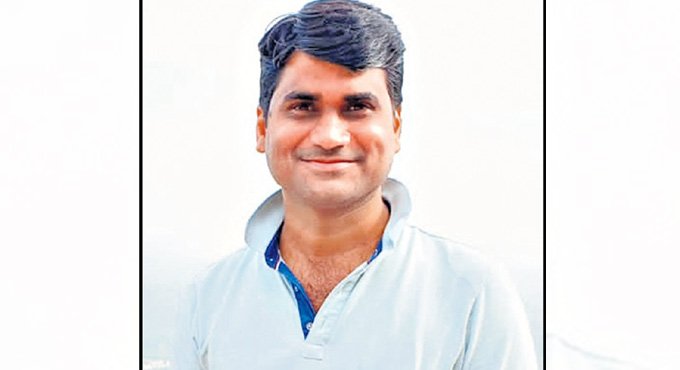
Radhakrishnan Nair and ALekshmy Srinivas of the Division of Laboratory Medicine and Molecular Diagnostics, RGCB, conducted the pharmacogenetic study involving patients who have undergone kidney transplantation at the Government Medical College, Thiruvananthapuram, and those who received tacrolimus as their immunosuppressant.
They studied the effect of the genes and their variants which are involved in determining the drug concentrations in patients’ blood.
“We developed an equation/technique that can be used by nephrologists to predict the starting dose of tacrolimus, which has to be administered to patients to attain optimal drug level in the initial period after the surgery, based on their genetic profiles,” said Nair.
This variation, along with their body weight, can be used to calculate the optimal starting drug dose for the patient. It will help the patients achieve optimal Tacrolimus levels post-transplantation and thus prevent the adverse effects due to overdose and rejection.
At present, the dose is calculated based on the patient’s body weight. This approach can lead to a lot of variations in the drug levels.
“This equation is specific to patients from Kerala who undergo kidney transplantation. The molecular-based method uses testing the DNA of patients for a specific variation, before transplantation surgery,” said Lekshmy Srinivas.
To attain this, blood levels have to be closely monitored and drug doses adjusted, as lower levels can lead to rejection of the transplanted kidney, while higher levels can lead to undesired medical complications. Not only is this trial-and-error method of dose adjustment time-consuming and costly, but it also causes a lot of complications among the patients
“Though there have been similar studies in other populations before, the predictive value of pharmacogenetic factors identified were insufficient and not much of clinical use. The new development would help prevent the adverse effects of overdose and thereby help a lot of patients,” said Chandrabhas Narayana, director, RGCB.
The pioneering study was conducted in collaboration with Noble Gracious of the Department of Nephrology, Government Medical College, Thiruvananthapuram.
The group also discovered the genetic variants which increase the chances of rejection and adverse effects associated with the drug.
The research, which has the potential to significantly save lives of kidney transplant patients, was jointly funded by the Science and Engineering Research Board (SERB), and RGCB.

Related News