Takeaway coffee cups release thousands of microplastic particles
New Australian research finds hot takeaway coffee cups shed microplastics, especially all-plastic cups. Heat, not soaking time, drives release, with millions of particles possible. Material choice and cooler drinks can reduce exposure, globally consumed daily by billions of people worldwide
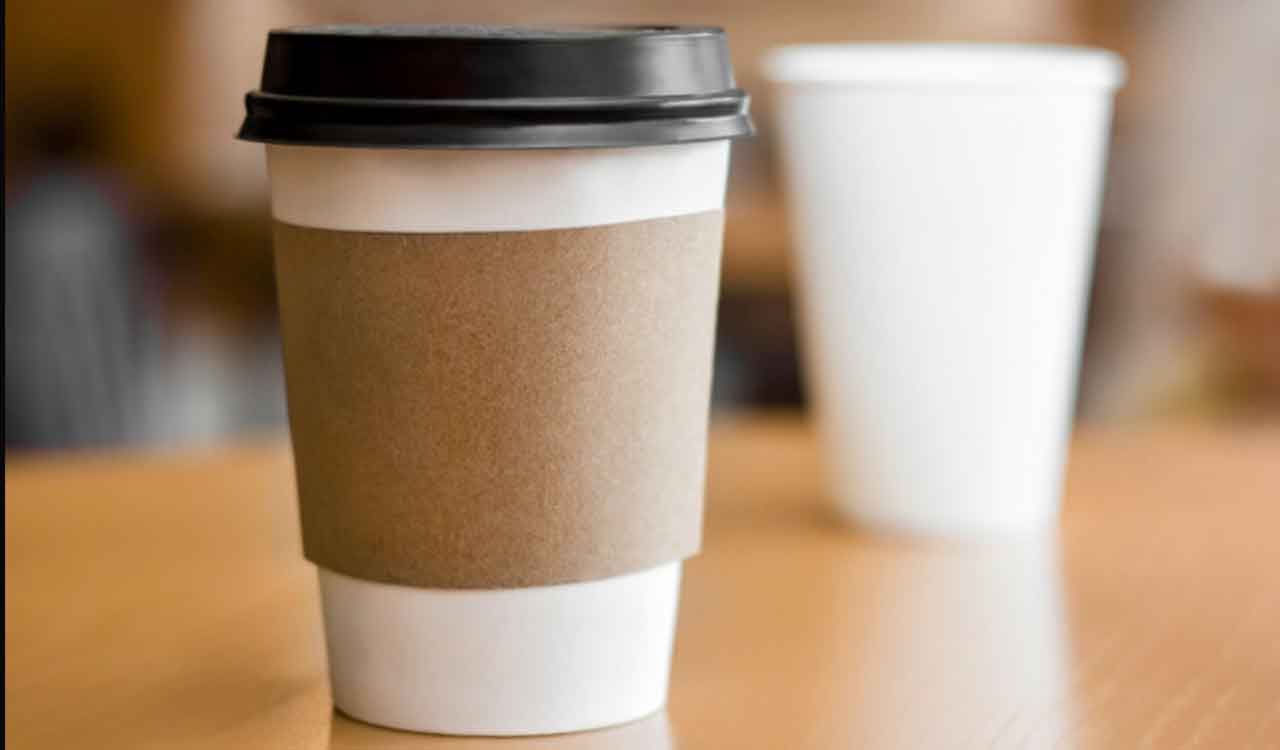


Melbourne: It’s 7:45am. You grab a takeaway coffee from your local cafe, wrap your hands around the warm cup, take a sip, and head to the office.
To most of us, that cup feels harmless – just a convenient tool for caffeine delivery. However, if that cup is made of plastic, or has a thin plastic lining, there is a high chance it’s shedding thousands of tiny plastic fragments directly into your drink.
In Australia alone, we use a staggering 1.45 billion single-use hot beverage cups every year, along with roughly 890 million plastic lids. Globally, that number swells to an estimated 500 billion cups annually.
In new research I coauthored, published in Journal of Hazardous Materials: Plastics, we looked at how these cups behave when they get hot.
The message is clear: heat is a primary driver of microplastic release, and the material of your cup matters more than you might think.
What are microplastics?
Microplastics are fragments of plastic ranging from about 1 micrometre to 5 millimetres in size – roughly from a speck of dust to the size of a sesame seed.
They can be created when larger plastic items break down, or they can be released directly from products during normal use. These particles end up in our environment, our food, and eventually, our bodies.
Currently, we don’t have conclusive evidence on just how much of that microplastic remains in our bodies. Studies on this subject are highly prone to contamination and it’s really difficult to accurately measure the levels of such tiny particles in human tissue.
Furthermore, scientists are still piecing together what microplastics might mean for human health in the long term. More research is urgently needed, but in the meantime, it’s good to be aware of potential microplastic sources in our daily lives.
Temperature matters
My colleagues and I first conducted a meta-analysis – a statistical synthesis of existing research – analysing data from 30 peer-reviewed studies.
We looked at how common plastics such as polyethylene and polypropylene behave under different conditions. One factor stood out above all others: temperature.
As the temperature of the liquid inside a container increases, the release of microplastics generally increases too. In the studies we reviewed, reported releases ranged from a few hundred particles to more than 8 million particles per litre, depending on the material and study design.
Interestingly, “soaking time” – how long the drink sits in the cup – was not a consistent driver. This suggests that leaving our drink in a plastic cup for a long time isn’t as important as the initial temperature of the liquid when it first hits the plastic.
Testing 400 coffee cups
To see how this works in the real world, we collected 400 coffee cups of two major types around Brisbane: plastic cups made of polyethylene and plastic-lined paper cups which look like paper but have a thin plastic coating inside.
We tested them at 5°C (iced coffee temperature) and 60°C (hot coffee temperature). While both types released microplastics, the results revealed two major trends.
First, material matters. The paper cups with plastic linings released fewer microplastics than the all-plastic cups at both temperatures.
Second, heat triggers a significant release. For the all-plastic cups, switching from cold to hot water increased the microplastic release by about 33%. If someone drinks 300 millilitres of coffee in a cup made of polyethylene per day, they could ingest 363,000 pieces of microplastic particles every year.
But why exactly does heat matter so much? Using high-resolution imaging, we examined the inner walls of these cups and found that all-plastic cups had much rougher surfaces – full of “peaks and valleys” – compared to the plastic-lined paper cups.
This rougher texture makes it easier for particles to break away. Heat accelerates this process by softening the plastic and causing it to expand and contract, creating more surface irregularities that eventually fragment into our drink.
Managing risks
We don’t have to give up our morning takeaway habit, but we can change how we approach it to manage the risk.
For hot drinks, the best option is to use a reusable cup made of stainless steel, ceramic, or glass, as these materials do not shed microplastics. If we must use a disposable cup, our research suggests that plastic-lined paper cups generally shed fewer particles than pure plastic cups, though neither is microplastic free.
Finally, since heat is the factor that triggers plastic release, avoid putting boiling liquids directly into plastic-lined containers. Telling the barista to make our coffee slightly cooler before it hits the cup can reduce the physical stress on the plastic lining and lower the overall exposure.
By understanding how heat and material choice interact, we can design better products and make better choices for our daily caffeine fix.

Related News