Telangana Assembly clears CURE Bill amid MLAs’ concerns
The Telangana Legislative Assembly on Saturday passed the Core Urban Region (Integrated Governance) Bill, 2026, capping the property tax hike at 10 per cent after Chief Minister A Revanth Reddy’s intervention.
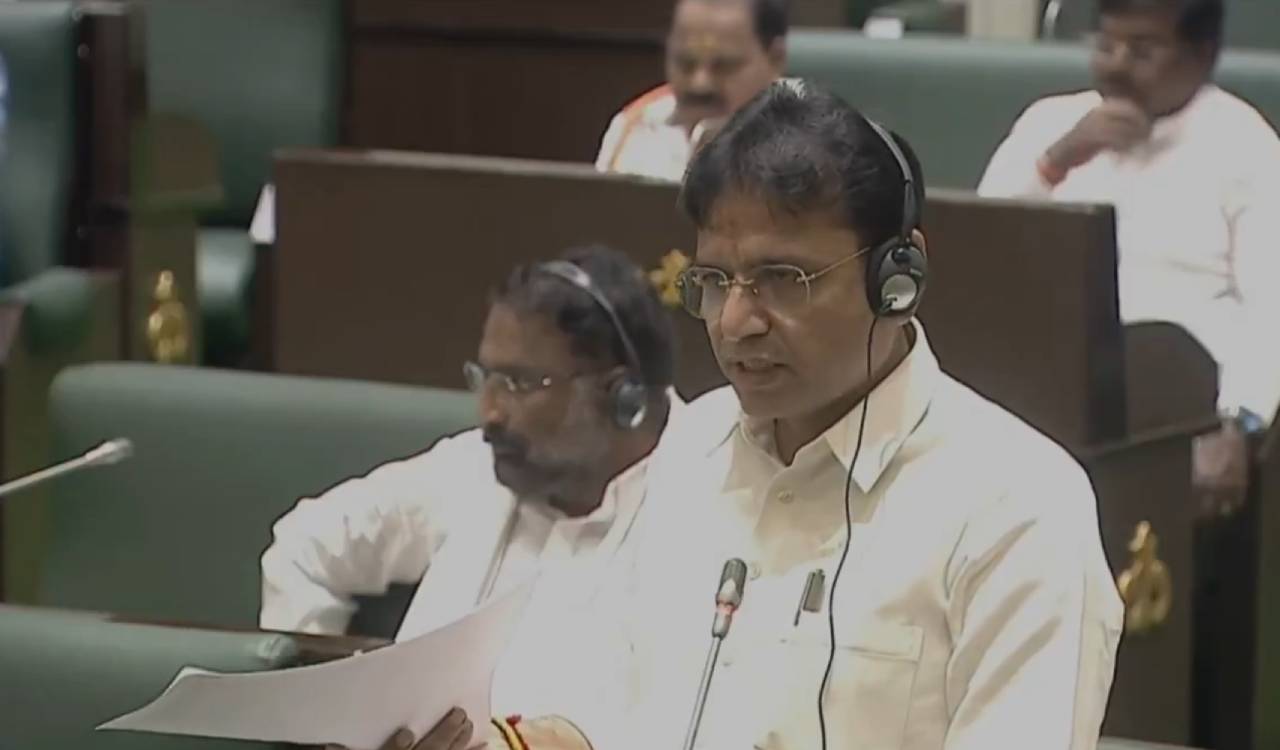


Hyderabad: Telangana government has decided to increase property tax by 10 per cent with the passage of the Core Urban Region (Integrated Governance) Bill, 2026 in the Legislative Assembly on Saturday.
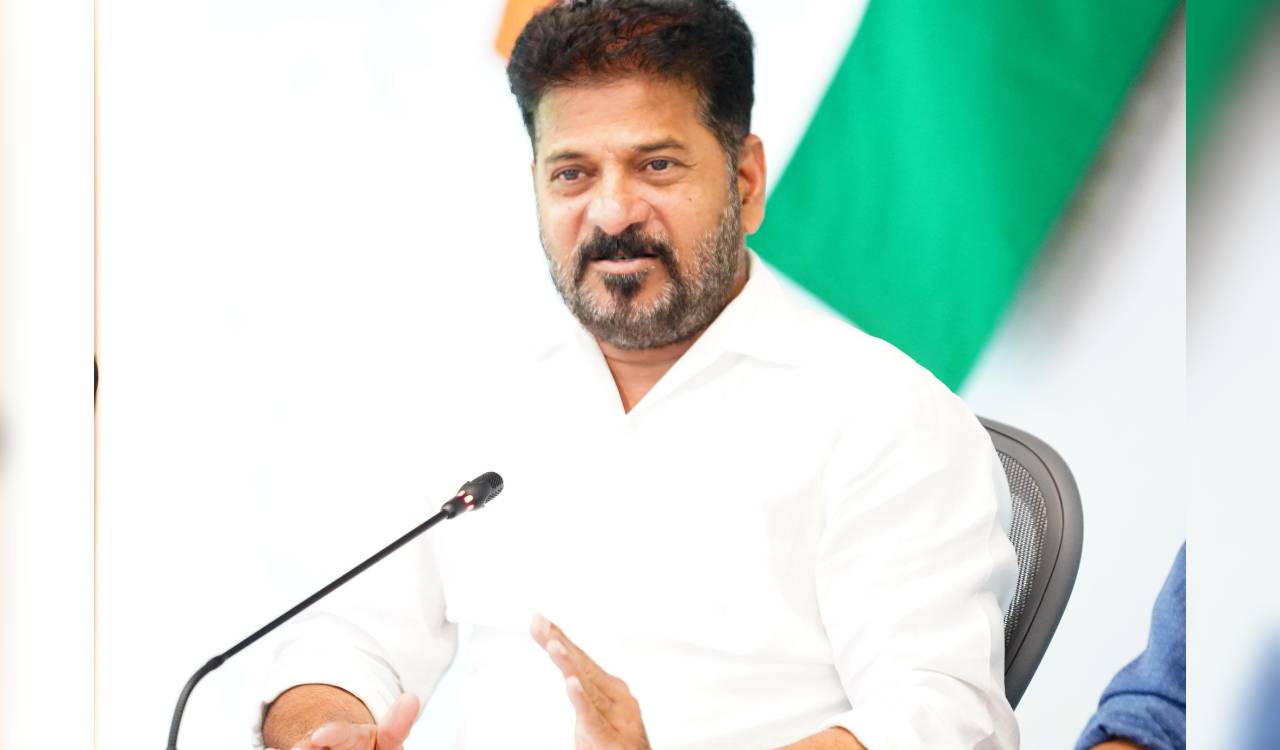
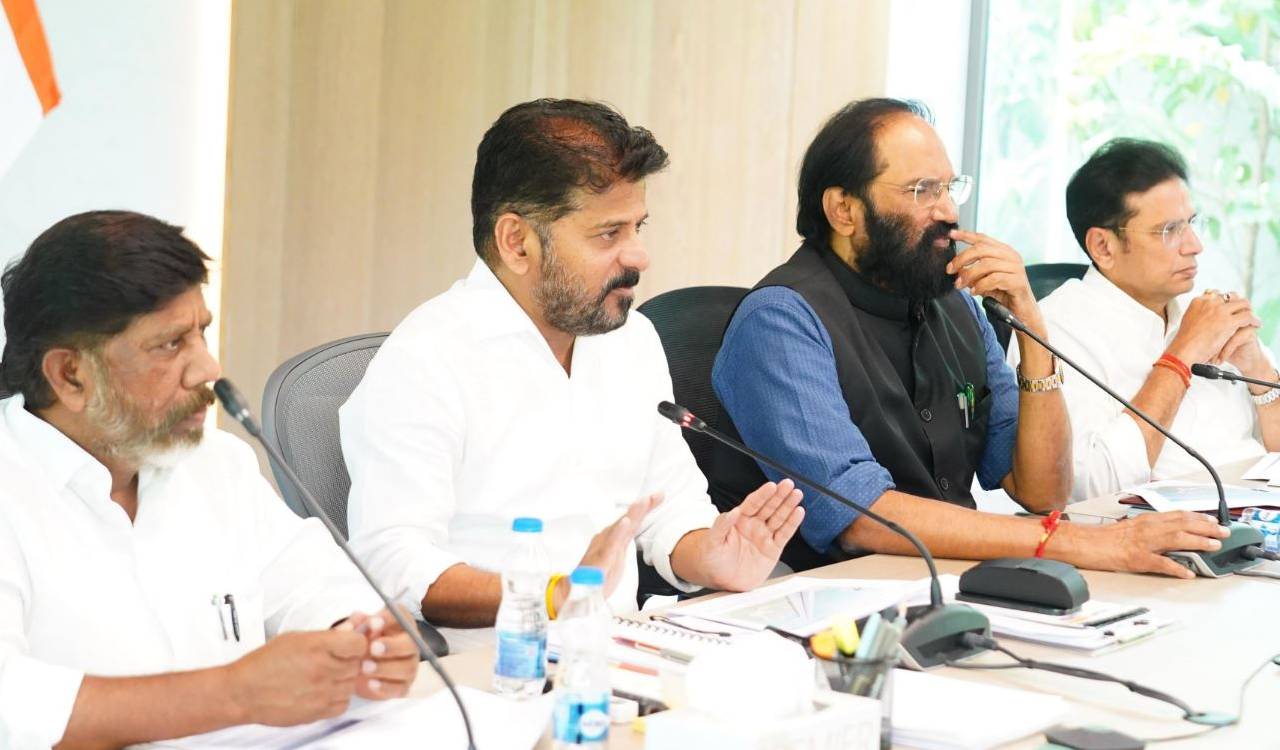
The bill had initially proposed a 20 per cent increase, but “with the permission of the Chief Minister A Revanth Reddy, the provision had been amended to cap the increase at 10 per cent”, Legislative Affairs minister D Sridhar Babu told the Assembly during the prolonged discussion on the bill.
The minister sought to allay the apprehension of the steep property tax hike, assuring that people need not worry as the property tax would not increase substantially. Defending the proposed rates, he said around 20 per cent was levied in Mumbai and 17 per cent in Chennai.
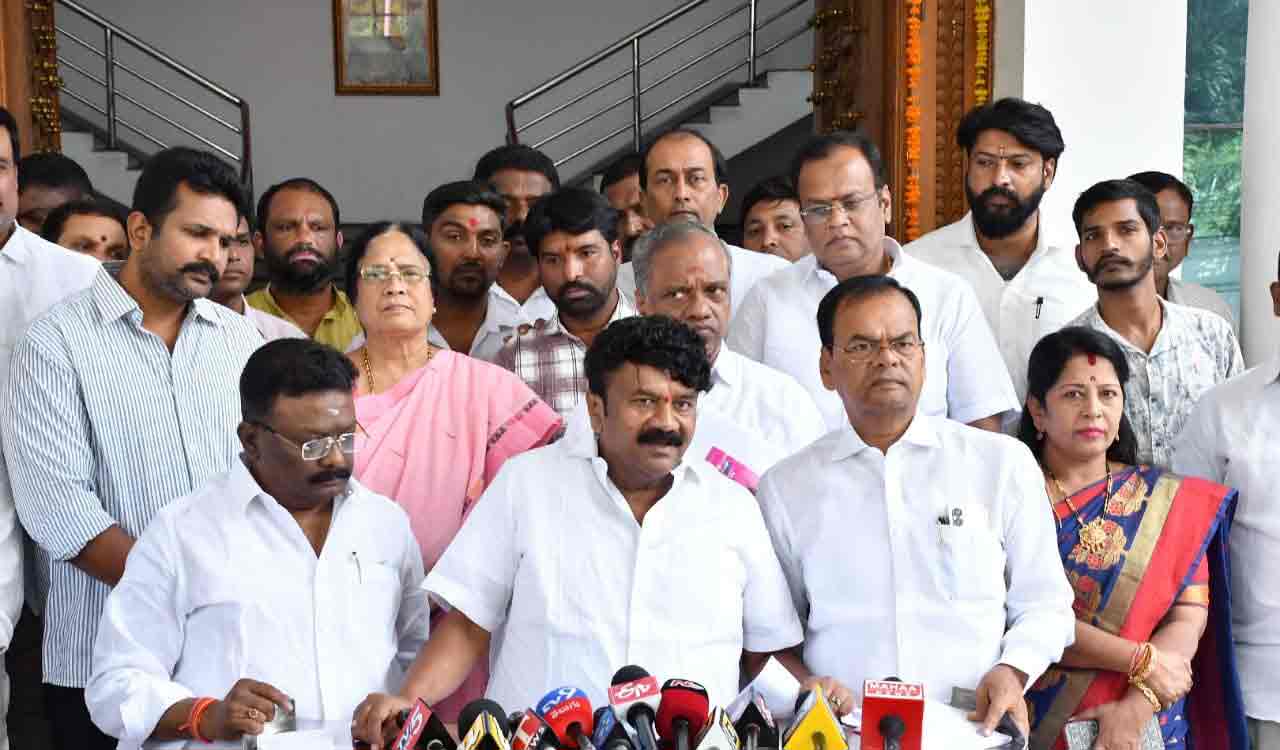
The House saw an intense discussion on the issue for over four hours with Opposition members expressing concerns over the proposed increase in property tax. Cutting across party lines, several MLAs expressed concern over the initially proposed annual 20 per cent increase in property tax. The main Opposition party BRS MLAs were not present in the House, as they were suspended en masse for the rest of the session.
Sridhar Babu maintained that the apprehension over an abnormal rise in property tax was unfounded, explaining that hitherto annual rental value method was being followed to calculate property tax within GHMC limits, while the capital value method was followed in the districts. The new Bill proposed a uniform method of calculating property tax on capital value method, he said.
Under the proposed system, property tax would be calculated at 0.15 per cent of the capital value for residential buildings and 0.75 per cent for non-residential buildings. If a structure measured 375 sq ft, the annual property tax for poor people would be Rs 101, he said. “Cannot we collect Rs 101 per year?” he asked. He informed the House that the initial 20 per cent proposed hike was slashed to 10 per cent with CM’s intervention and this would not be an annual feature, Sridhar Babu added.
Earlier, AIMIM floor leader Akbaruddin Owaisi pointed out that Clause 78 of the Bill proposed a 20 per cent annual increase in property tax. Describing it as unfair, he urged the government to reconsider the provision. He said the new Bill provided for an annual increase in property tax. While the previous GHMC Act provided for property tax based on annual rental value, the new Bill proposed calculating it based on the capital value of a property, linked to the market value of the land and building.
Akbaruddin also questioned the need to hold elections if elected public representatives had no powers and most powers were vested in officials in the apex governing council and executive committee. “There is a possibility of people challenging this clause in the court,” he said.
He further pointed out that the Bill did not mention the distribution of assets among the three proposed corporations. There had already been a delay in the distribution of assets between Telangana and Andhra Pradesh after bifurcation, he said. Similarly, there was no clarity on the staff strength required for the three corporations or how the staff would be arranged, he said.
Taking a dig at the government, Akbaruddin alleged that one company continued to secure all contracts, including the underground cabling work worth Rs 1,400 crore. While the government was delaying fee reimbursement and benefits to farmers, the contractor’s bills were being cleared promptly, he charged.

Related News