Telangana High Court begins final hearing on KCR, Harish Rao’s petition against Ghose Commission
The Telangana High Court began final hearings on petitions filed by K Chandrashekhar Rao and others challenging the Justice P C Ghose Commission report on Kaleshwaram project irregularities. Senior counsel argued the findings were legally and procedurally flawed


By Legal Correspondent
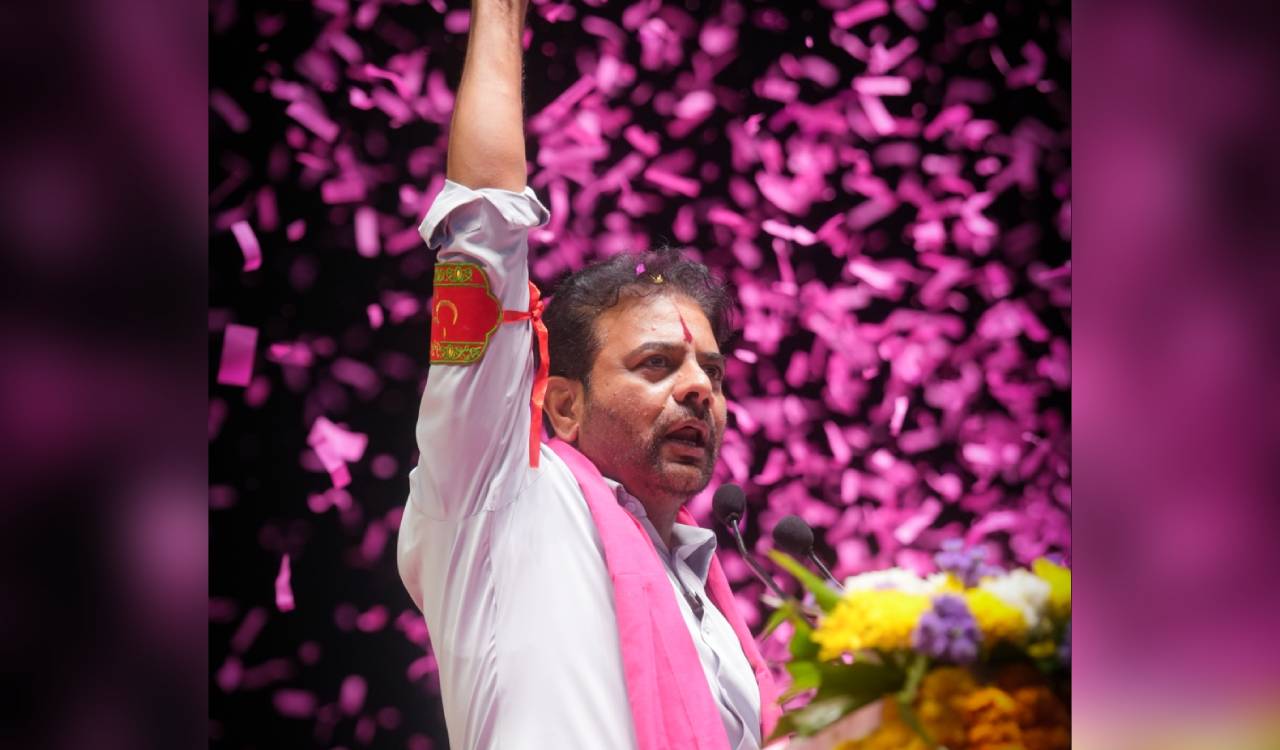
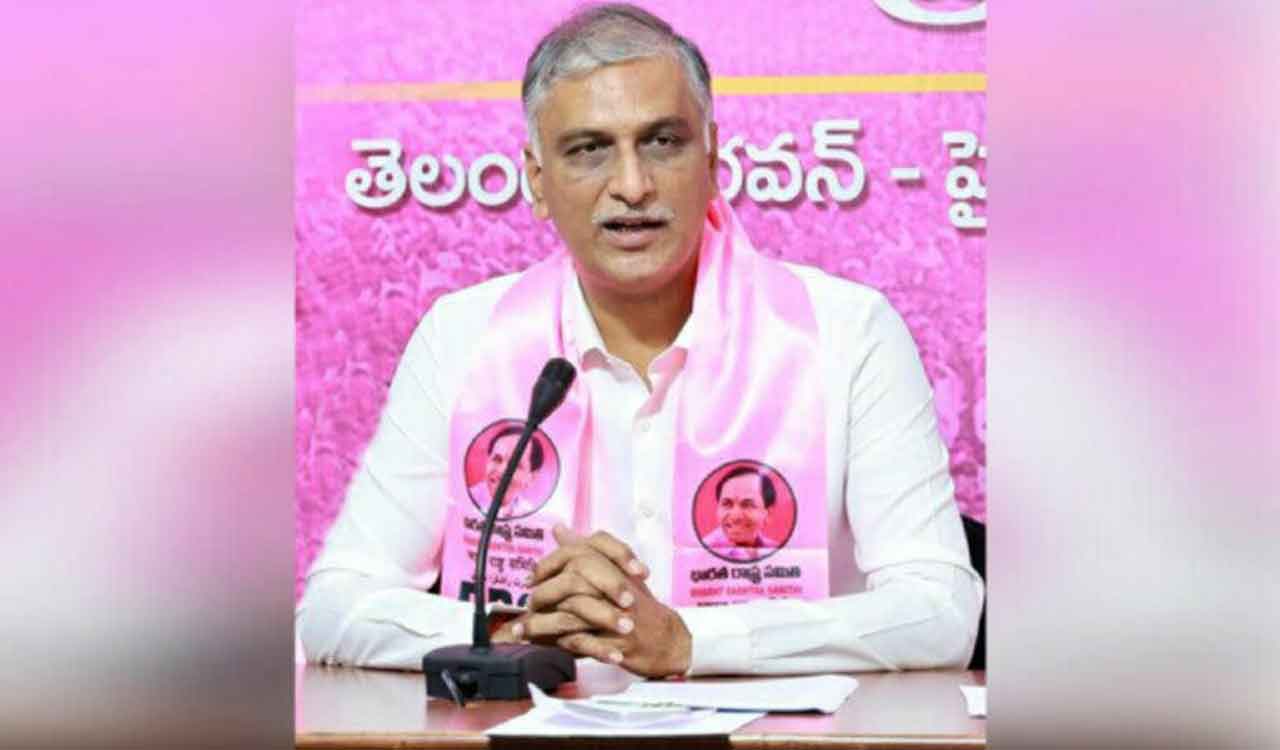
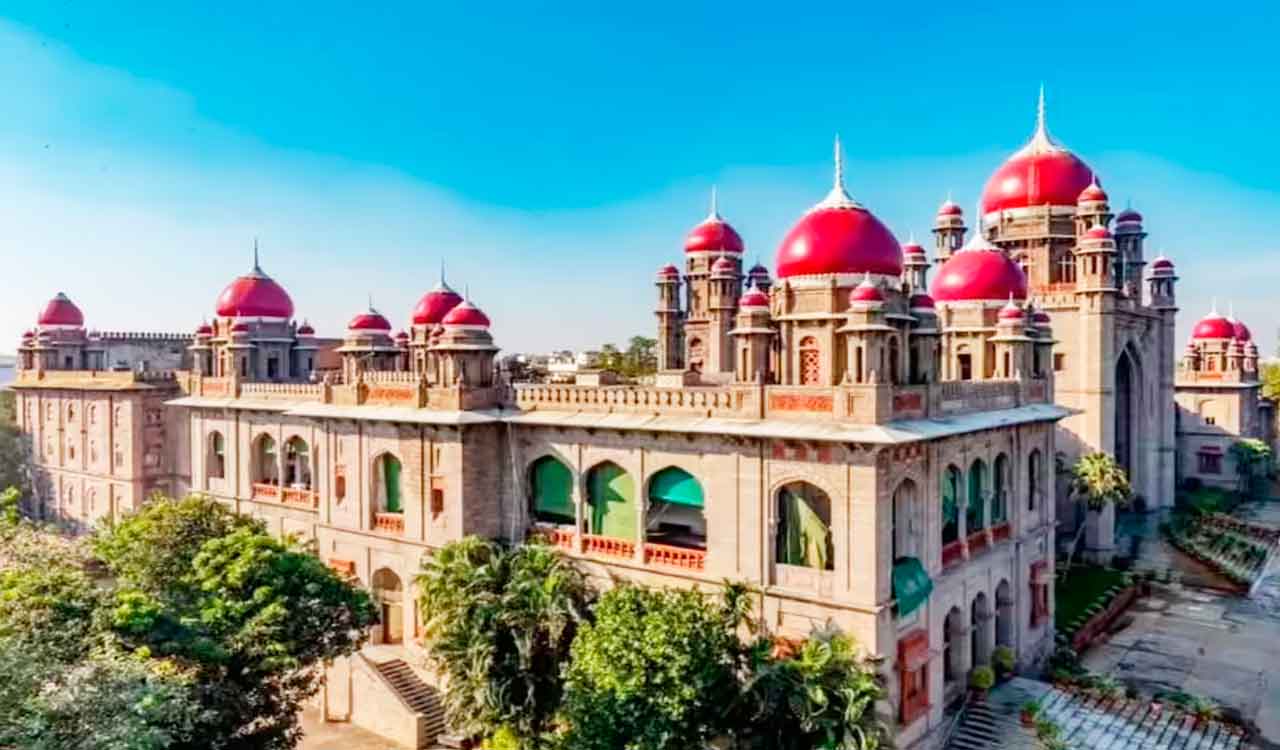
Hyderabad: Chief Justice Aparesh Kumar Singh and Justice G M Mohiuddin of the Telangana High Court on Wednesday commenced final hearing in the batch of writ petitions filed by former Chief Minister K Chandrashekhar Rao, former Minister T Harish Rao, former Chief Secretary S K Joshi and senior IAS officer Smita Sabharwal challenging the report of the Justice P C Ghose Commission on alleged irregularities in the Kaleshwaram Lift Irrigation Project.
The petitioners had questioned the findings and recommendations of the Commission, contending that the report was in violation of the mandatory procedure under the Commissions of Inquiry Act, 1952, and that serious adverse findings were recorded without affording them an opportunity of defence under Sections 8B and 8C of the Act.
Senior Counsel C A Sundaram, appearing for Harish Rao, addressed elaborate submissions tracing the historical background of the Kaleshwaram project. He submitted that the project, inaugurated in 2019, was an offshoot of the Dr B R Ambedkar Pranahita–Chevella Sujala Sravanthi project launched in 2005 during the erstwhile Congress regime. Following the bifurcation of the State in 2014, he argued, the original design became impracticable, particularly in view of objections raised by Maharashtra regarding submergence at the proposed Full Reservoir Level at Tummidi Hatti across the Pranahita river. He submitted that in 2016, Telangana and Maharashtra entered into an agreement and, after considering suggestions of the Central Water Commission, the project was redesigned and bifurcated into the Dr B R Ambedkar Pranahita project and the Kaleshwaram project. Barrages were subsequently constructed across the Godavari at Ramadugu, Medigadda, Sundilla and Annaram to store water for lift irrigation and drinking purposes in drought-prone areas. He contended that the project was conceived and executed within this altered inter-State and technical framework.
Turning to the Commission’s report, Sundaram submitted that Harish Rao was issued notice only under Section 5(2) of the Act to appear as a witness. Despite this limited notice, the Commission went on to record adverse findings, including allegations of corruption and embezzlement of public funds, without issuing notices under Sections 8B and 8C, which are required when the conduct or reputation of a person is likely to be prejudicially affected. Relying on Supreme Court precedents in L K Advani and Kiran Bedi, he argued that inquiry commission reports have been quashed in similar circumstances for failure to comply with the procedure contemplated under the Commissions of Inquiry Act, 1952. He contended that the present inquiry was conducted with the sole objective of politically discrediting the previous Bharat Rashtra Samithi (BRS) government. Addressing the findings relating to the Medigadda barrage, Sundaram submitted that the reported sagging of one pillar was attributable to natural causes, including untimely monsoon rains, and not to any design or engineering flaws as alleged in the report. He maintained that the conclusions drawn by the Commission were legally unsustainable and procedurally flawed.
Senior Counsel Dama Seshadri Naidu, appearing for Chandrashekhar Rao, briefly commenced his arguments. However, owing to paucity of time, the Bench adjourned the matter to Friday for continuation of arguments. Interim protection that no action is going to be taken on the basis of any findings contained in the Commission’s report, granted earlier, was extended for the petitioners.

Related News