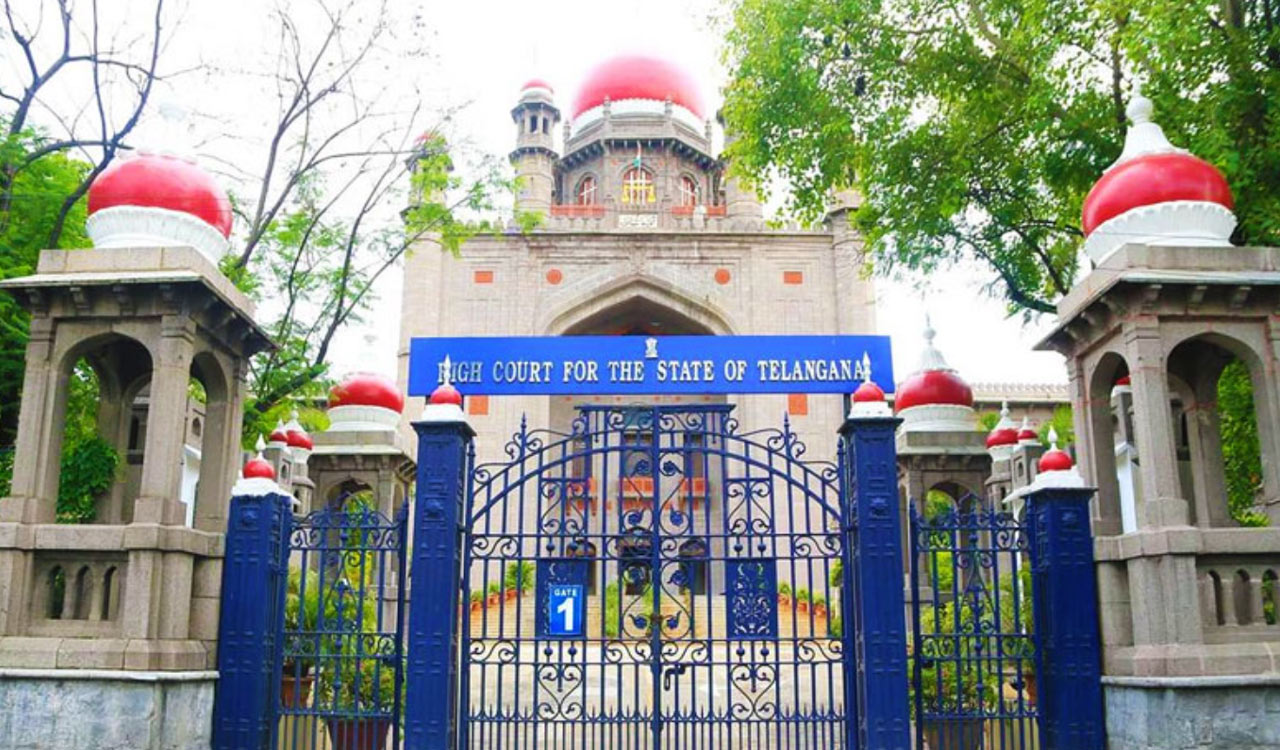
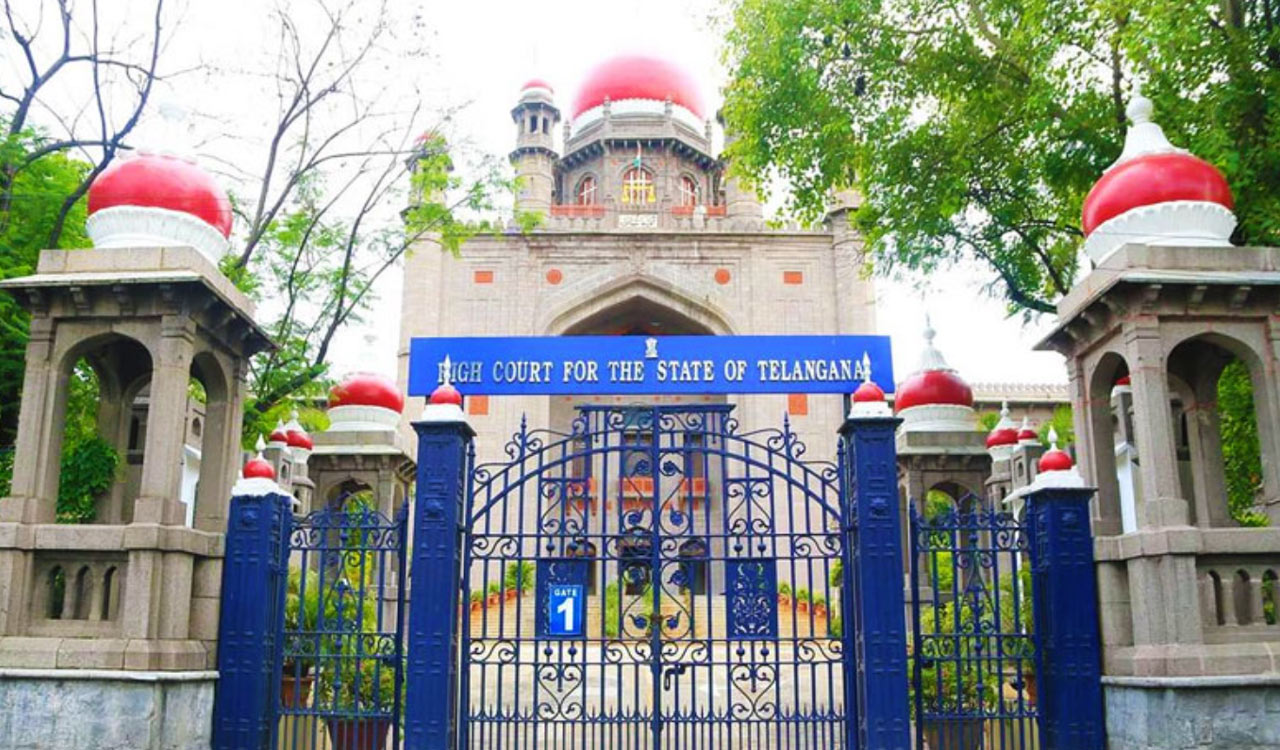
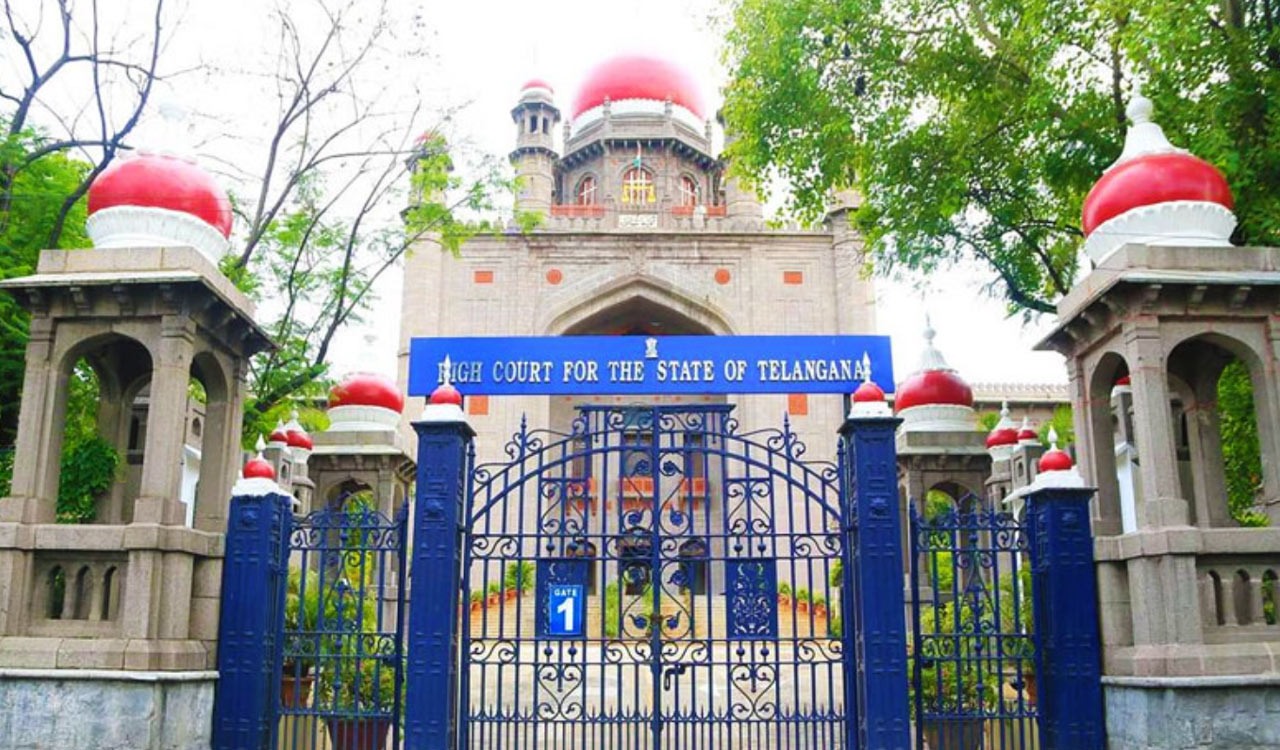
Telangana High Court declares mining illegal in Reserve Forest
The Telangana High Court has upheld the Forest Department’s stand in a decades-old dispute over mining in Garla reserve forest, ruling that the land is part of notified forest and that mining leases were granted on a flawed revenue classification.



By Our Legal Correspondent
Hyderabad: Justice Nagesh Bheemapaka of the Telangana High Court has upheld the stand of the Forest Department in a long-standing dispute concerning mining activities in the Garla reserve forest area of Khammam district, while faulting revenue authorities for erroneously classifying forest land as government land.
In a judgment on a dispute spanning several decades, the Court held that about 760 acres of land in Pocharam and Sripuram villages of Garla mandal form part of the notified reserve forest, and that the grant of barite and dolomite mining leases was based on a “fundamental misconception” arising from incorrect revenue classification.
The Court noted that the area in question was notified as reserve forest by the erstwhile Nizam’s government on August 17, 1951, as part of the larger Garla Reserve Forest admeasuring over 44,000 acres. However, due to administrative error, around 762 acres were treated as ‘Sarkari’ land, enabling mining operations to continue since 1962, leading to what the Court described as significant environmental degradation.
The dispute came to a head in 2009 when the Forest Department issued notices directing the cessation of mining activities for want of approvals under the Forest Conservation Act, 1980. This triggered litigation by mining companies and contractors challenging the Department’s action.
Referring to its earlier directions, the Court noted that the Survey of India had conducted a comprehensive survey to demarcate forest boundaries in accordance with the 1951 notification. The survey report concluded that nearly the entire leased mining area—barring about 2.77 acres—falls within the notified forest.
Rejecting the objections raised by the petitioners, the Court held that the survey had been conducted in a transparent manner with due notice to all stakeholders and did not suffer from any infirmity.
It also noted that challenges to the survey report had not succeeded, lending finality to its findings. Observing that the lands are “undoubtedly forest lands”, the Court held that the mining leases were granted on an erroneous premise and cannot override the statutory mandate to protect forest areas.
It upheld the Forest Department’s action in seeking to halt mining operations and dismissed the petitions filed by the mining entities. The Court further noted that several leases had expired over time, and in certain cases, mining activity had not commenced.

Related News
-

Heera Group ponzi scam: ED completes registration of 7 properties auctioned in Hyderabad
-
Telangana High Court Hears Plea Against ECI’s SIR Voter Notice Process
-
Telangana High Court Reserves Order on IAS Officer Amrapali’s Cadre Allocation Plea
-
Bandi Sanjay’s son moves Telangana HC to restrain media, social platforms over POCSO case