Telangana High Court pulls up CDSCO for ‘mindless’ prosecution
The Telangana High Court imposed Rs 50,000 costs on CDSCO officials for initiating prosecution against a retired employee without basis, calling it a mechanical and mindless use of criminal law and an abuse of the legal process



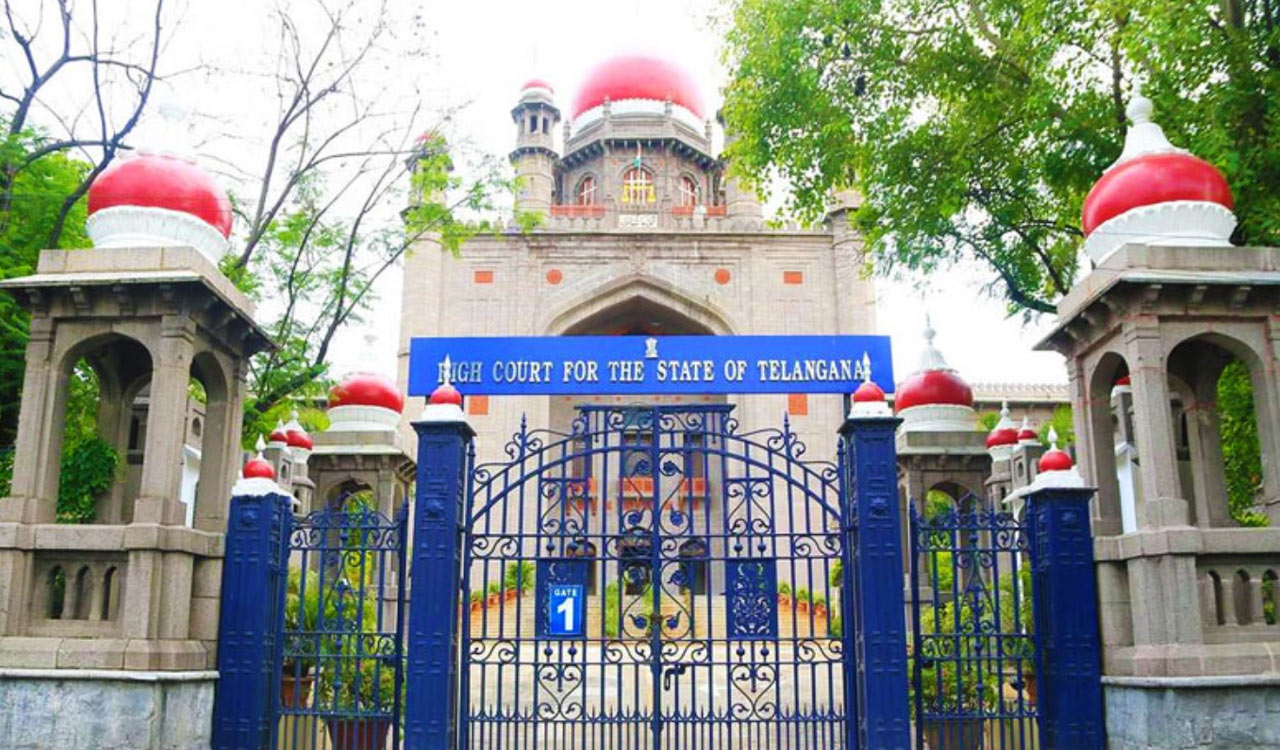
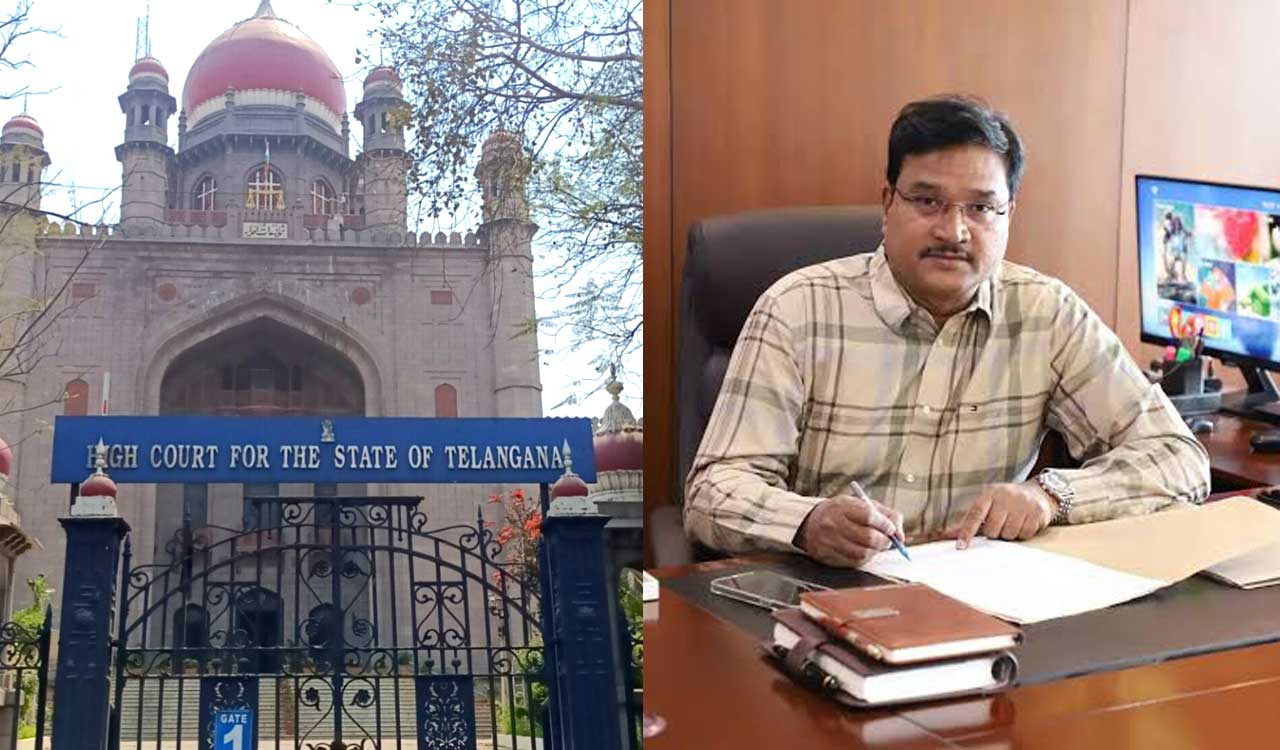
Hyderabad: Justice Jukanti Anil Kumar of the Telangana High Court has imposed costs of Rs 50,000 on officials of the Central Drugs Standard Control Organization (CDSCO), coming down strongly on what he described as a mechanical and mindless invocation of criminal law against a retired employee.
The order was passed in a criminal petition filed by AK Gupta, who had served as Zonal Manager of Hindustan Antibiotics Limited. The prosecution stemmed from a complaint lodged by drug authorities in March 2012, alleging that certain medicines supplied to the South Central Railway Hospital at Lalaguda were of substandard quality.
The case revolved around samples of Roxithromycin Tablets IP 150 mg, drawn in 2010, which were later declared “not of standard quality” by the Central Drugs Laboratory, Kolkata. Acting on this, authorities initiated proceedings under the Drugs and Cosmetics Act.
However, the Court noted a fundamental flaw: the drug in question had been manufactured in March 2009, while the petitioner had already retired on January 31, 2009. Despite this, he was arrayed as Accused No.1.
Justice Jukanti observed that fastening criminal liability on a person who had no role at the relevant time “defies logic” and reflects a clear non-application of mind.
The Court held that initiating prosecution without any substantive material is nothing but an abuse of the legal process. Emphasising the seriousness of such actions, the Court pointed out that setting criminal law in motion directly impacts an individual’s personal liberty under Article 21 of the Constitution. It cautioned that authorities exercising statutory powers must do so with due care and responsibility, and not in a routine or mechanical manner.
The Court further remarked that it cannot lend its support to actions of officials who, despite holding responsible positions, proceed hastily to implicate individuals without proper basis. Taking note of the unnecessary hardship caused to the petitioner, the Court imposed costs of Rs.50,000 on the concerned drug authorities, directing that the amount be paid within four weeks. The imposition was intended both as compensation and as a deterrent against similar lapses in the future.

Related News