Editorial: Parsis — a community in crisis
The rapidly shrinking Parsi population presents a serious demographic and socio-economic challenge, requiring urgent and collective attention from government, policymakers, community institutions and civil society
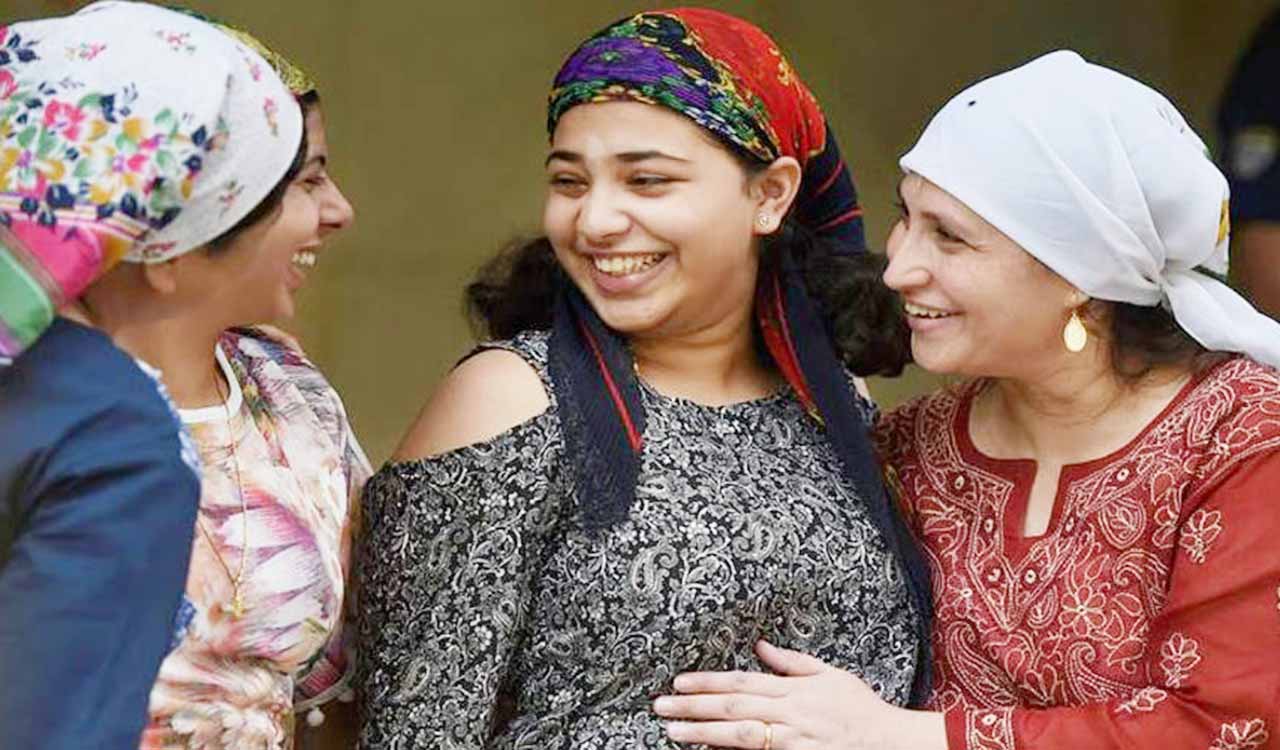


Parsis, who arrived in India between the 8th and 10th centuries to escape persecution after the Arab-Islamic invasion of their land, have been an inseparable part of the country’s pluralistic cultural ethos. The community’s contribution to India’s industrial, economic and philanthropic development has been immense. However, the rapidly declining population over the decades has pushed Parsis into an existential crisis. A report, released at a recent conference organised by the National Commission on Minorities, has warned that if the present demographic trend continues, the Parsi population in India could decline to fewer than 10,000 by 2101. The last Census in 2011 counted 57,264 Parsis, just about half the population in 1941. The rate of demographic decline of the community — 18% drop per decade — has been alarming. Late or no marriages and falling birth rates have taken their toll. In 2010 alone, Mumbai, where the Parsi community is concentrated, recorded 210 births against 933 deaths. In Delhi, their population dropped 30% over 14 years, signalling a total absence of Parsis in the nation’s capital within the next 30 years if the current trend continues. A Harvard University study notes that the Parsi community has an average Total Fertility Rate (TFR) of 0.89 children per couple, far below the 2.1 replacement level. To reverse the trend, the Centre launched an initiative called ‘JiyoParsi’ in 2013-14. Despite the advocacy and financial support, the birth rate has not shown any improvement.
The declining population of Parsis presents a big challenge to sociologists and policymakers, and requires collective attention from the government, community institutions, civil society and scholars. Decades of low birth rates have created an upside-down population pyramid. The community has a highly disproportionate number of elderly individuals dependent on support, with too few youth in their reproductive years. High rates of youth migration abroad for careers, coupled with strict orthodox rules that traditionally exclude women who marry outside the community, compound the ongoing loss. The Parsis embody the ethos of hard work, integrity, and public service. This has enabled them to contribute substantially to the making of modern India. The Tata family’s efforts in laying a strong foundation for industrial development deserve a special mention in India’s growth story. Incentivising births alone has not been able to address the core socio-economic issues of the community. The cascading impact has been on the economic well-being of the community. The report showed that economically weaker Parsis faced hardship, and the once-wealthy community now counted some of its own among the poor. The community trusts and wealthy philanthropists do their bit, but that is not enough. Clearly, the ethnic insulation and isolation did not help keep the community vibrant and thriving. On the contrary, it may have brought it face-to-face with an inter-generational crisis that its ancestors had faced centuries ago.
Also Read

Related News