Telangana’s farm sector crisis: Of broken promises, mounting distress
Telangana farmers continue large scale protests over loan waiver delays, erratic Rythu Bharosa payments, fertiliser shortage, crop losses and procurement problems. With flood and drought relief still unmet and input crises worsening, unrest has grown across districts as 2025 ends


Hyderabad: From being treated like kings to being chased on the streets like criminals, Telangana’s farmers remain locked in a near-permanent protest mode even as the 2025 Kharif harvest season ends. Sporadic demonstrations that began in early 2024, soon after the Congress came to power, have escalated into highway blockades, dharnas and frequent clashes with police, reflecting anger over unfulfilled electoral promises, climate disasters and persistent input and procurement problems.
The Congress government, which came to power in December 2023, repeatedly claimed it had waived crop loans worth Rs 21,000 crore benefiting around 25 lakh farmers in 2024. However, thousands of farmers say the waived amount was credited to their accounts only to be debited overnight without explanation. Banks continue aggressive recovery, pushing many small and marginal farmers towards financial trouble.
Incomplete and delayed Rythu Bharosa scheme
The popular Rythu Bandhu scheme (Rs 10,000 per acre per year under the previous BRS regime) was scrapped. It was replaced by Rythu Bharosa but the assistance was extended irregularly. Despite a marginal hike to Rs 12,000 per acre, the Congress manifesto promise of Rs 15,000 per acre remains unfulfilled for most farmers.
Back-to-back weather problems and inadequate relief in 2024
Excess rainfall (961.6 mm) and the September floods submerged more than 20 lakh acres of paddy (sown on 48 lakh acres), cotton (42.6 lakh acres) and maize.
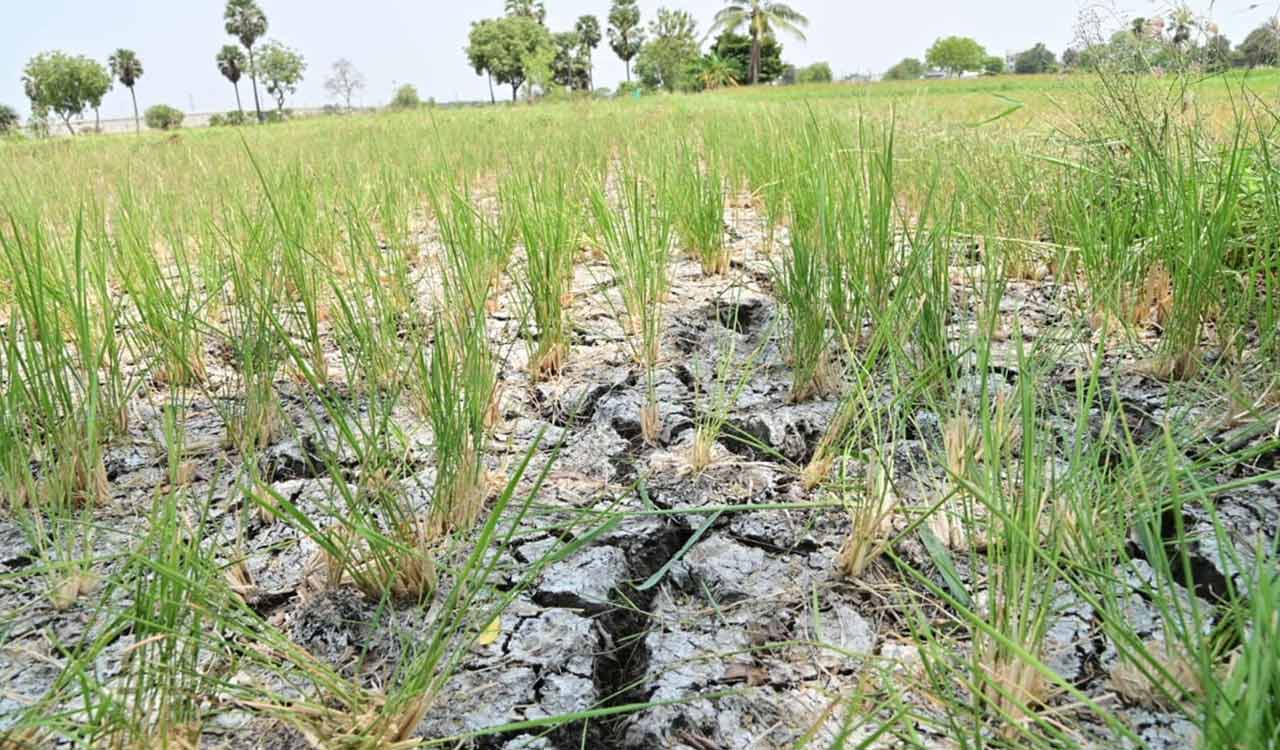
Severe drought-like conditions were reported due to low reservoir levels (242 TMC against 351 TMC the previous year), non-functional Kaleshwaram project barrages, groundwater depletion and frequent power cuts. Over 10 lakh acres in the Kaleshwaram ayacut were affected and around 60,000 acres were abandoned.
The government offered only Rs 10,000 per acre for flood-hit Kharif crops (against farmers’ demand of Rs 25,000 to Rs 50,000) and provided almost no compensation or crop insurance relief to drought-affected Rabi farmers.
Persistent fertiliser crisis
Acute urea shortage hit the 2025 cropping seasons. Telangana needed 8.54 lakh metric tonnes this year but received only 6.81 lakh MT from the Centre. Long queues, collapse of waiting farmers and widespread black marketing of urea bags sold at Rs 700 to Rs 800 against the MRP of Rs 266 triggered protests, including raids on godowns in Jogulamba Gadwal, Rajanna Sircilla and Warangal.
Procurement bottlenecks
Delayed and restrictive procurement of paddy, cotton and soybeans continued into late 2025. In the cotton belt, the Cotton Corporation of India’s strict moisture limits and compulsory use of the Kapas Kisan app angered farmers. Ginning mills across the state shut down in protest, leaving harvested cotton to rot and prices to fall. Farmers blocked National Highway 44 for days in Adilabad and other districts, disrupting transport.
Two years after the change in government, farmers say the change in government turned out to be worse for them. With core demands such as full loan waiver, Rs 15,000 per acre support, timely inputs, proper disaster compensation and fair procurement still pending, the agitation shows no signs of slowing down as the state moves towards 2026.
• Congress government claims Rs 21,000 crore crop waiver for 25 lakh farmers
• In many cases, amounts credited to loan accounts reversed overnight
• Irregular rollout of Rythu Bharosa at Rs 12,000 per acre against promised Rs 15,000; majority left out
• Compensation denied to many farmers who suffered climate-related crop losses
• Urea supply shortfall led to black marketing and godown raids
• App-related delays left cotton stocks rotting and forced protests

Related News