Ten years after the creation of smaller districts in Telangana: A success story of growth through decentralised administration
Telangana’s district reorganisation in 2016 expanded the State from 10 districts to 31, with Mulugu and Narayanpet added in 2019 to take the total to 33. The article examines its administrative aims and links to economic and social development indicators.
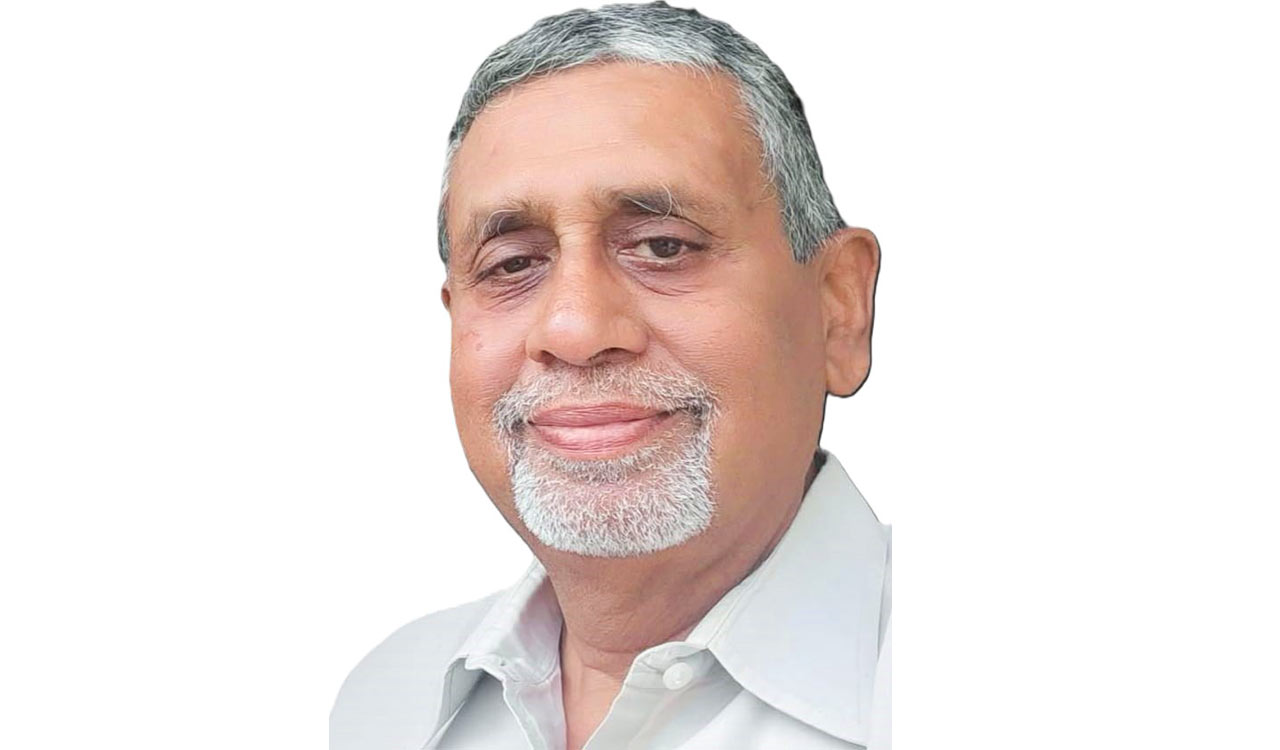


Dr. Rajiv Sharma, IAS (Retired)
Served as the first Chief Secretary of Telangana
The history of Telangana is a saga of a long struggle of many decades for statehood, followed by a joyful period of rapid development and growth after its inception on 2nd June, 2014. The government of the newly created state of Telangana led by the then Chief Minister Sri K. Chandrasekhar Rao, took a momentous decision in a cabinet meeting on 7th October 2016 to create 21 new districts that became functional exactly 10 years ago on 11th October 2016 on the auspicious day of Vijayadashami. It was a well thought out initiative not only backed by the poll promise of 2014, but also a result of the recommendations of a high-level committee based on a comprehensive study of geographic and socio-economic data, administrative convenience, connectivity, topographical rationalisation, need for decentralization and popular demand for smaller districts articulated by the people and their representatives. Further requests from Mulugu and Narayankhed led to the creation of two more districts later in February 2019, taking the total to thirty-three districts, a substantial increase from the very large and unwieldy ten districts that came to Telangana in 2014. The average size of these districts was 11000 sq. km. with an average population of 35 lakhs. It was much above the national average of 4900 sq. km area and population of 18 lakhs. Now, after the creation of new districts the average size is 3400 sq. km. with a population of about 10 lakhs. The new districts also had a thumb rule that a citizen should not travel for more than an hour to reach the district headquarter. This exercise also led to an increase in the number of revenue divisions from 25 to 68 and mandals from 459 to 584, further bringing the administration closer to people.
The administrative work behind the creation of these new districts was very elaborate and painstaking and it is worth mentioning some interesting details here. It involved collection of data and information, receiving innumerable petitions and suggestions, drawing new boundaries and preparation of new maps, creating a mechanism for optimum distribution of office infrastructure, vehicles, immediate deployment of staff at all levels, procuring accommodation and moving the files and records to new districts, which were made operational from the midnight itself rather than waiting for the dawn. Each district was given an initial fund of Rs. one crore for administrative expenses to set up the new offices. The state was already short of officers not only in state cadre but also in the all-India services such as IAS, IPS and IFS. It made the task of finding sufficient number of officers to be posted to run the new districts very difficult. Some officers working at the state level were sent to the districts and many young officers with relatively less experience were also posted in new districts with the assurance of regular guidance by seniors.
The avowed objective of this massive administrative reform involving large scale decentralization was to achieve efficiency in governance, better service delivery, equitable distribution of resources and allocation of funds keeping the needs of the poor and backward areas in mind. It was expected, and rightly so, that the Collectors and other district officers will have crucial information about the progress and problems of their districts literally on their fingertips because of manageable span of control. The whole administrative apparatus was brought closer to the people. The officers could now tour the districts more intensively and be available to the people to listen to their grievances and solve their problems. It would also be easy for the elected representatives to interact with the officers more frequently. This decentralization also helped in monitoring the projects and flagship programmes of the government such as supply of drinking water to each household under mission Bhagirath, maintaining 24/7 power supply, giving quick permissions to industrial projects under TS-iPASS, expansion of irrigation potential under various schemes, supporting farmers with effective extension work and assistance under Rythu Bandhu, procurement and distribution under civil supplies network, running welfare programmes like enhanced old age pension, Kalyan Lakshmi, improving the residential schools and school education system and so on.
The popular slogan on which Telangana was formed was to have equitable distribution of water, funds and jobs (Neelu, Nidhulu and Niyamakulu) and the new districts gave ample opportunity to achieve this objective. In order to give a push to localised planning, district-wise developmental plans were made based on the competitive advantage of each of these smaller districts in a specific area and funds started to be allocated on this basis. For example, some districts needed expansion of industrial infrastructure for manufacturing or textiles and handlooms, whereas some others required very specific focus on agriculture, irrigation and agricultural marketing. Districts with potential for urban and peri-urban growth required investment in urban infrastructure to support the fast-expanding service sector.
A very positive fall out of the creation of new districts was the redistribution of opportunities in government employment. Telangana Public Employment Order, 2018 issued with the approval of President of India under article 371-D of the Constitution provided for 95% reservation for locals in district, zonal and multi zonal level posts. The purpose of decentralization through new districts was to correct the historical imbalance by ensuring that the government jobs were not appropriated by people from few urban pockets or already developed areas.
The creation of new districts suddenly opened new opportunities in the new district headquarter towns, each of which got new infrastructure like collectorates, district police offices, hospitals, medical colleges and so on. This also attracted new private investment in infrastructure, real estate, markets and services, and definitely gave a boost to economic activity and job creation through these new growth hubs.
There is enough evidence to show that the creation of new districts translated into unprecedented economic growth and better administration. It improved administrative outreach and brought efficiency even in routine administration. Acquisition of land for projects which used to take years got expedited thereby ensuring timely completion of major projects to improve road network, industrial infrastructure, irrigation, drinking water facilities and power generation and distribution.
An unprecedented growth was achieved in agriculture from 2014 onwards by expansion of gross cultivated area from 1.31 crore to 2.20 crore acres, by increasing the gross irrigated area from 62 lakh to 135 lakh acres. It reflected in increase in total food grain production from 69 lakh tonnes to 260 lakh tonnes. This growth was achieved through decentralized planning and better targeting of benefits through schemes like Rythu Bandhu (now modified as Rythu Bharosa) and improved supply of inputs and quality seeds. The extension work was decentralised and the number of agriculture officers was substantially increased after the creation of new districts so that an officer is available for an area of 5000 acres to focus on specifically identified crop clusters.
The creation of smaller districts also improved the delivery of welfare schemes through better monitoring and targeted Direct Benefit Transfers (DBT). For example, improved delivery of health and antenatal services and incentivised institutional deliveries brought down the maternal mortality rate from 92 to 43 per one lakh live births, which is much below the national average of 88.
All economic indicators show an unprecedented growth of Telangana from its inception in 2014, when compared to other states and India as a whole. The performance on some broad indicators can be mentioned here as reported in the publications of Reserve Bank of India, Ministry of Statistics and Programme Implementation (MoSPI) of Government of India and Telangana Directorate of Economics and Statistics. The Gross State Domestic Product (GSDP) of Telangana increased from a mere Rs 5.05 lakh crore to Rs 17.82 lakh crore in 2025-26 at current prices showing an annualized compounded growth rate of more than 12% at current prices and 7.9% at constant prices which is much above the national growth. It raised the state’s contribution to India’s GDP from about 4% to 5 % in this period. The per capita income of the state also rose from Rs. 1.24 lakh to Rs 4.18 lakh during this period as compared to the national average of Rs 2.19 lakh at present.
The pattern of growth however differs from district to district because the growth drivers vary from high multipliers like IT, services and real estate in Ranga Reddy to the primary sector of agriculture in many other districts. But it is creditable to note that from a base of 2017-18, after the creation of new districts, till the latest accounting year of 2025-26, all the districts have registered impressive annul compounded growth rates of 8 to 9 % with Ranga Reddy growing at more than 15% with the distinction of being the richest district of India in per capita income. This is particularly a miraculous turn around for a state, which had 9 out of 10 districts listed as backward by the erstwhile Planning Commission prior to 2014. The same state now has the highest per capita income among the major states of India.
In conclusion, the well-intentioned administrative reform to decentralize administration through smaller districts brought impressive dividends. It accelerated the pace of development not only in terms of economic growth, but also showed distinct improvement in social indicators and delivery of services for the welfare of the poor and disadvantaged. It is heartening to note that the foundation of growth laid in the early years has brought Telangana to a trajectory of fast growth and to be seen as a shining example of an important growth engine of India.

Related News