Well-being for the elderly, battling neurodegenerative disorders
Better social health results in older individuals having better control over their cognitive functions


By Shravani Shahane, Dr Garima Rajan
Staying positive and resilient while facing and experiencing a neurodegenerative disorder can be challenging for the individual as well as their caregivers. While it becomes important to have a cure to numb the symptoms, it is also crucial to look at the factors that will lead to a positive outlook toward the illness and life. According to the World Health Organization, there are more than 55 million individuals globally living with a neurodegenerative disorder, with 60% of them in low and middle-income countries.
Also Read
Newer strategies and counselling to help elderly individuals battle such challenges tend to overshadow the power of social support as an encouragement of positive health while facing the challenges of neurodegenerative disorders like dementia and Alzheimer’s. Several studies have concluded that social support has facilitated coping, adjustment and adaptation to chronic illnesses (Cotter et al, 2018), and has significantly reduced the risk for a range of diseases, health issues and all-cause mortalities. (Joshi et al, 2024)
Social Health
Social health includes two elements: social support and social isolation. Social isolation is explained through the number of social interactions and the individual’s interaction with their social environment. When people interact, they exchange something, and this ‘something’ is called social support, which is embedded in social relationships (Murata et al, 2019).
Social support is the subjective component, varying among individuals, which is the extent to which an individual feels that their social needs are met. It can be defined as having four or more relatives or close friends with whom one can discuss their personal matters, essentially, be comfortable with, and could be called upon for help. Related to this, systematic reviews show that better social health results in older individuals having better control over their cognitive functions. It was also stated that poor social health increases the likelihood of an individual’s risk of dementia (Joyce et al, 2021), including other disabling and life-shortening disorders (Joshi et al, 2024).
Focus on Social Support
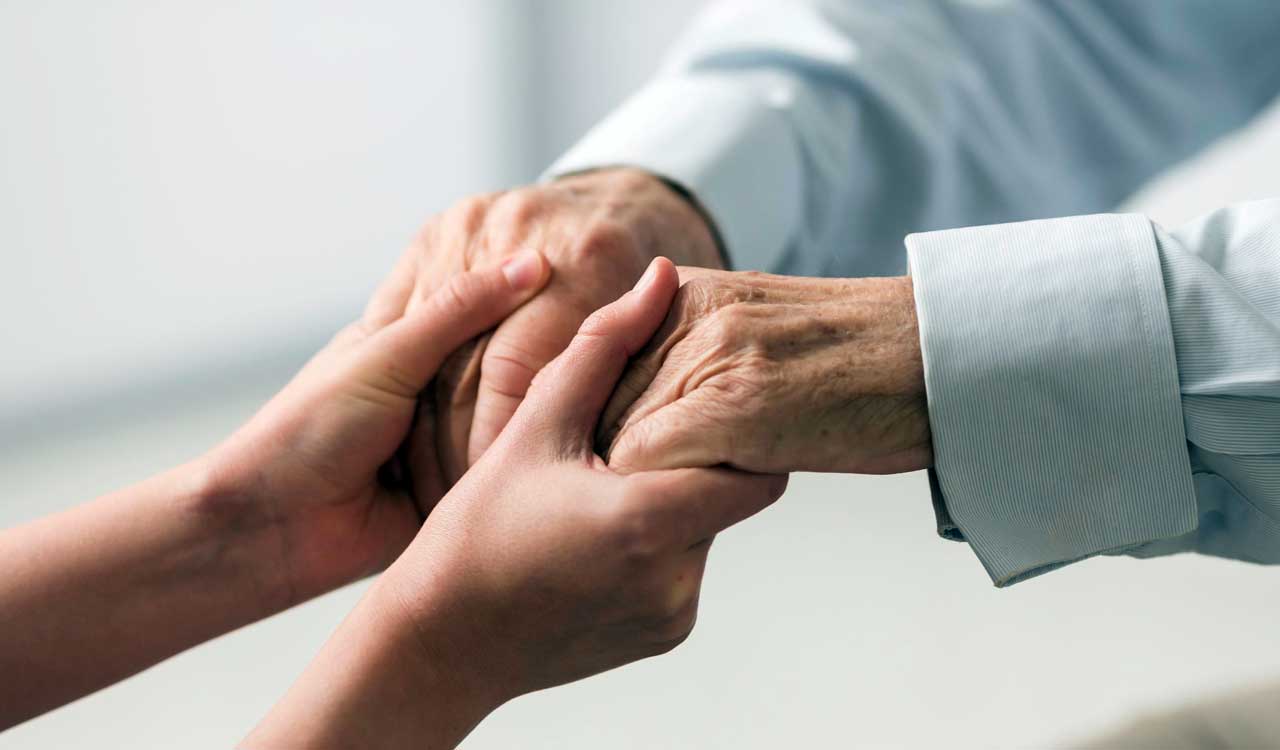
Several studies prove that peer support and such personal conversations that individuals have help in reducing isolation and the feeling of loneliness often associated with dementia (Hsiao et al, 2018). Regardless of the network size or group an individual is in, a lack of social interaction and a supportive network is related to incident dementia (Murata et al, 2019).
Patients state that being able to talk to other people who might have experienced the challenges or are currently experiencing the same, helps with practical advice, and provides immense emotional support, making them hopeful, thus increasing their overall wellbeing. Through such studies, caregivers have also reported that the patients reported being mentally stimulated, and experienced feelings of being happy and heard when they took the help of these group interventions. Peer support for patients with dementia hence has a positive and beneficial influence on the overall physical, emotional and psychological well-being of the patients, with an increased self-esteem and quality of life, reducing the risk of depression (Willis et al, 2018).
Psychosocial Enhancement
Advancements in psychological research and the development of technology have provided us with several interventions and their alternatives. Such interventions consider the pressing impact of social support on patients, and its hand in improving the quality of life and well-being of individuals with Alzheimer’s disease, and the risk of other dementias. Be it formal carers, like healthcare professionals or clinicians, or informal or ‘unpaid’ carers like family and friends, both aim to reduce feelings of loneliness that they might be experiencing and instil the guarantee that they would be present in any situation that arises. (Kourakos et al, nd)
For example, technology-based simulated presence therapy (SPT) is a strategy consisting of audio or video simulations customised for patients that have proved to be helpful in the reduction of agitation, irritation or the tendency of withdrawn or disruptive behaviours. Another such intervention called individualised reminiscence therapy (IRT) helps participants open up to each other about their memories and subjective life experiences. This promotes social interaction, thereby reducing isolation and depressive symptoms.
Studies prove that peer support and personal conversations that individuals have help in reducing isolation often associated with dementia
Furthermore, horticulture-based activities and pet-based interventions have a positive emotional impact on individuals, influencing their social engagement, interactions, and mental and physical well-being (Joshi et al, 2024). In general, social recreational programmes enhance the sense of belonging, encourage the formation of relationships and strengthen bonds by strengthening social support networks. (Sun et al, 2022)
Due to a decline in the cognitive abilities of patients diagnosed with a neurodegenerative disorder like dementia, they experience greater difficulties and challenges, with hindered social cognition. Since such a disorder becomes a life-changing experience, realising the importance of social well-being as a predictor of increasing social wellness is of utmost importance (Maki et al, 2020). Dementia-friendly communities (DFC) foster social interaction which motivates and empowers individuals to maintain an active life and engage in healthy behaviours.
As explained by the World Health Organization, health also encompasses positive social well-being and not just the mere absence of illness. Ageing adults and those suffering from dementia can positively benefit from social interactions, and such relationships can enhance their self-image and self-worth. (Maki et al, 2020)

(Shravani Shahane is Psychology Major Undergraduate student and Dr Garima Rajan is Assistant Professor of Psychology, at FLAME University, Pune)

Related News