Antibodies fade quickly in recovering COVID-19 patients, study finds
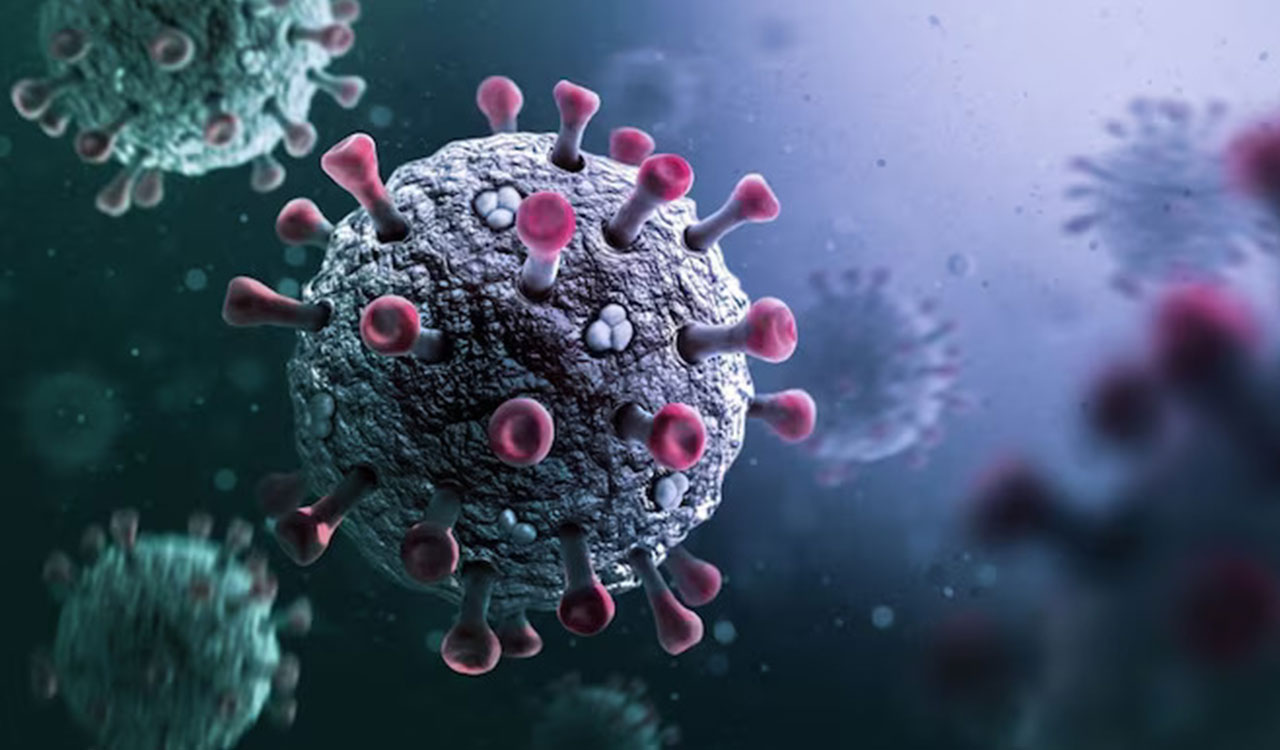
The spike protein of SARS-CoV-2 plays a crucial role in helping the virus grab and invade host cells.



Toronto: Antibody levels in the blood of COVID-19 patients drop rapidly during the weeks after their bodies have cleared the novel coronavirus, and symptoms have subsided, according to a study.
In the absence of approved, effective treatments for COVID-19, some hospitals have been treating patients with severe symptoms with blood plasma from recovering patients.
If convalescent plasma is ultimately shown to have a clear benefit, the new study published in the journal mBio concluded that it needs to be collected during a specific window of time after recovery.
However, recovering patients can’t donate blood until at least 14 days after symptoms have subsided, to give the body time to clear viral particles.
“We don’t want to transfuse the virus, just transfuse the antibodies,” said Andres Finzi at the University of Montreal in Canada.
“But at the same time, our work shows that the capacity of the plasma to neutralise viral particles is going down during those first weeks,” Finzi said.
The spike protein of SARS-CoV-2 plays a crucial role in helping the virus grab and invade host cells.
Antibodies produced by the body’s immune system bind to a part of this protein and block the capacity of this “key” to engage with the host’s cellular “lock”, preventing the viral particle from infecting a cell host, said Finzi.
Previous studies suggest that antibodies against the SARS-CoV-2 spike protein peak 2 or 3 weeks after the onset of symptoms.
Findings from an earlier cross-sectional study by Finzi’s group, involving more than 100 patients, suggested that the ability of plasma to neutralise the virus decreased significantly between 3 and 6 weeks after symptom onset.
In the new longitudinal study, Finzi and his colleagues analysed blood samples collected at one-month intervals from 31 individuals recovering from COVID-19.
They measured levels of immunoglobulins that act against the coronavirus S protein and tested the ability of the antibodies to neutralise the virus.
The researchers observed variation on the level of individual patients but identified a consistent overall signal.
The levels of Immunoglobulins G, A, and M that target the binding site decreased between 6 and 10 weeks after symptoms began, they found.
During the same time period, the ability of the antibodies to neutralise the virus similarly fell, according to the researchers.
Understanding how the levels of antibodies change over time is critical not only for optimising the use of convalescent plasma but also for understanding vaccine efficacy and whether or not previously infected people are at risk of re-infection, they added.

Related News
-

Harish asks BRSV to highlight govt’s failure to release fee reimbursement funds
-
Odisha reports two new COVID-19 cases, total infections rise to three
-
Four Covid-19 patients under treatment in Kolkata as doctors urge vigilance
-
Study identifies two distinct autism subtypes linked to brain connectivity Patterns