Destination US: Classroom Culture in the U.S.
Choosing courses in the United States offers flexibility and a variety of subject options to explore diverse interests. Students can combine core subjects like economics or biology with electives such as photography or environmental science.
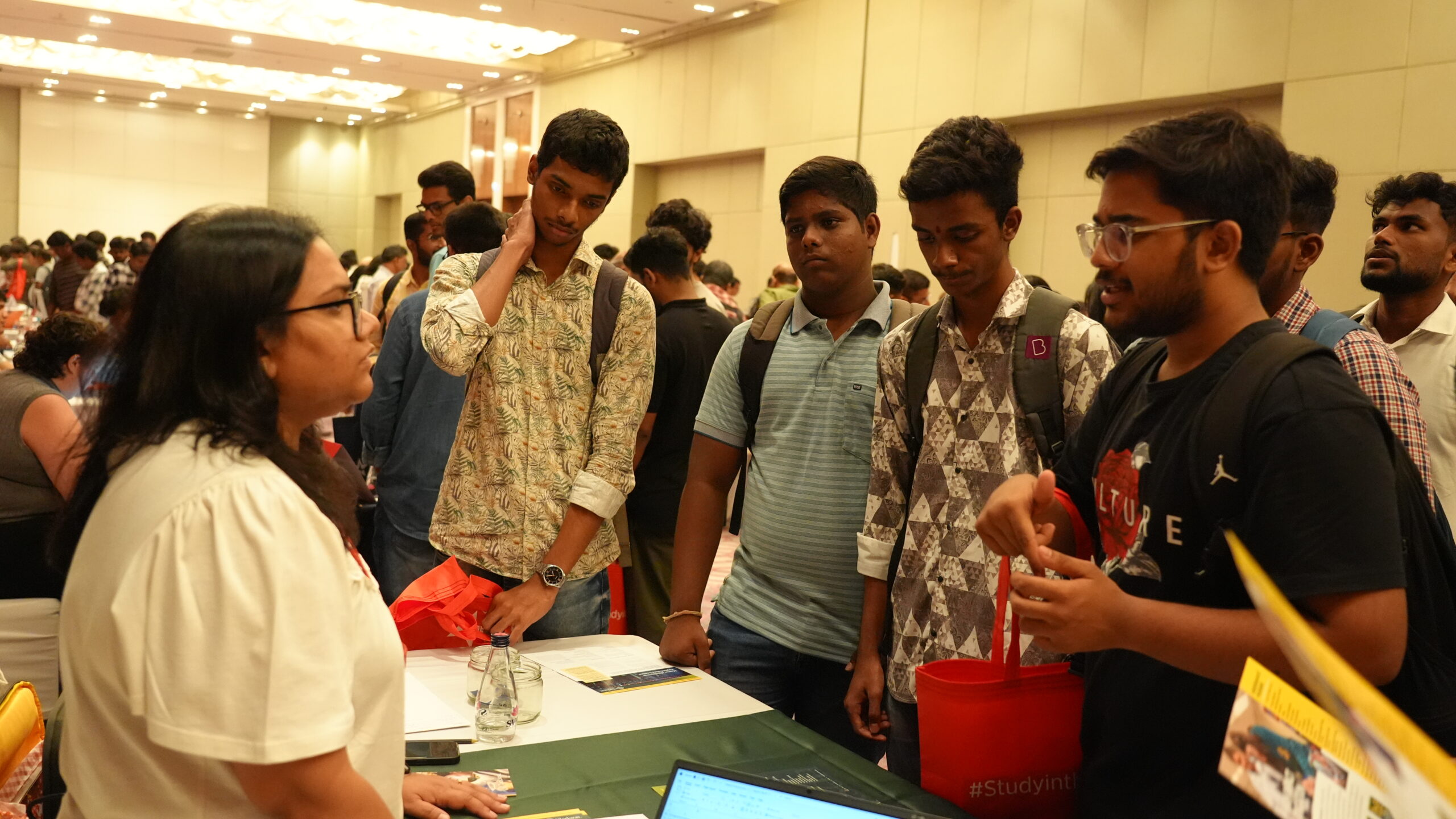


Hyderabad: Studying in the United States is often perceived as an aspirational opportunity, not only because of the plenitude of the courses and universities available but also because of the additional learning opportunities that emerge from the classroom culture there.
An American classroom culture incorporates wide-ranging practices that shape the learning environment for students and educators – both in-state and international. It is influenced by various factors, including diversity, teaching practices, school policies, community contexts, integration of cultural content into the curriculum, etc., that make the experience especially rewarding and conducive to growth.
Here are some examples of the key elements that characterise it
Course Selection:
Choosing courses in the United States offers flexibility and a variety of subject options to explore diverse interests. Students can combine core subjects like economics or biology with electives such as photography or environmental science.
For example, a business major might take creative writing to enhance communication skills or coding classes to stay competitive in today’s tech-driven world. Students are encouraged to begin by reviewing degree requirements to choose courses and credits. Students are assigned academic advisors to seek guidance to align choices with career goals and consider transferable credits.
Diversity and Inclusion:
U.S. classrooms reflect a blend of ethnicities, languages, and cultural backgrounds as international students increasingly pursue education in the United States. This diversity enriches the learning environment by offering varied perspectives. Professors often incorporate students’ cultural references into lessons—for example, discussing global literature or comparing international economic systems—ensuring the content resonates with everyone. This fosters cross-cultural understanding, broadens perspectives, and prepares students for success in a globalized world.
Teaching Style:
Interactive and activity-based teaching styles dominate U.S. classrooms. Educators often use student-driven activities to help bridge theoretical concepts with practical applications. Collaborative group projects are a common feature, enabling students to build interpersonal, negotiation, and leadership skills.
For example, students might work together on a science experiment or simulate a business pitch in a marketing class, tackling real-world challenges while enhancing critical thinking, problem-solving, and teamwork abilities.
Approachability of Educators:
Teachers in the United States are highly approachable, often encouraging students to seek guidance beyond class and offering “office hours” for one-on-one support. Whether discussing academic questions or broader topics, such as career advice, students can use these office hours to seek additional mentorship. For example, a student curious about climate change might receive personalized book recommendations or project mentorship.
Most professors are also highly responsive to emails and answer course-related questions. During the first day of class, professors usually highlight the best modes of communication to reach out to them and stay in touch beyond the classroom.
Integration of Technology:
Technology integration in U.S. classrooms revolutionizes education by enabling interactive, personalized learning. Technology is seamlessly woven into U.S. education with tools like interactive whiteboards, learning management systems, and virtual labs.
For instance, students might use software to submit assignments or collaborate on group projects using technical tools. This integration supports personalized and flexible learning. Technological tools also provide access and aid to students with disabilities and impairments.
Grading and Feedback:
U.S. classrooms prioritize continuous assessment and constructive feedback. Students are evaluated through quizzes, participation, and projects rather than solely through final exams. In some cases, on group projects, students can provide feedback to their classmates through peer evaluation, thereby fostering greater accountability.
Feedback focuses on improvement, such as suggesting more detailed analysis in essays or creative approaches to problem-solving. This approach ensures that students thrive in a dynamic and supportive learning environment, preparing them for academic and professional success.
Students can contact the EducationUSAcenter for more information before embarking on their journey as international students.

Related News