Editorial: Battleground West Bengal
The political storm in poll-bound West Bengal, triggered by multiple ED raids, once again blurs the line between criminal investigation and electoral politics



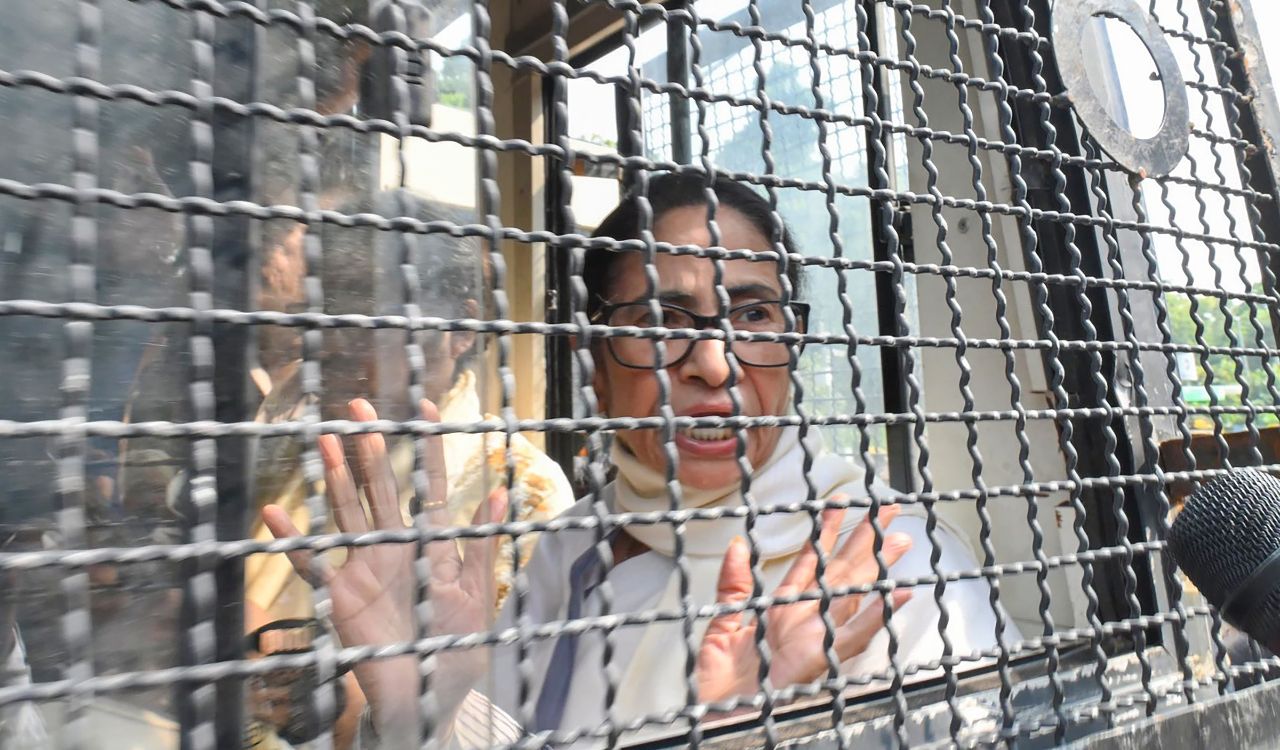
Weaponising the central investigating agencies to target political opponents and crush dissent has been a troubling trend over the past decade. The NDA government has been facing allegations of the blatant misuse of probe agencies to target its rivals. The ongoing political drama in poll-bound West Bengal, following multiple raids by the Enforcement Directorate (ED) on the offices of a political consultancy firm, I-PAC, is the latest instance of the blurring of the line between criminal investigation and electoral politics. While the timing of the ED’s action — coming just a couple of months before the Assembly elections — is very suspicious, the way the Chief Minister and Trinamool Congress supremo Mamata Banerjee is pitting the State police against the central investigating agency and turning the matter into a political stand-off is deeply problematic. Despite occupying a responsible constitutional position, Banerjee often displays a propensity to hit the streets and lead the protest rallies against her political opponents — in this case, the BJP. What should have been a routine legal process has now spiralled into a Centre-State confrontation, raising concerns that go well beyond West Bengal. On January 8, the ED conducted raids on the offices of I-PAC, the political consultancy firm engaged by the TMC since 2019, in Kolkata and Delhi, and also the residence of its director, Pratik Jain. The ED insisted that its searches under the Prevention of Money Laundering Act (PMLA) are part of a probe into an alleged coal smuggling racket.
While I-PAC is suspected of receiving hawala funds, the TMC has, however, accused the central agency of crossing a red line by seizing party campaign material that has nothing incriminating about it. The ruling party has also accused the ED of trying to access confidential documents and data related to its election campaign in the garb of the raids. Going a step further, Banerjee sought to play to the gallery when she landed at the raid sites in a rally and allegedly obstructed the ED probe. In such a surcharged political atmosphere, investigative agencies cannot discharge their duties in a professional manner. At the same time, the ED’s expanding footprint in Opposition-ruled States has fuelled allegations of selective action. There is a ring of truth in the allegations that the NDA government has been using central agencies as political tools to harass political opponents. Between 2015 and 2025, the ED registered 5,892 cases for investigation, of which only 1,398 — amounting to just 24%— ever made it to courts and trials had begun in only 300 cases — barely 5%. The ball is now in the Calcutta High Court, which will scrutinise both the ED’s conduct and the Chief Minister’s actions. There is a need for judicial guidance on the limits of search and seizure by the central agencies, particularly involving political material. This would help in preventing any misuse in the future.

Related News