Editorial: Climate battle gets tougher
India’s updated NDCs, aiming for 60% non-fossil power capacity by 2035 and deeper emissions cuts, boost clean energy ambition, but challenges remain steep
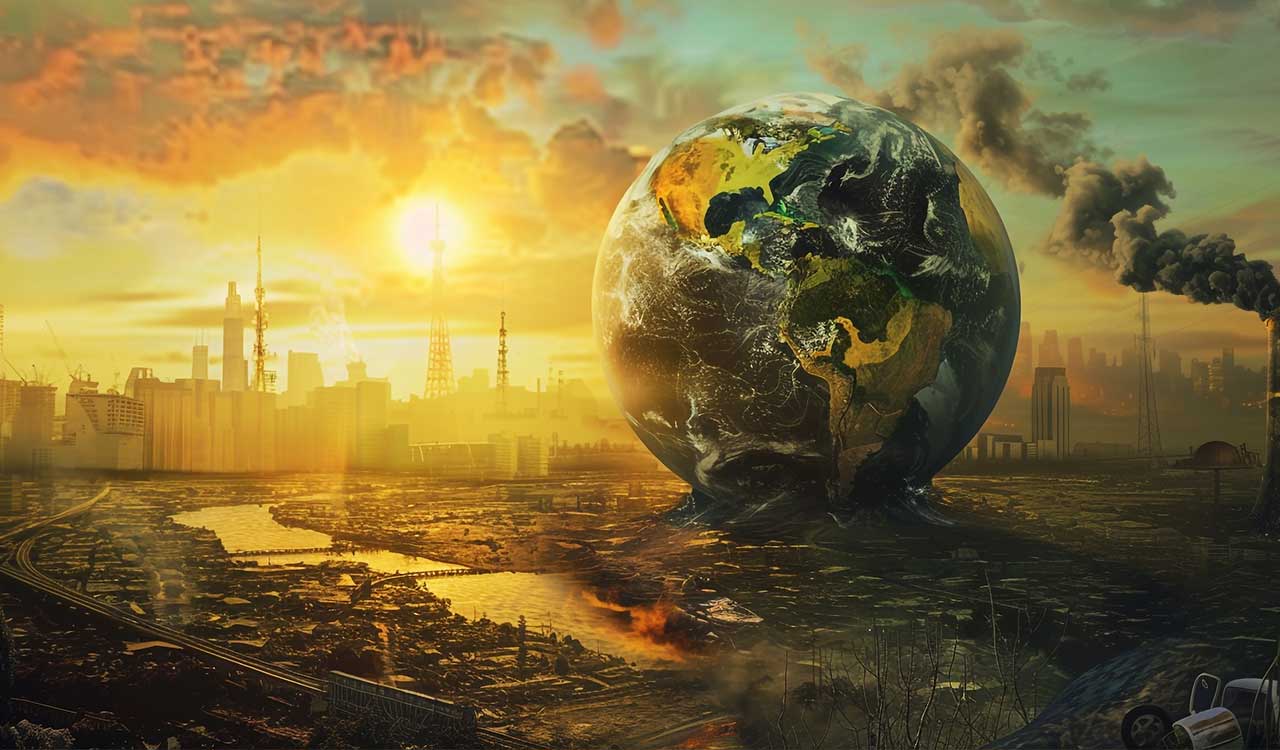


Despite considerable progress in renewable energy, India continues to depend on coal to meet its energy requirements. This makes phasing out fossil fuels a daunting task, requiring massive investments and the adoption of innovative technologies. The Union Cabinet recently approved the updated targets on tackling climate change that are quite ambitious. A new set of Nationally Determined Contributions (NDCs) — voluntary climate targets submitted by the member countries to the United Nations — has been cleared, promising that at least 60% of the country’s electricity installed capacity would come from non-fossil fuel sources by 2035, up from the 50% target it had set for 2030. India has also promised to attain at least a 47% reduction in emissions intensity or emissions per unit of GDP, on 2005 levels, which is two percentage points more than its current target of 45% for 2030. It has been targeted to create a carbon sink that is at least 3.5-4 billion tonnes of CO2-equivalent, larger than what existed in 2005. This highlights the importance of afforestation and ecosystem restoration in climate mitigation. The new climate targets signalled that India remains committed to the clean energy pathway, despite developmental issues. However, there are many challenges ahead. Scaling up renewable energy requires huge investments in grid modernisation, energy storage solutions, and grid flexibility to handle intermittent supply. Expanding forest cover at the required scale poses land-use and ecological challenges. There is also a need to overcome infrastructure gaps and secure affordable clean energy technologies.
India’s status as a lower-middle-income country limits its financial and technological capacity. Besides, commitments such as infrastructure expansion, industrial growth, and poverty reduction require careful balancing with climate goals. By adopting realistic and achievable targets, India positions itself as a responsible global actor advocating climate justice. To achieve the goals, it needs to strengthen international cooperation for climate finance and technology transfer, promote sustainable land-use practices and afforestation initiatives, and integrate climate goals into national development planning for long-term sustainability. Under the 2015 Paris Agreement, every country is obligated to formulate and implement a set of climate actions that help the global fight against climate change. In the current scenario, global efforts to mitigate the climate change crisis are being stymied by the outright non-cooperation from the United States under President Donald Trump. His administration has abandoned renewables and is reinvesting money and efforts towards developing and controlling oil and gas resources. Such a reversal by the world’s second-largest producer and consumer of energy has major consequences for the fight against climate change. From the beginning, he has routinely ridiculed climate science as a scam and a hoax. The Trump Administration has been turning its back on the climate crisis since day one, withdrawing from the Paris Agreement and ending essential investments in the clean energy transition.

Related News