Editorial: Counting castes, a step towards inclusive India
A caste-based population count is essential to ensure fair distribution of benefits and advance true social justice



It would be naïve to assume that India has overcome the caste divide. The harsh reality is that the country remains a deeply unequal society with caste continuing to play a powerful role in shaping access to opportunity. Therefore, a population count that takes caste into account is an essential tool to ensure social justice, an ideal that every political party in the country vouches for. At last, the government has set the ball rolling for the most complex statistical exercise ever undertaken: a national census that includes counting castes. The two-phase mammoth task, beginning April 1, has several firsts to its credit. This is the first time since 1931 that nationwide caste enumeration is being undertaken. It is also the first fully digital exercise, with enumerators using mobile applications to record responses, making the process more efficient and less prone to errors. Also, citizens will have the option to self-enumerate by visiting the official portal and submitting their details digitally. The digital format also enables faster data processing and analysis, helping policymakers access updated information more quickly. Another unique feature of the year-long exercise is that live-in couples, who consider their relationship a “stable union”, will be counted as a married couple. The inclusion of caste in the nationwide census — delayed from its original 2021 timeline due to the Covid-19 pandemic — is a welcome development. It marks a vital step towards evidence-based policymaking aimed at building a more just and inclusive India.
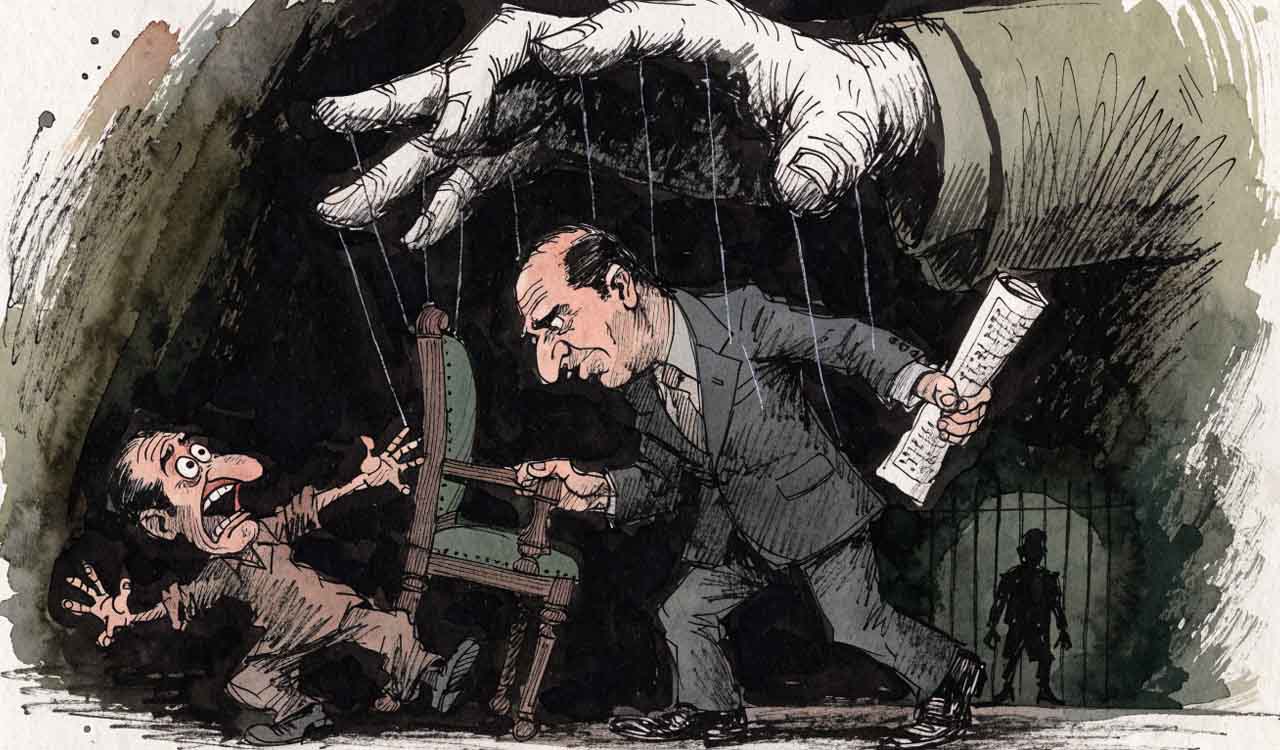
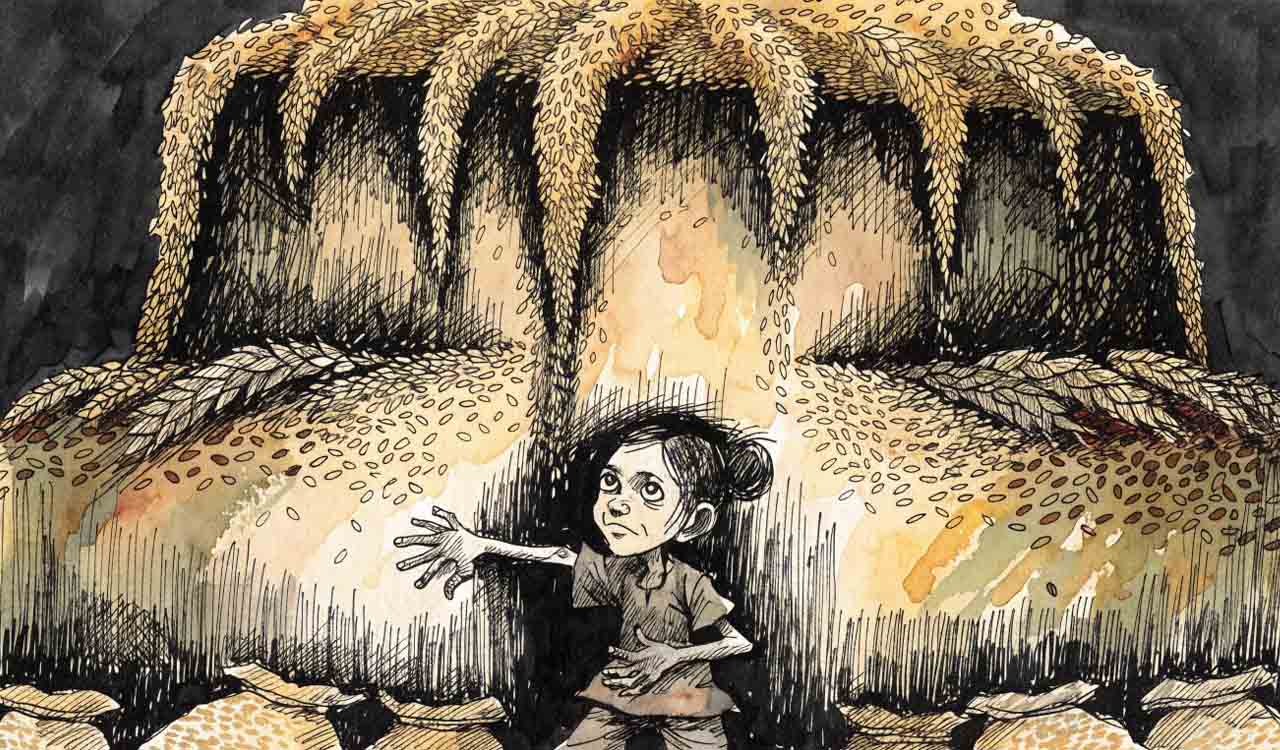
After much dilly-dallying, the NDA government approved the inclusion of caste in the national census in April last year. The previous UPA government did conduct a national caste survey in 2011, but the full results were never made public. While some States, such as Bihar and Karnataka, have already conducted caste-based surveys, this national initiative aims to create uniform, standardised, and legally supported caste data to aid welfare policies and reservation decisions. According to submissions made by the Centre to the Justice G Rohini Commission, just 10 OBC castes cornered 25% of all public jobs and education seats reserved for OBCs, while a quarter of OBC castes secured 97% of the benefits. Shockingly, 38% of OBC castes received only 3% of the benefits, and another 37% got nothing at all. In such a scenario, caste enumeration is crucial to prevent the elite among the backward classes from cornering all the benefits. It will enable rational sub-categorisation within social groups, and allow a more precise definition of the “creamy layer”. On a broader note, the caste census should not be allowed to ossify social divisions, but should instead be used to better target the benefits of affirmative action. The census plays a critical role in shaping government policies, allocating resources, and planning development programmes. Updated population data helps authorities make informed decisions on infrastructure, healthcare, education, and welfare schemes.
Also Read

Related News