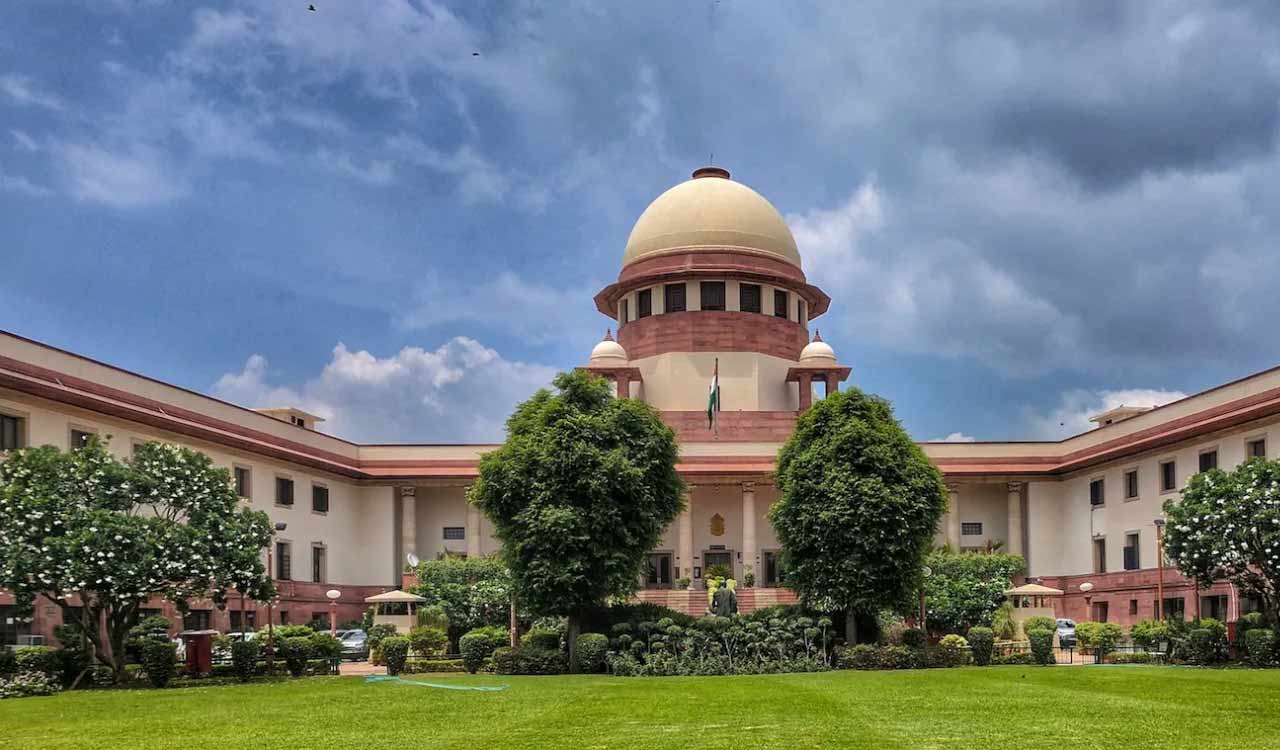
Editorial: India’s undertrial crisis demands urgent prison reforms
The Supreme Court’s recent observation that “incarceration without trial amounts to punishment” highlights the urgent need for bail reforms, faster trials, and consistent protection of personal liberty


An alarming 70% of India’s prisoners are undertrials — most of them languishing in jails for periods beyond the prescribed punishment applicable for cases they are charged with. This exposes serious lacunae in the criminal justice system. No wonder India’s prisons are largely overcrowded. The sub-human conditions in several prisons often drive many undertrials to suicide. Several studies have suggested that delays in investigation, a shortage of judges, and lack of access to legal aid due to poverty are the main reasons why undertrials end up spending a long time in prisons. There are 3.6 crore pending criminal cases in district courts, 17.5 lakh cases in high courts and 14,667 cases in the Supreme Court. The seriousness of the problem can be gauged from the fact that the judge-to-population ratio in India is estimated at 21 judges per million people, which is less than half of what the Law Commission recommended in its 120th report. Against this backdrop, the apex court’s recent observation that “incarceration without trial amounts to punishment” must serve as a wake-up call for policymakers to take up prison reforms. The Supreme Court made some scathing observations while granting bail to an accused who spent two years in jail awaiting trial. The court has rightly reaffirmed a foundational principle: liberty cannot be held hostage to procedural delays. Earlier in March, the Delhi High Court gave bail to two men accused in a case under the UAPA (Unlawful Activities Prevention Act), observing that they had already been behind bars for over four years.
The High Court bench stated that, in view of the “limited role” of the appellants in an alleged terror plot, their continued detention would not serve the ends of justice. However, these decisions are exceptions. In most cases, courts routinely allow pre-trial detention to continue for years, even when the trial is nowhere in sight. These inconsistencies raise a deeper constitutional question: is personal liberty a non-negotiable guarantee or a variable principle contingent on the nature of allegations? The Indian penal system appears tilted towards detention rather than case resolution. If bail is denied on account of the gravity of the charges, the state bears an even greater responsibility to ensure swift trials. Otherwise, pre-trial detention itself becomes punishment. The Supreme Court has rightly identified the problem. The challenge now lies in applying that principle uniformly. Without consistency, personal liberty risks being reduced from a right to a matter of discretion. The absence of a comprehensive law governing the grant of bail is causing confusion and delays in the administration of justice. The government must revisit outdated bail practices, encourage personal recognisance bonds and leverage technology for tracking released individuals. Seeing no visible progress on its past directives regarding the plight of undertrials, the Supreme Court had, in September 2014, issued a series of strictures to various institutions managing the country’s criminal justice system.
Also Read

Related News