Editorial: Iran-Pak conflict must end
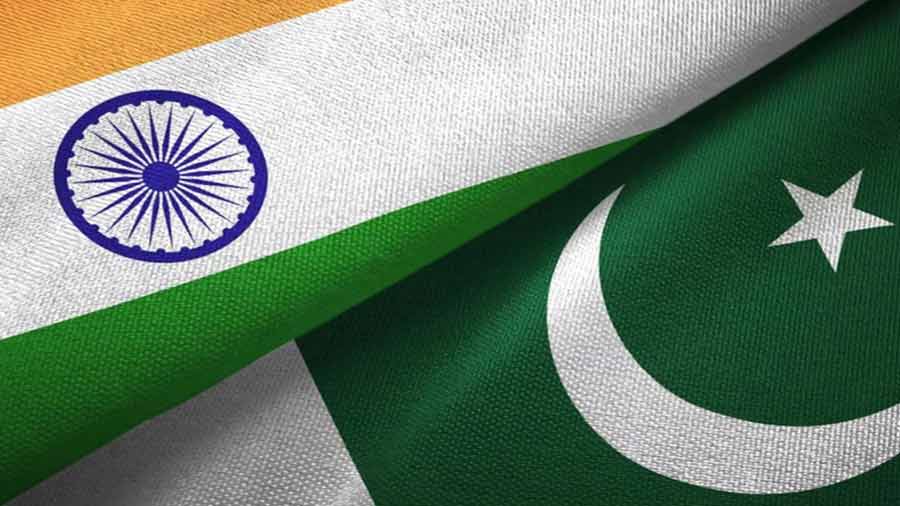
Iran-Pakistan conflict points to a changing region that will demand India to rethink its security in Middle East
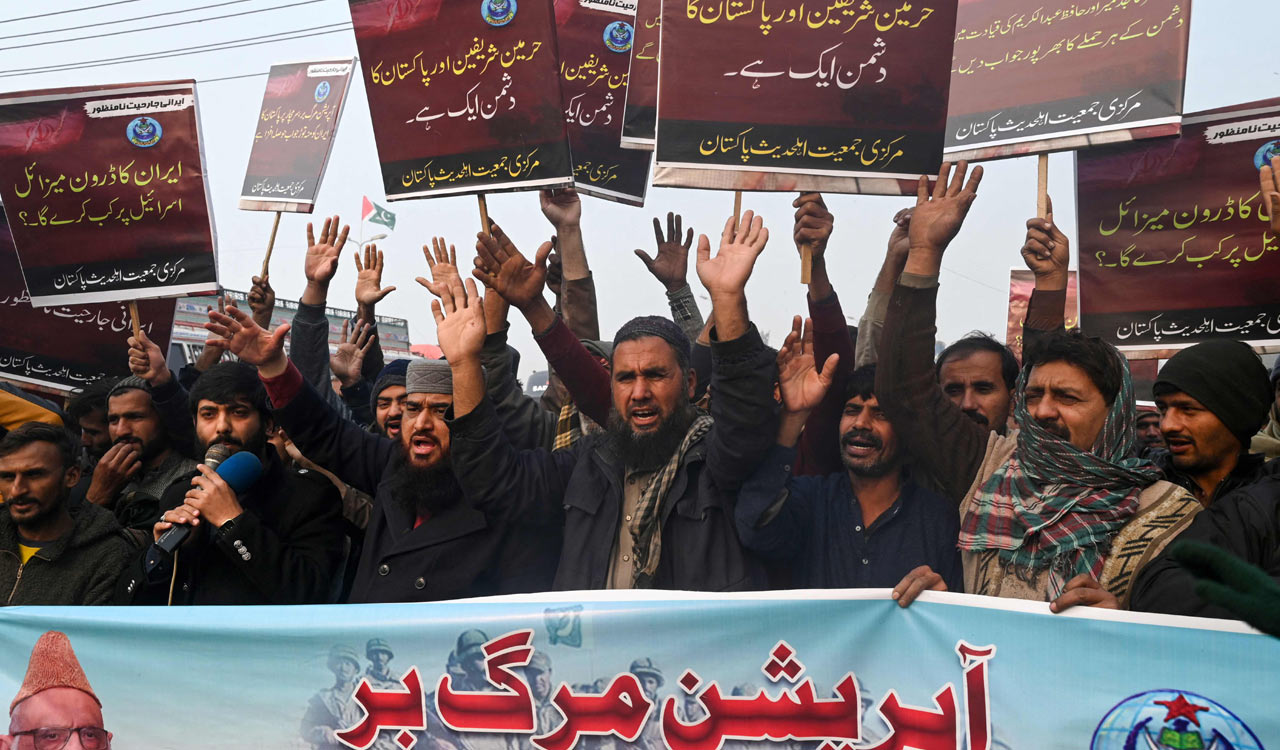


The tit-for-tat missile and drone attacks by Iran and Pakistan deep into each other’s territory have exposed the fault lines in the security scenario of the region and marked a new low in their bilateral relations. The unprecedented escalation of tensions between the two neighbours also means that the ongoing conflict in the Middle East is bound to expand to other regions with far-reaching consequences. The current round of confrontation was triggered by Iran launching missile attacks, targeting the hideouts of a Sunni extremist group, Jaish ul-Adl (JuA), fighting to break away from Iran’s South-eastern province of Sistan-Baluchestan. Islamabad’s retaliatory attacks targeted the purported Pakistani Baloch separatist sanctuaries inside Iran. This is the first time that Tehran has used sophisticated weapons and hit deep inside Pakistan. It has long been issuing warnings to Pakistan against the activities of JuA, which had claimed responsibility for the killing of 27 Islamic Revolutionary Guards, Iran’s elite commando force, in a suicide bomb attack in February 2019. Though Pakistan claims that terrorism is a common threat to all countries in the region, it is not doing enough to end the menace and gain credibility among its neighbours, including India. Having incurred the wrath of Iran — long regarded by the US and its allies as a rogue state — Pakistan finds itself sinking deeper into the mire. This is the third time since 2011 that a foreign power has staged an attack deep inside Pakistan — after the US operation to take out Osama bin Laden, and India’s Balakot strike —, showing its military in poor light.
Ironically, both Iran and Pakistan have gained notoriety for harbouring terrorists on their soil or encouraging proxy wars in other countries. But, they keep playing the victim card before the international community. In fact, Iran carried out similar strikes in Syria and Iraq last week and the action against Pakistan could be part of a larger muscle-flexing in the light of the Israel-Hamas war spreading to other parts of West Asia. Tehran is already involved in multiple proxy wars in the turbulent region. Neither Iran nor Pakistan can now afford an escalation of this conflict. Both sides need to act with maturity. Already, Pakistan has volatile and militarised borders with India and Afghanistan, and is mired in a deep economic crisis. Beyond the present tensions, governments and armies need to cease their support for terrorism. In the long run, addressing the concerns of disaffected minorities in the region will help tackle the challenge posed by violent separatist movements. The Iran-Pakistan conflict points to a changing region that will demand India to rethink many of its past assumptions about security in the Middle East. The fragility of the Baloch frontier connecting South Asia and the Gulf, China’s strategic presence in Balochistan, and its growing role in the Gulf are matters of deep concern for India.

Related News