Editorial: National drive needed for organ donation
India battles the dual challenge of encouraging voluntary donation while maintaining strict legal oversight
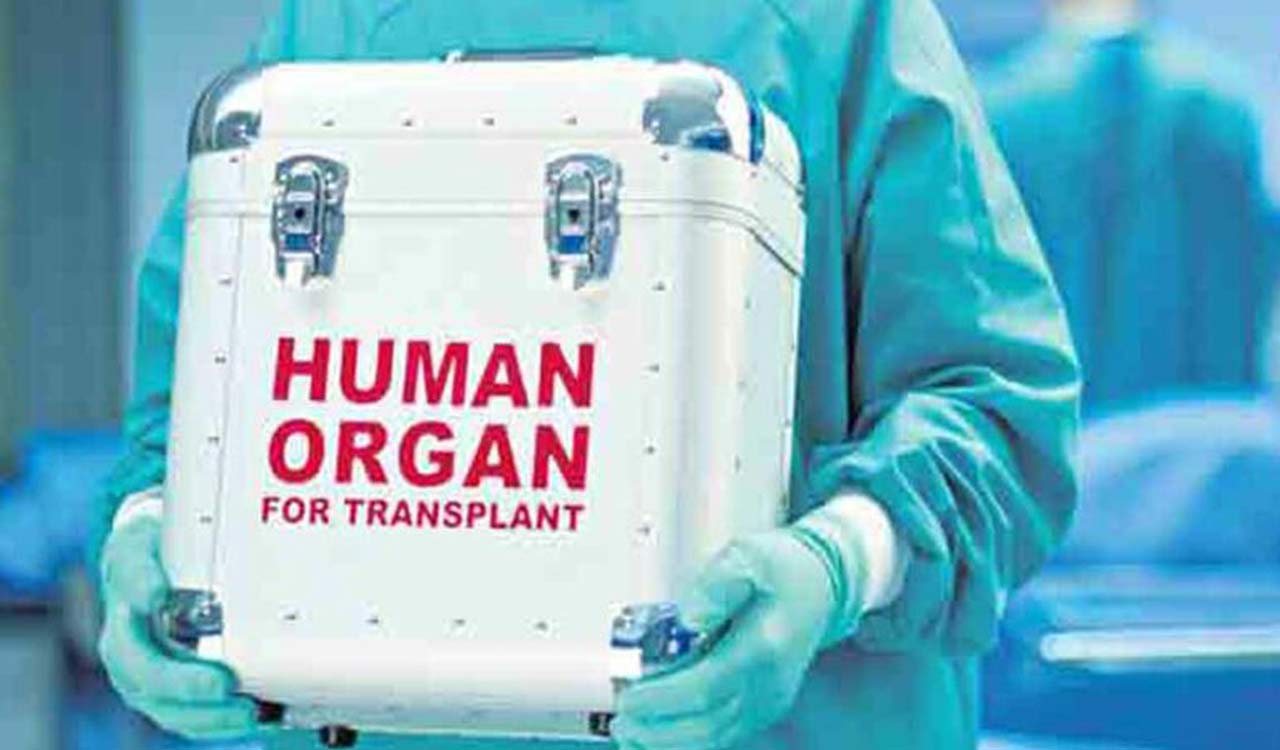


In her death, a ten-month-old infant from Kerala gave a gift of life to four patients and became a beacon of hope. The baby girl was declared brain-dead after a tragic road accident. Her grieving parents made an agonising but bold choice by consenting to donate her organs so that others might live. This commendable gesture has brought into focus the state of organ donation in India and the ethical, legal, and legislative issues involved in it. Despite decades of public awareness drives, organ donation in India has remained at a very low level. Apart from infrastructure challenges and regulatory limitations, cultural practices and social stigmas have been the major hurdles in promoting organ donation to save lives. As a result, the country is unable to bridge the wide gap between the number of patients in need of organs and the availability of organ donors. India’s organ donation rate is just 0.9 donors per million people, compared to over 30 in countries like Spain. This mismatch leads to lakhs of patients dying each year waiting in vain for transplants that never occur, even as many viable organs go unused. India recorded nearly 18,900 organ transplants in 2024, driven mainly by living-donor kidney transplants, while deceased donation numbers remain a small fraction. India battles the dual challenge of encouraging voluntary donation while maintaining strict legal oversight under statutes such as the Transplantation of Human Organs and Tissues Act. Authorities track legal donation and transplants through registries, public awareness campaigns, and coordinated hospital networks — but progress remains uneven.
Even in countries with robust donation systems — such as the United States or much of Europe — waiting lists vastly outnumber available organs, and waiting times stretch for years. This shortfall has driven ethical debates and legislation promoting donation, including “opt-out” policies in several European Union nations where adults are presumed donors unless they register otherwise. In India, over 1.8 lakh renal failure cases are reported annually, but only 6,000 transplants occur, with a donation rate under 1 per million against a need for 65 per million. The country requires nearly one lakh corneas annually, yet only about one-third of this demand is being met. Unfortunately, many hospitals, especially in smaller towns, lack transplant coordinators, trained ICU staff and even the basic infrastructure to preserve and transport organs. There is a need for substantial investment in these areas. Myths, fear and misinformation still surround the idea of organ donation. Awareness campaigns must shift from token observances to sustained, empathetic outreach that normalises donation as an act of compassion, not sacrifice. A coordinated national effort, blending policy with empathy, is the need of the hour. A single donor has the potential to save nine lives. Tissues such as corneas, skin, bones, and heart valves can be harvested from brain-stem-death cases, cardiovascular deaths in hospitals, or natural deaths, typically within 10 hours post-mortem.
Also Read

Related News