Editorial: VB-GRAM G — burdening States in the garb of reforms
The NDA government has created greater policy confusion and shifted an additional burden of responsibility onto the States through the rollout of the VB-GRAM G scheme
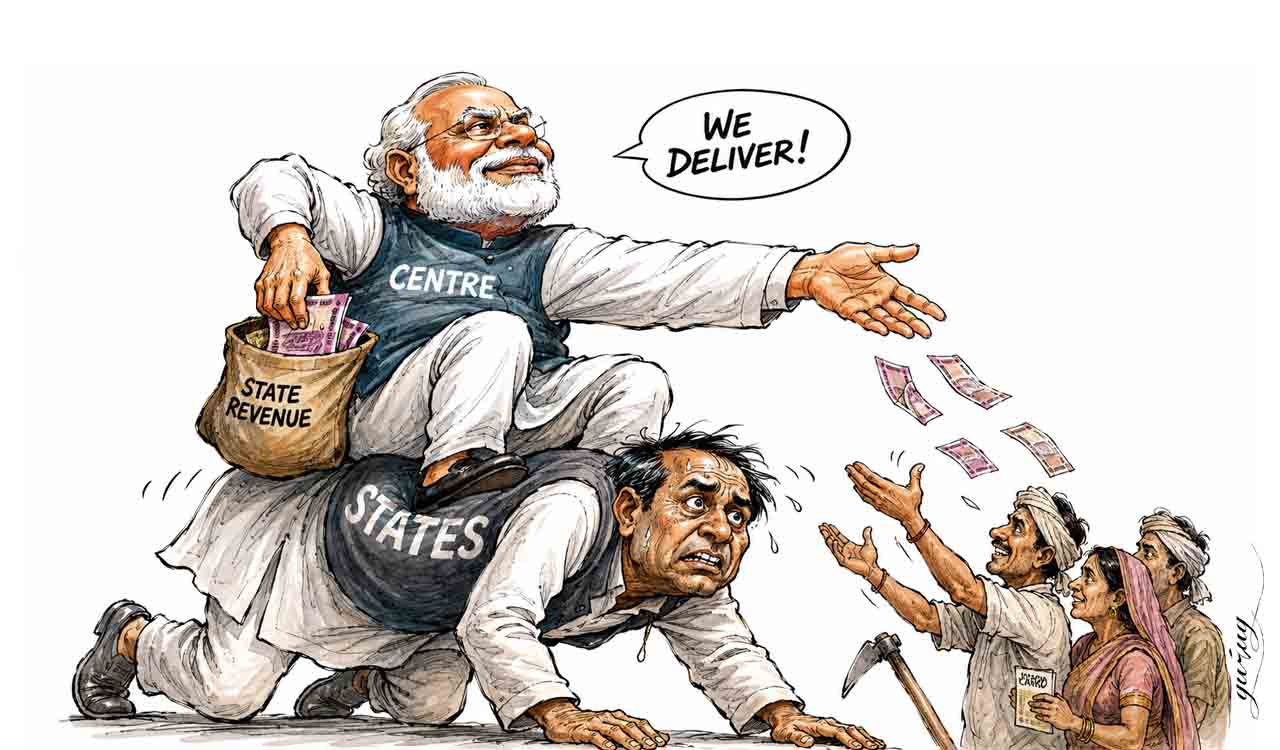


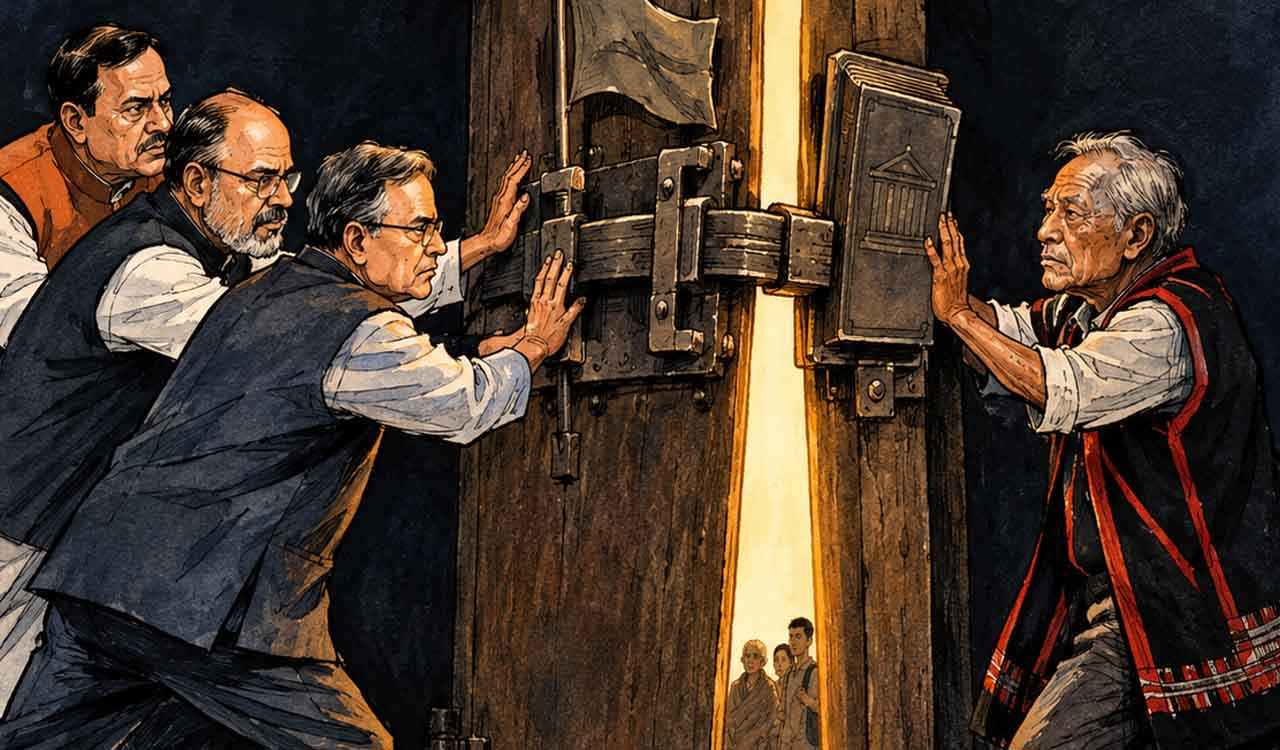
In the name of overhauling the national rural employment guarantee scheme, the NDA government has created more confusion and imposed an additional burden of responsibility on the States. The Viksit Bharat–Guarantee for Rozgar and Aajeevika Mission (Gramin) (VB-G RAM G), replacing the two-decade-old Mahatma Gandhi National Rural Employment Guarantee Act (MGNREGA), has been rolled out without adequate consultation and without addressing the concerns of stakeholders. Passed in December 2025, the VB-GRAMG Act came into effect from July 1 this year. The initial feedback from the States is discouraging, to say the least. It is seen as weakening the scheme through a new delivery architecture, particularly the shift away from demand-based allocation of labour budgets to ‘normative’ allocations by the Centre to State governments, along with a higher requirement for State contributions of up to 40% of the budget. While MGNREGA, formulated by the UPA government, was a rights-based law that legally entitled rural households to demand work, VB-G RAM G shifts towards a centrally designed mission emphasising asset creation, digital monitoring, and administrative performance. There is no doubt that the welfare scheme required reform, but the question being asked now is whether the reform in the present form has strengthened the rural safety net or weakened its very foundation. Despite certain flaws in implementation, the earlier scheme had served as a beacon of hope for the rural poor, but the revamped one has raised legitimate concerns over the future of the rights-based guarantee law. The most important fallout is that the States would be burdened more.
The government argues that the new scheme will improve efficiency and productivity, but critics point out that a legally enforceable guarantee is gradually being replaced by a programme whose success depends increasingly on administrative discretion. Instead of building upon the legal strengths while fixing operational weaknesses of the earlier scheme, the Centre has chosen an entirely new architecture whose long-term effectiveness remains untested. The financial restructuring is equally contentious. Although the Centre has announced an overall package exceeding Rs 1.25 lakh crore, the new scheme transfers substantially greater financial responsibility to State governments through a 60:40 Centre-State funding pattern. A programme that once depended overwhelmingly on central financing will now require States to contribute far more despite strained fiscal conditions. It is, therefore, no surprise that several States have raised objections, as they face an uncomfortable choice: absorb higher expenditure or risk weakening rural employment at a time when economic distress continues. The fear is that the new framework would end up replacing a rights-based guarantee law with a conditional, centrally controlled scheme. MGNREGA’s bottom-up demand-based employment approach, guaranteeing 100 days of work per household by legislation, has been replaced by an allocation-based scheme, where the Centre will be at liberty to alter and determine the quantum of allocations.
Also Read

Related News