High Court continues hearing on Ghose Commission report
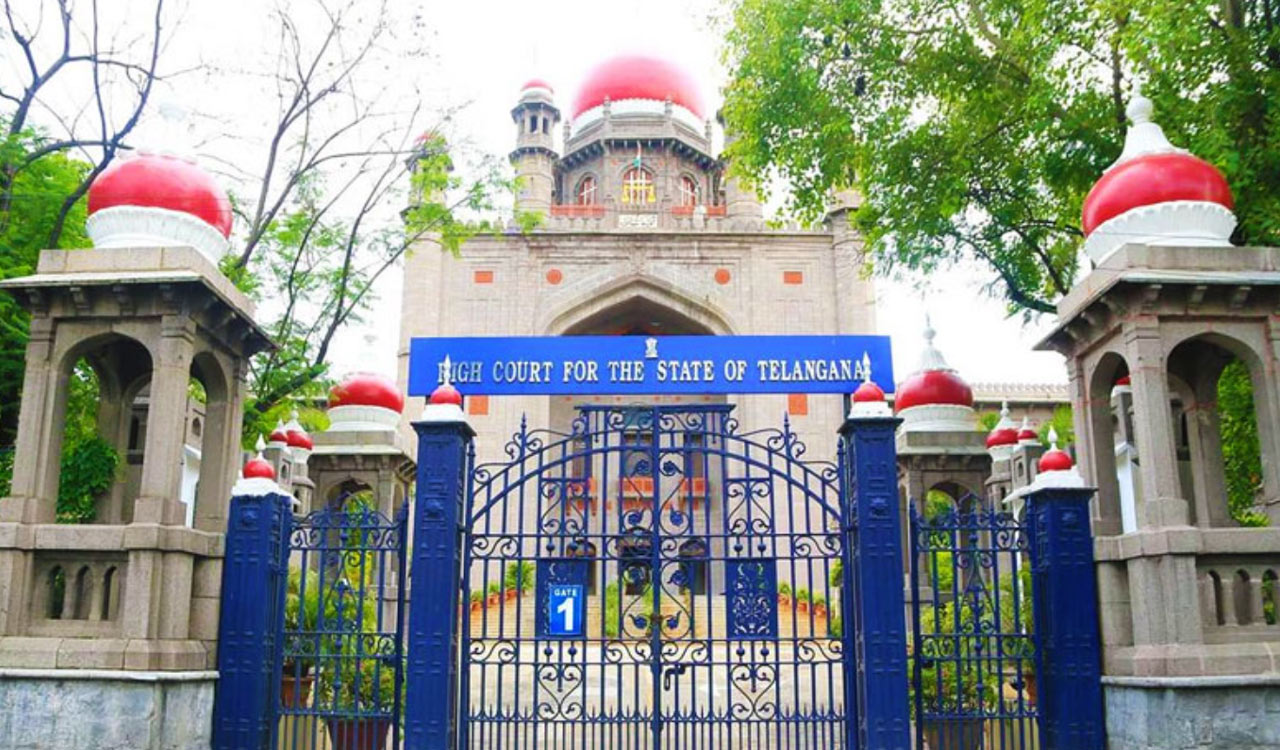
The Telangana High Court continued the final hearing on petitions filed by K Chandrashekar Rao and others seeking quashing of the Ghose Commission report on Kaleshwaram project irregularities. Petitioners argued that the inquiry violated mandatory legal procedures.


By Legal Correspondent
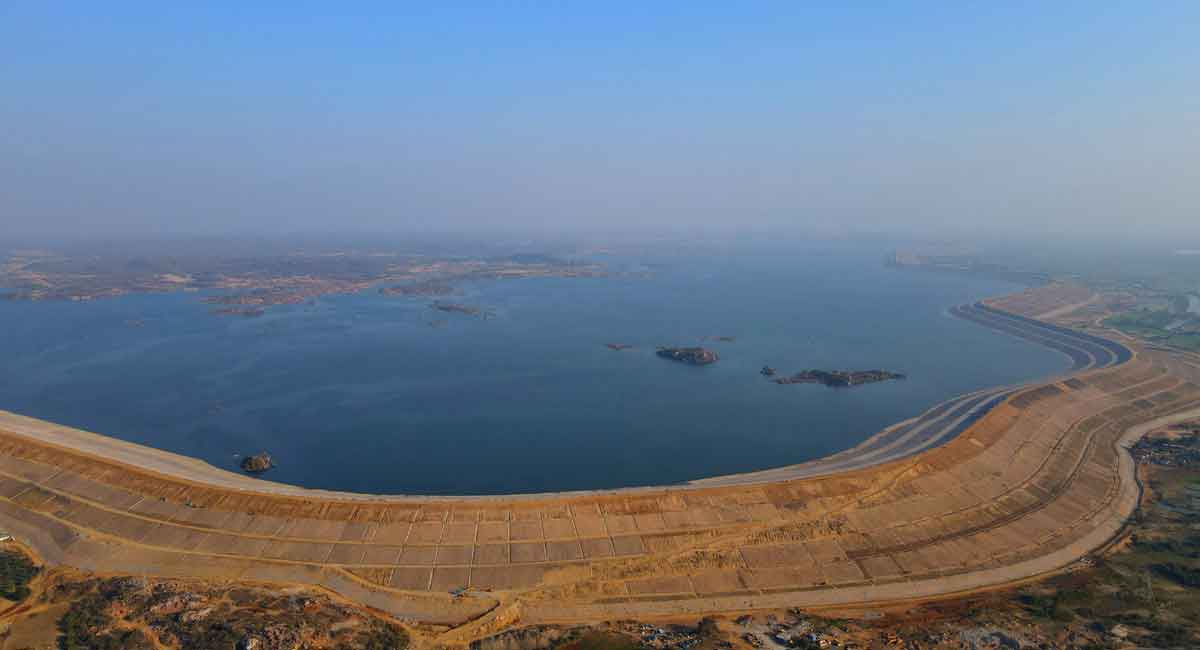
Hyderabad: Chief Justice Aparesh Kumar Singh and Justice G M Mohiuddin of the Telangana High Court on Friday continued the final hearing in a batch of writ petitions filed by former Chief Minister K Chandrashekar Rao, former Minister T Harish Rao, senior IAS officer S K Joshi and IAS officer Smita Sabharwal, seeking quashing of the report submitted by the Justice P C Ghose Commission on alleged irregularities in the Kaleshwaram Lift Irrigation Project.
Senior Advocate Dama Seshadri Naidu, appearing for KCR, contended that the Commission failed to follow the mandatory procedure prescribed under the Commissions of Inquiry Act, thereby rendering the report legally unsustainable. He argued that the petitioners were summoned only as witnesses and were never informed of any specific allegations against them.
According to the petitioners, the notices issued by the Commission merely required them to appear and furnish information known to them, without disclosing accusations or indicating that adverse findings could be recorded. It was argued that they were denied a fair opportunity to defend themselves, including the right to engage counsel, present arguments, or cross-examine witnesses whose statements allegedly formed the basis of the findings.
Counsel submitted that no notices under Sections 8B and 8C of the Commissions of Inquiry Act were issued, though the report contains observations affecting their reputation and public standing. Emphasising the consequences of such findings, counsel argued that while professions like medicine or law depend on certification, a politician’s credibility rests on reputation, and the report has caused serious prejudice without due process.
Counsel appearing for S K Joshi and Smita Sabharwal put up similar arguments, stating that both officers participated in the proceedings only as witnesses and were never called upon to answer any allegations. They contended that the Commission could not record adverse conclusions without first granting procedural safeguards mandated by law.
Reliance was placed on Supreme Court judgments, including those in the cases of Lal Krishna Advani, Kotla Vijayabhaskar Reddy and Kiran Bedi, to argue that findings affecting an individual’s reputation cannot be sustained in the absence of compliance with principles of natural justice. After hearing the petitioners’ arguments, the Bench adjourned the matter to Monday for submissions on behalf of the State.

Related News
-

Hyderabad to Get Additional 20 MGD Drinking Water from Mallannasagar in November
-
Telangana High Court Hears Plea Against ECI’s SIR Voter Notice Process
-
Telangana High Court Reserves Order on IAS Officer Amrapali’s Cadre Allocation Plea
-
Bandi Sanjay’s son moves Telangana HC to restrain media, social platforms over POCSO case