Malaria: A preventable and treatable mosquito-borne illness
Malaria is a life-threatening disease caused by parasites that are transmitted to people through the bites of infected female Anopheles mosquitoes.
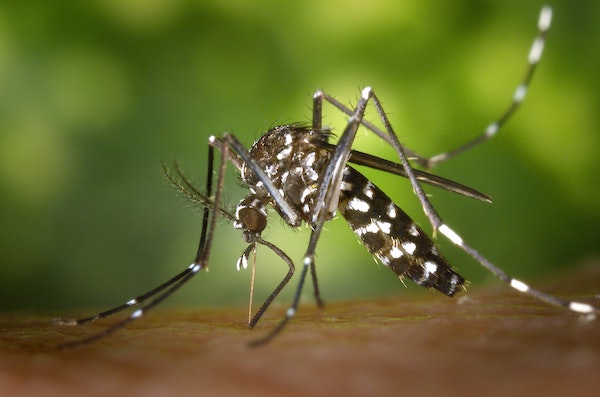


Malaria is a disease caused by a parasite. The parasite is spread to humans through the bites of infected mosquitoes. People who have malaria usually feel very sick with a high fever and shaking chills.
Malaria is a life-threatening disease caused by parasites that are transmitted to people through the bites of infected female Anopheles mosquitoes. It is preventable and curable. In 2019, there were an estimated 229 million cases of malaria worldwide. The estimated number of malaria deaths stood at 409 000 in 2019.
Symptoms
Malaria is caused by a single-celled parasite of the genus plasmodium. The parasite is transmitted to humans most commonly through mosquito bites. Signs and symptoms of malaria may include:
• Fever
• Chills
• General feeling of discomfort
• Headache
• Nausea and vomiting
• Diarrhea
• Abdominal pain
• Muscle or joint pain
• Fatigue
• Rapid breathing
• Rapid heart rate
• Cough
Causes
Malaria is caused by a single-celled parasite of the genus plasmodium. The parasite is transmitted to humans most commonly through mosquito bites.
Mosquito transmission cycle
• Uninfected mosquito. A mosquito becomes infected by feeding on a person who has malaria.
• Transmission of parasite. If this mosquito bites you in the future, it can transmit malaria parasites to you.
• In the liver. Once the parasites enter your body, they travel to your liver — where some types can lie dormant for as long as a year.
• Into the bloodstream. When the parasites mature, they leave the liver and infect your red blood cells. This is when people typically develop malaria symptoms.
• On to the next person. If an uninfected mosquito bites you at this point in the cycle, it will become infected with your malaria parasites and can spread them to the other people it bites.
Risk factors
The greatest risk factor for developing malaria is to live in or to visit areas where the disease is common. These include the tropical and subtropical regions of:
• Sub-Saharan Africa
• South and Southeast Asia
• Pacific Islands
• Central America and northern South America
Malaria may recur
Some varieties of the malaria parasite, which typically cause milder forms of the disease, can persist for years and cause relapses.
Prevention
If you live in or are traveling to an area where malaria is common, take steps to avoid mosquito bites. Mosquitoes are most active between dusk and dawn. To protect yourself from mosquito bites, you should:
• Apply insect repellent to exposed skin. The recommended repellent contains 20-35% percent N,N-Diethyl-meta-toluamide (DEET).
• Wear long-sleeved clothing and long pants if you are outdoors at night.
• Use a mosquito net over the bed if your bedroom is not air-conditioned or screened
Vaccine
A vaccine against malaria has shown promise in early clinical trials, raising hopes that it might one day prove to be an effective weapon against one of the world’s biggest killers of children.
In a trial in 450 children aged 5–17 months, the vaccine, called R21, was up to 77% effective at preventing malaria over the course of one year. The results are presented in a preprint posted on the server SSRN on 20 April1.

Related News