Namak risk ka! Indians are on a salt overload
On an average, Indians consume 3-10 gm of salt per day, with 45% of the population consuming over 5 gm a day, according to NIN. But the WHO recommendation is 5 gm, i.e. 1 teaspoon, of common salt per day


Hyderabad: What is the ideal amount of salt Indians need and how much are they taking on a daily basis?
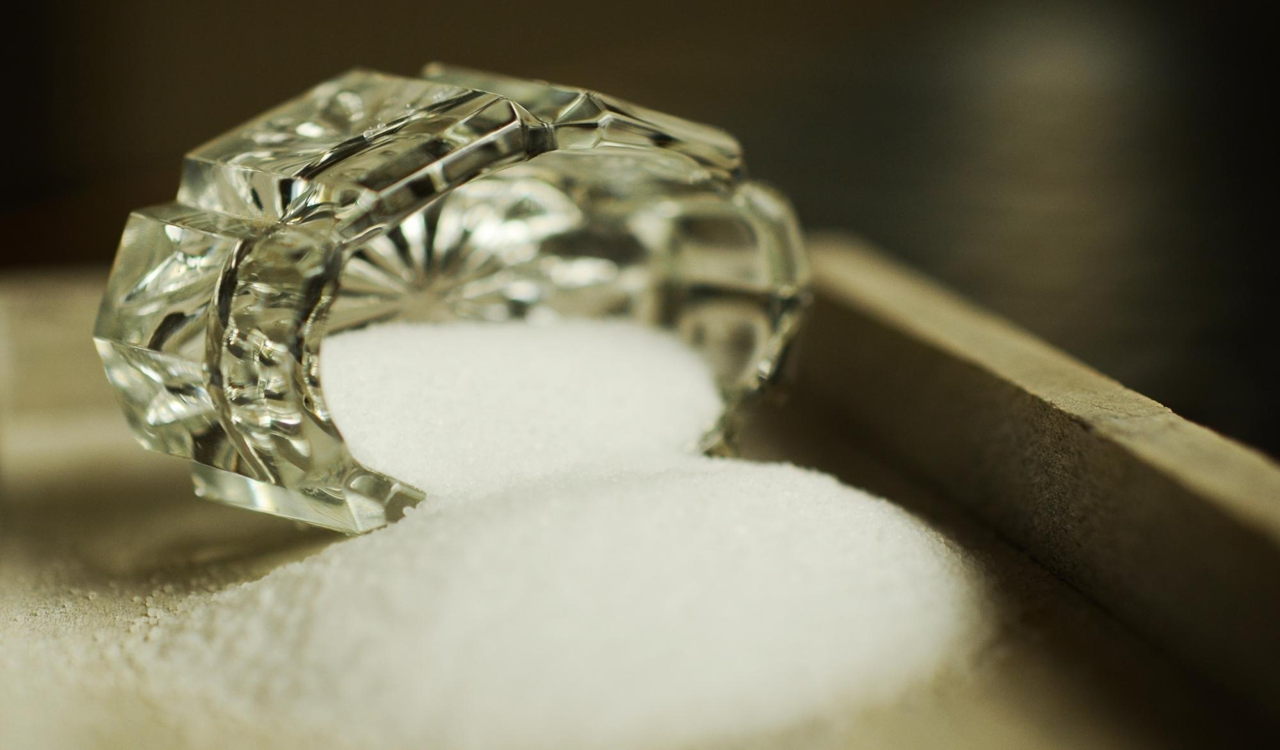
Well, the answer to this query is not encouraging! Indians consume a lot of salt than what is recommended, primarily due to excessive addition of salt during cooking and by consuming processed food.
All kinds of food naturally contain sodium and the average daily salt requirement for the body can be met by consuming recommended levels of vegetables and fruits per day. However, according to the National Institute of Nutrition (NIN), the contribution to total dietary intake from food sources is less than 10 per cent and a major amount comes from added salt either through cooking or processing.
Indian food intake data indicates that the average consumption of salt ranges from 3 gm to 10 gm per day in different States with about 45 per cent of the population consuming more than 5 gram per day, according to NIN. However, the current Indian as well as WHO recommendation for sodium intake is 5 gm (1 teaspoon) of common salt per day.
“The WHO recommendation has been reduced from 5 gm to 2 gm of salt per day, but the average consumption of salt among Indians is 9.8 gm per day per person in India. People in India must strive hard to limit salt consumption to reduce the risk of blood pressure and cardiovascular diseases,” says Dr Kiran Madhala, public health specialist and senior anesthesiologist at Gandhi Hospital.
Sodium intake can be restricted easily by changing food habits. Further, since taste for salt is an acquired habit, salt consumption should be restricted from an early age for health benefits in later life. The average salt intake for the body can be easily met by consuming the recommended level of vegetables (400 gm) and fruits (100 gm) per day. All foods contain sodium and its requirement can be met with minimal added salt intake, NIN said in its ‘Dietary Guidelines for Indians’.
Existing evidence reveals a deleterious impact of high salt intake on blood vessels, blood pressure, bones and gastrointestinal tract. There is a strong association between salt intake and blood pressure. Prevalence of hypertension is low in populations consuming less than 3 gm salt per day, the NIN dietary guidelines said.
Food For Thought
- Per day intake of salt among Indians varies between 3 gm and 10 gm
- On an average, 45% of Indian population consumes more than 5 gm of salt
- Latest WHO recommendations suggest that only 2 gm of salt intake per day per person
- Salt intake can be naturally met by consuming vegetables/fruits without adding table salt
- Cereals, pulses, vegetables, milk; animal and sea foods major sources of sodium
- Beans, lentils, bananas, dry fruits, coconut water are good sources of potassium
- High intake of salt is associated with high blood pressure, related vascular and heart diseases
- High intake of salt may also increase risk of stomach cancer

Related News
-

Go for Vitamin D3 over D2 for better heart health and muscle strength: NIN study
-
FSSAI proposes red warning labels for packaged foods high in sugar, salt and fat
-
WHO classifies three widely used medicines, including a common BP drug, as Group 1 carcinogens
-
Hyderabad’s LVPEI retains WHO collaborating centre status until 2030