Opinion: Withdraw Seeds Bill 2025, put farmers before corporations
The Draft Seeds Bill, 2025, erodes farmers’ rights, strips States of authority, and concentrates power in corporate hands


By Boianapalli Vinod Kumar
The Union government’s proposed Seeds Bill, 2025, raises serious concerns and deserves immediate reconsideration. Instead of strengthening India’s agrarian economy, the Bill threatens to weaken farmers’ rights, undermine seed diversity, and hand over disproportionate control to large corporate interests.
Also Read
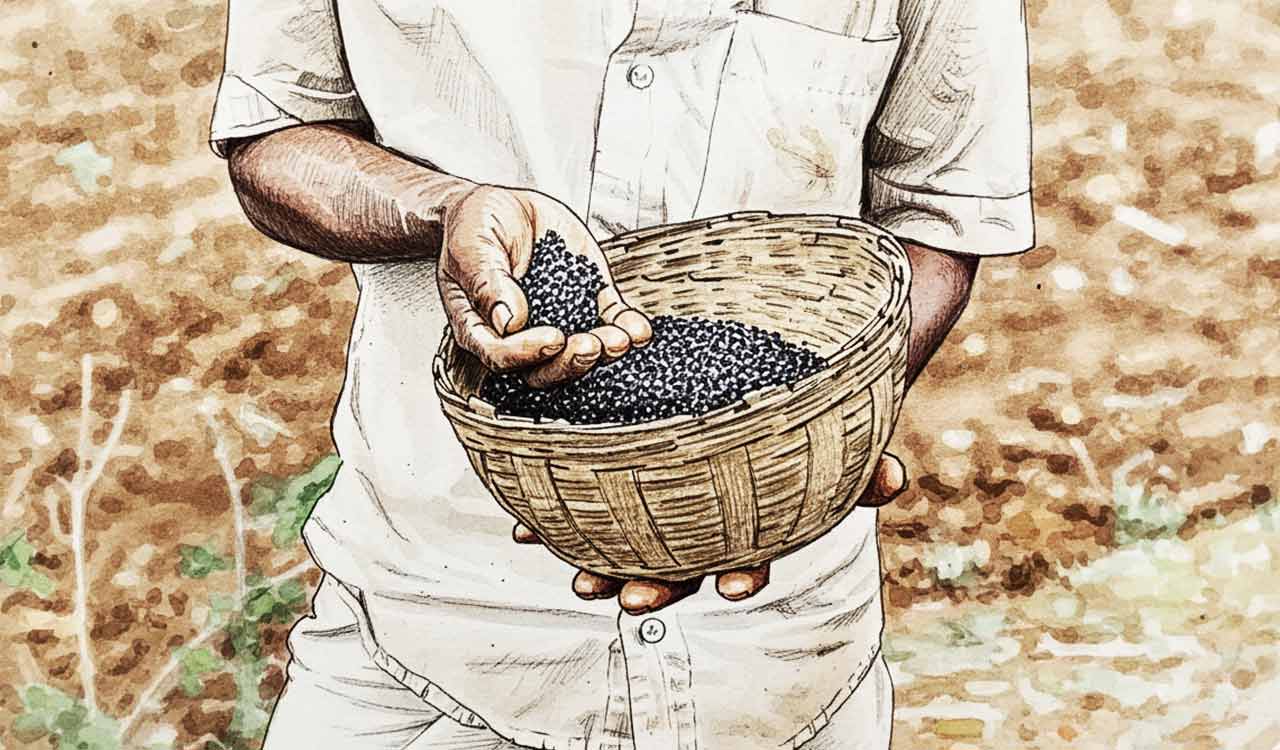
Seeds are the lifeblood of the country’s agriculture. The seeds in farmers’ hands are the foundation of tomorrow’s food security, biodiversity, and agricultural self-reliance. The draft Seed Bill, 2025, which is supposed to regulate this crucial sector, is currently facing severe criticism. Concerns are intensifying that this Bill deviates from fundamental principles such as farmer welfare, federal balance, and seed sovereignty.
The comprehensive submission presented to the government of India by the Bharat Rashtra Samithi (BRS) clearly highlighted the flaws in the proposed law. Considering Telangana’s experience, which has set new standards in agriculture through policies such as Rythu Bandhu, Rythu Bima, and large-scale irrigation projects, the central government’s proposed Bill appears to be contrary to a farmer-centric approach.
The BRS has previously demonstrated that both farmer welfare and regulation can go hand in hand through stringent seed control policies. Telangana has shown that it is possible to support farmers while simultaneously curbing corporate control. However, this Bill disregards that experience and moves towards handing over the agricultural sector to corporations in the name of ‘ease of doing business’.
A law without compensation – where is the justice for the farmer?
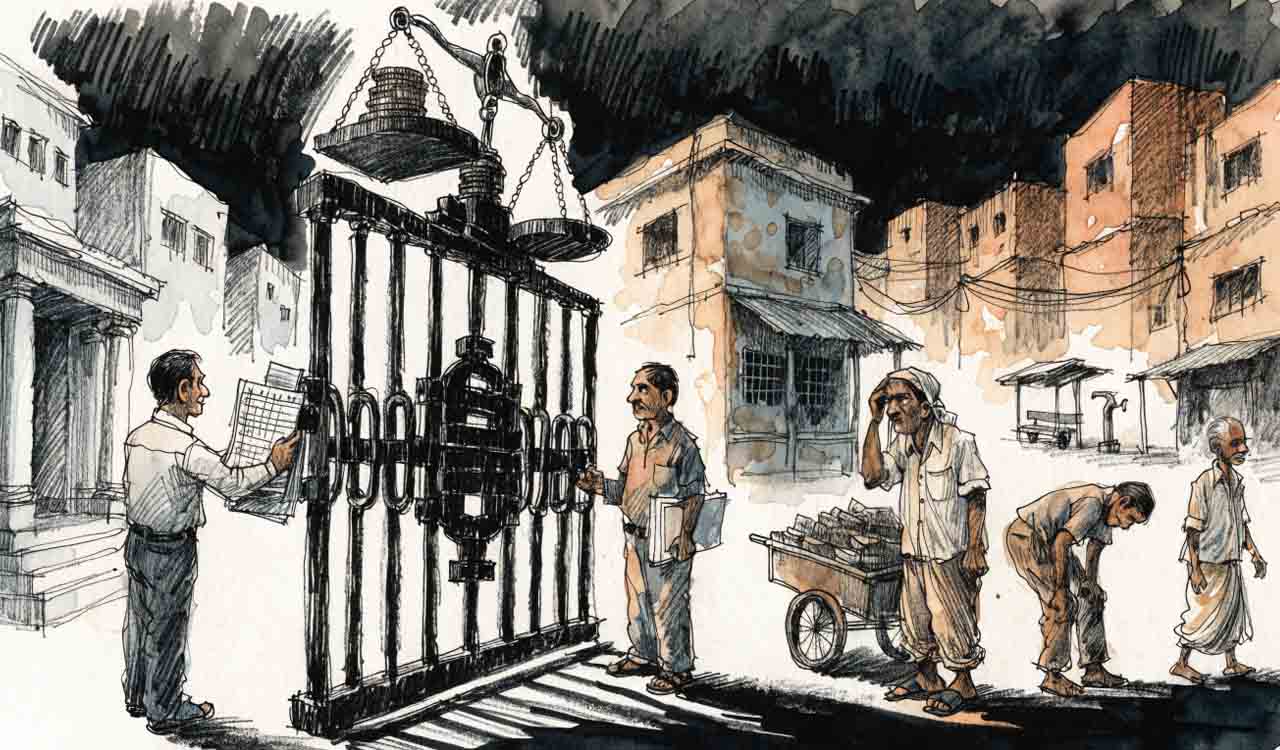
In India, millions of farmers have suffered crop losses due to the use of spurious seeds. Incidents where hundreds of tonnes of illegal seeds are seized are frequent. In such a situation, there is a great need for a law that provides justice to farmers. However, the most alarming aspect of this draft Bill is the lack of an immediate and legally mandated compensation system for farmers who suffer losses due to substandard seeds.
Unless the Bill is rebuilt around four non-negotiable pillars – farmer compensation, price control, strict seed-quality regulation, and a meaningful role for States – it will endanger, not strengthen, India’s agriculture
Previous proposals included provisions such as a compensation committee. The current draft forces farmers to resort to civil courts or consumer courts, which is impractical for small and marginal farmers. The system, where fines imposed on companies do not translate into compensation for farmers, allows corporations to evade responsibility.
Shackles on price control!
Seed prices directly affect farmers’ cultivation costs. Yet, this proposed Bill limits price control to “emergency situations only,” removing the authority that States previously held. Earlier, States could regulate prices based on local conditions. Without this authority, large seed companies may arbitrarily increase prices, raising cultivation costs and ultimately pushing farmers into debt traps.
Will the real culprits in quality control escape?
The Bill is also weak in terms of seed quality control. Inspections are primarily limited to retailers and transporters, while producers and processing units, who are the source of counterfeit seeds, escape responsibility. The problem of counterfeit seeds cannot be solved by placing the burden on farmers or small traders at the final stage, without taking action at the source of the problem. As a result, it is not the wrongdoers who face punishment, but rather the farmers and small traders.
Foreign certification – A threat to national security
Another key concern is giving foreign agencies the opportunity for seed certification and VCU (Value for Cultivation and Use) trials. India has diverse agro-climatic zones. If seeds are allowed without thorough testing, crop yields and biodiversity are likely to be jeopardised. Seeds are not merely commercial commodities; they are linked to food security.
Farmers’ rights and role of States – Diminishing assurance
Storing, using, and exchanging traditional seeds is a centuries-old tradition. The Protection of Plant Varieties and Farmers’ Rights Act, 2001, legally recognised these rights. However, these protections appear weakened in the latest Bill. Similarly, increasing central authority while reducing the role of States in matters such as pricing, certification, and licensing seems contrary to India’s federal structure.
Endangering Agriculture
The proposed Draft Seeds Bill, 2025, does not guarantee protection for farmers. By weakening price controls, paving the way for corporate dominance, and curtailing State powers, it is likely to endanger the future of agriculture. Any national law on seeds must begin and end with the farmer. Only if the Bill is restructured on four pillars – farmer compensation, price control, strict regulation of seed quality, and an appropriate role for the States – will it benefit the country’s agriculture. Otherwise, this Bill will inevitably weaken the very foundation of Indian agriculture.
The central government has the responsibility to answer this question: Can a law that does not guarantee compensation to farmers, weakens price controls, and has flaws in quality enforcement, truly strengthen the country’s agriculture? For whom is a law without compensation for farmers? For whose benefit is a system without price controls? Why is there an attempt to strip States of their powers?
If the Bill is approved in this form, tomorrow’s farmers will have to depend on the mercy of corporations even to buy seeds. This is not reform. This is an attack on farmers’ freedom. The central government should wake up, discuss this Bill with farmers, States, and agricultural experts, and bring in a truly pro-farmer seed law. This Bill does not protect farmers.
(The author is former Member of Parliament)

Related News