Project Helix, Marathon, and no more Sony exclusives for PC Gamers: Weekly gaming round up
Sony may stop bringing PlayStation games to PC after weak sales, Bungie has launched its new live-service shooter Marathon, and Xbox has revealed its next console, Project Helix — signalling major changes ahead for the gaming industry.


Last week was big in terms of announcements for the gaming world. Firstly, we saw Sony pull the plug on its strategy of bringing PS5 exclusives to PC. Secondly, we had the launch of Marathon, a brand-new live-service extraction shooter from Bungie, the makers of Destiny. Lastly, newly appointed Xbox CEO Asha Sharma revealed the next generation of Xbox – a system codenamed “Project Helix.”
As things heat up for the summer and we look toward what’s next for gamers over the next couple of years, let’s dive in to discuss what these announcements mean for the larger picture.
Sony is pulling single-player exclusives for PC Gamers:
Sony hasn’t had a great track record of porting its games to PC; even some of its biggest hits, like The Last of Us, have struggled to adapt to PC hardware. Consequently, sales haven’t been extraordinarily high for titles from the Horizon, Spider-Man, or even God of War franchises.
These lackluster sales have clearly forced a rethink of their strategy. Sony now seems keen on ensuring that no energy or resources are spent porting successful games to a platform where players don’t seem overwhelmingly interested.
On a strategic level, however, things are a bit more complex. Sony bringing its first-party, single-player hits to PC wasn’t just a move to expand its player base—it was an attempt to compete with Microsoft’s growing presence. Considering that Microsoft is now available everywhere as part of its “every device is an Xbox” approach, Sony no longer has a reason to compete on that front.
Furthermore, the gaming landscape has changed significantly since 2022. With upcoming devices like the delayed Steam Machine attempting to be a console/PC hybrid, perhaps Sony sees no point in empowering the competition? Or, they could even be developing a hybrid configuration for the rumoured PS6.
Marathon, a new live service at the wrong time?
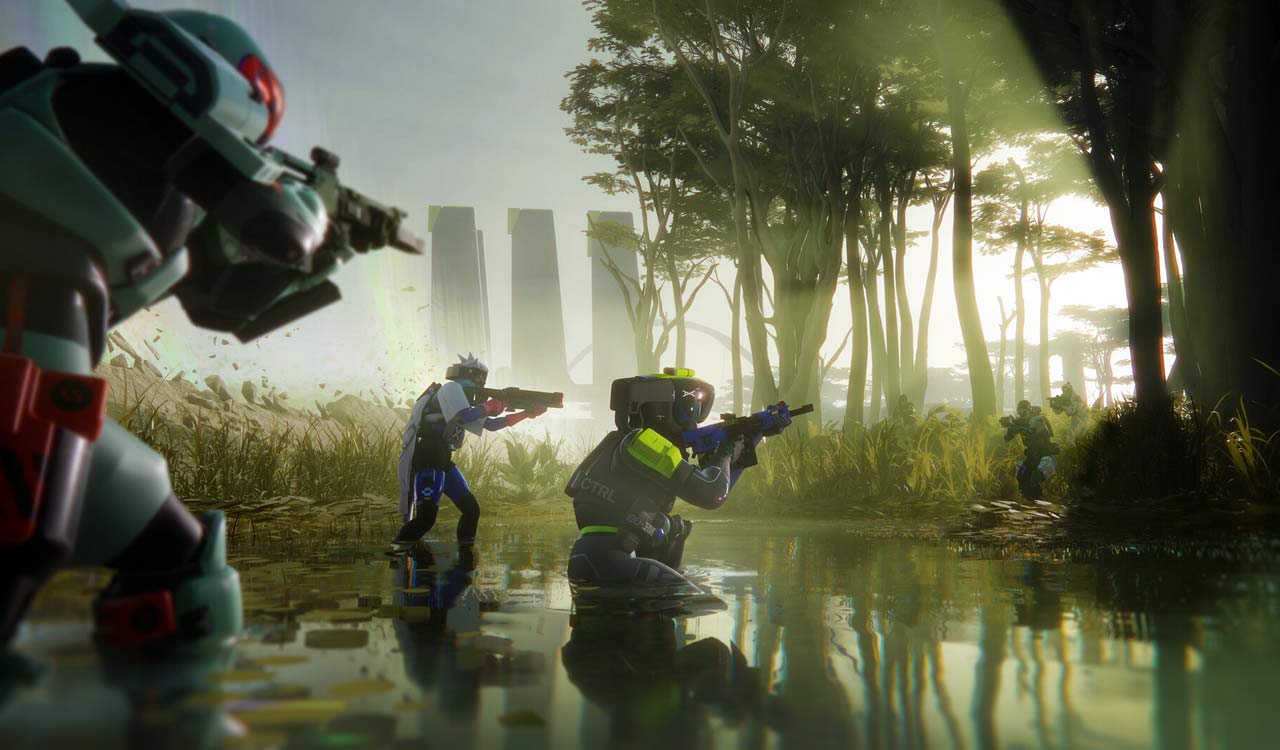
March 5th saw the worldwide launch of Marathon, the new title from Bungie, the creators of the hit looter-shooter Destiny. As an extraction shooter that blends PvP and PvE, the game seems to be doing quite a few things right, despite relying on an aggressive approach to microtransactions.
Early impressions have been positive, with players praising the light and fluid gameplay. Nevertheless, if the data is to be believed, the launch hasn’t exactly set the world on fire; SteamDB shows all-time concurrent player numbers peaking just below 90,000. That said, most other metrics indicate that interest in the game is currently edging upward.
High expectations were always going to follow Marathon given Destiny’s massive success, but five days post-launch is simply too early to tell. It is worth noting, however, that since 2025, the climate for live-service games has become increasingly hostile.
Project Helix and the next Xbox – what to expect?
The final major announcement this week comes from new Xbox CEO Asha Sharma regarding the future of the platform. Tentatively titled “Project Helix,” the upcoming device is being pitched as a performance leader capable of playing both Xbox and PC games natively from the get-go. While the announcement was light on technical specifications, it re-emphasised a sentiment shared last year: this new Xbox will be a premium, high-end device with a price point to match.
Rumours from the grapevine hint at a significant performance boost over the PS6, which is expected to be produced on a scale similar to the PS5. Some publications, such as GamingBolt, have speculated that the new Xbox might ship with an AMD APU codenamed “Magnus,” which is rumoured to outperform the PS6’s speculated “Orion” chip.
However, as the rumour mill gains momentum, it is important to temper expectations. Considering the current global shortage of RAM and SSD components, delays in next-generation console hardware seem increasingly likely.

Related News