What is the ideal edible oil for Indians? Why variety in oil usage is good for your heart
With rising heart and lifestyle diseases linked to unhealthy fats, nutrition experts and ICMR-NIN guidelines advise Indian households to rotate or balance cooking oils. Specialists stress that moderation and heat stability matter more than frequent switching.
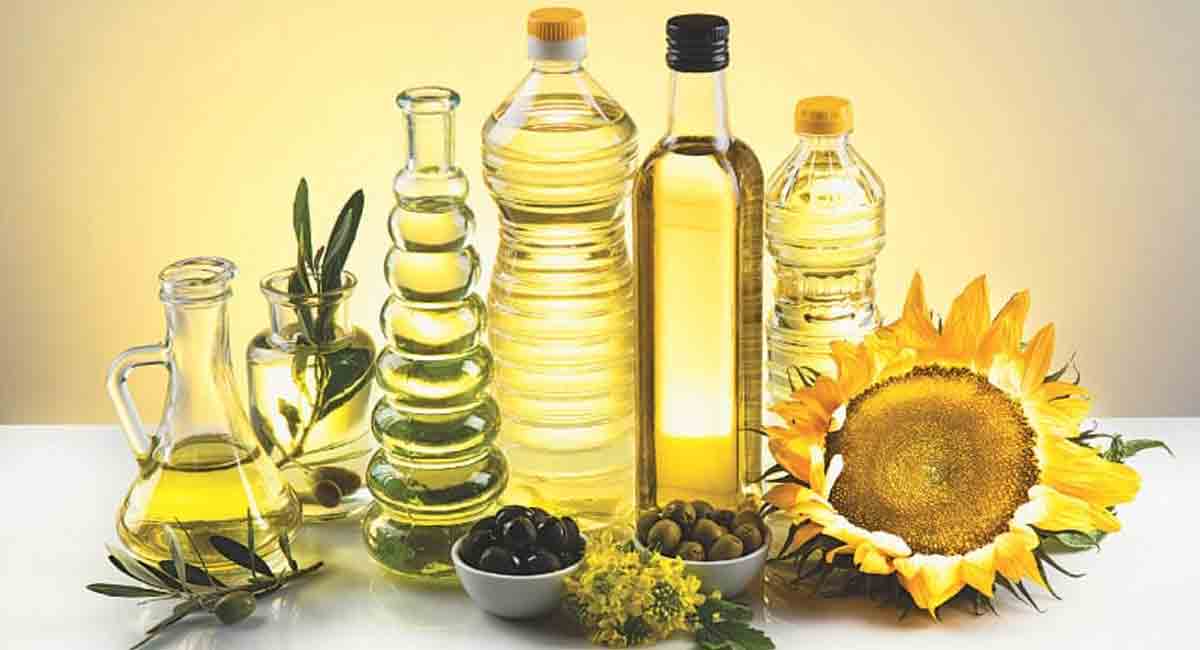


Hyderabad: Over the last decade, a majority of Indian households have witnessed a significant shift in cooking practices, with industrial trans fats and saturated fats increasingly finding their way onto the Indian thali. With high intake of these fats directly linked to heart ailments, hypertension and insulin resistance, choosing the right cooking oil has become critically important.
So what is the ideal edible oil for Indian households? There is no single silver bullet. Nutrition researchers believe it is healthier for Indian families to rotate different types of cooking oils rather than relying on just one.
The Hyderabad-based National Institute of Nutrition (NIN), in its Indian Dietary Guidelines 2024, has stated that no single vegetable oil contains all essential fatty acids in the right proportions.
The ICMR-NIN guidelines advise households to include variety in oil consumption. “A blend of two oils or rotating oils periodically will ensure a balanced intake of saturated, monounsaturated and polyunsaturated fatty acids. This variety is crucial because while oils such as groundnut or mustard are rich in heart-healthy monounsaturated fats, others like soybean or rice bran provide essential Omega-3 and Omega-6 fatty acids that the body cannot produce on its own,” the guidelines note.
However, noted public health specialist and senior neurologist from Hyderabad, Dr Sudhir Kumar, advocates balance rather than frequent switching of oils.
“Choose a stable oil, avoid excess and aim for balance, not constant switching,” Dr Sudhir Kumar said.
In a recent post on X, he pointed out that no oil is perfect, but using one or two oils over time is sufficient. What matters more than the type of oil, he said, is the quantity used daily.
For regular Indian cooking, rice bran oil is generally a better choice as it has a balanced fat profile, remains stable at high temperatures and may help lower bad cholesterol. In contrast, sunflower oil contains very high Omega-6 fats and is less heat-stable when used frequently, he added.
- Intake of trans-fats like Vanaspati increase risk of heart disease and stroke
- Repeated heating of cooking oils must be avoided
- Use a variety of oils to ensure balanced intake of different fatty acids
- Use oils with high thermal stability such as rice bran for deep frying
- Oils with high thermal stability do not break down into toxic compounds
- Use ghee and butter in extreme moderation (less than 10 percent of total energy)
- Keep fat intake strictly between 25 to 30 grams per day per person