Asian Waterbird Census 2026 records over 70 bird species in Kawal Tiger Reserve
More than 70 bird species have been recorded during the Asian Waterbird Census 2026 in and around Kawal Tiger Reserve. The findings highlight the importance of Telangana’s freshwater wetlands as key habitats for resident and migratory birds.
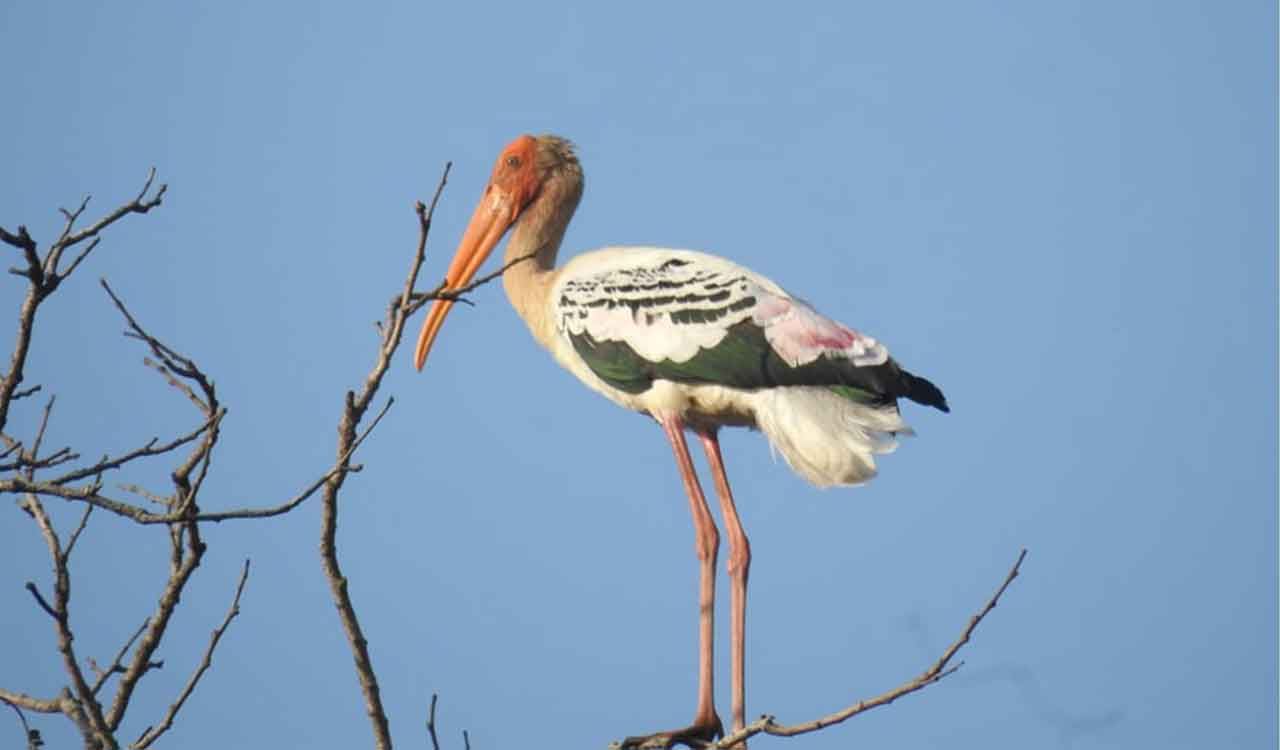
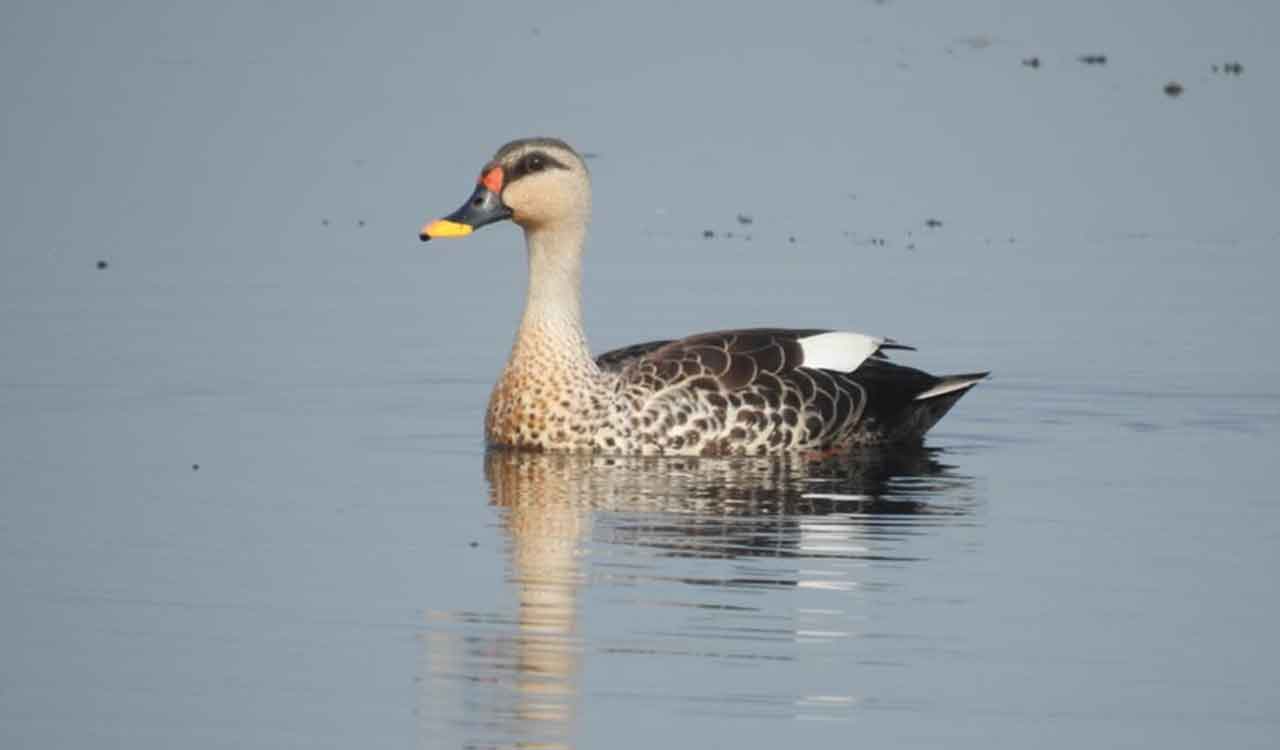
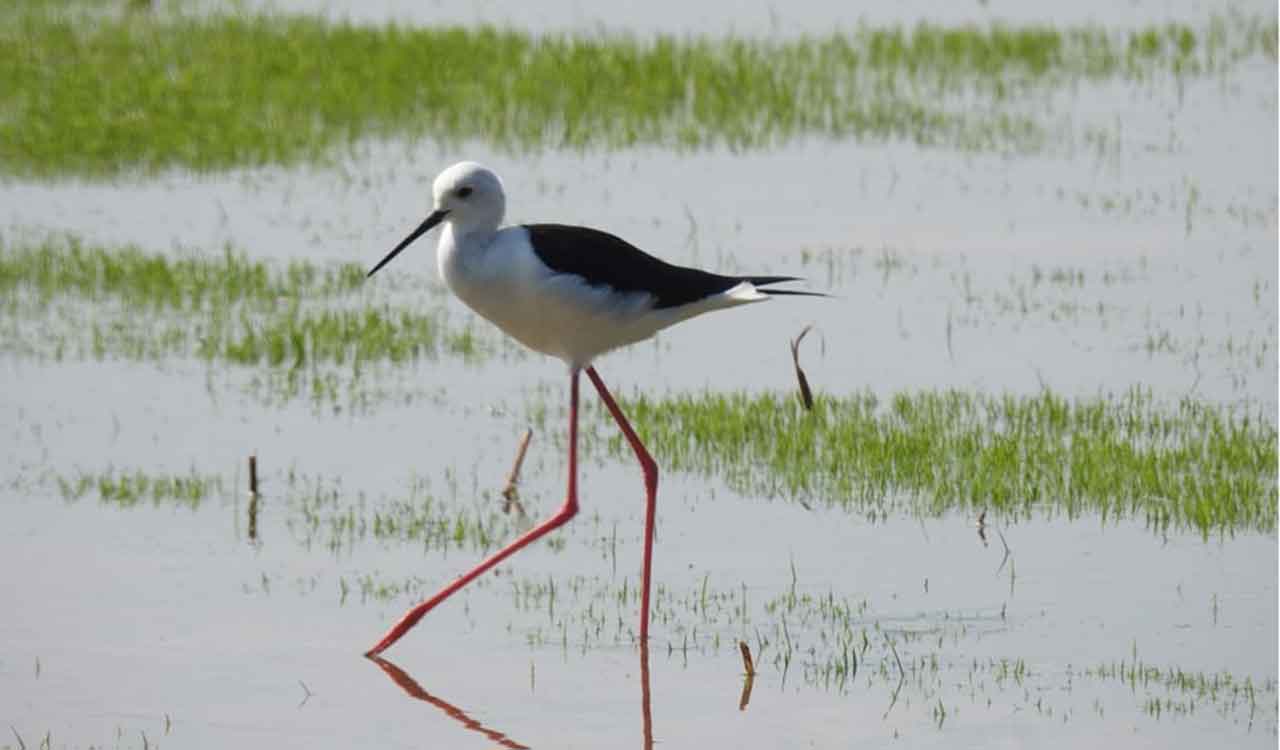


Mancherial: Over 70 bird species have been recorded during the ongoing Asian Waterbird Census 2026, being held across five freshwater ecosystems within and adjoining the Kawal Tiger Reserve (KTR).
The exercise is being carried out jointly by the Hyderabad Tiger Conservation Society (HyTiCoS) and the Forest Department.
Dr Venkat Anagandula, north Telangana coordinator of HyTiCoS, said bird species, including resident, winter migratory and passage migrants, were found inhabiting freshwater ecosystems locally known as Kalpakunta, Gadham Cheruvu, Dostnagar, Kistapur and Birsaipet lakes.
A significant proportion of the recorded species belong to Palearctic migratory guilds, which undertake long-distance seasonal migrations from northern Eurasia and parts of Europe to the Indian subcontinent, he said.
According to the wildlife researcher, these movements are primarily driven by thermoregulatory stress, reduced food availability and the freezing of wetlands in breeding ranges during winter. India’s tropical and subtropical climatic conditions, combined with the availability of nutrient-rich freshwater wetlands, provide optimal overwintering habitats. Several species migrate distances exceeding 10,000 km, utilising a network of wetlands along established flyways.
Venkat said notable migratory species documented during the survey included the Northern Pintail (Anas acuta), Common Redshank (Tringa totanus), Red-crested Pochard (Netta rufina), Common Teal (Anas crecca), Cotton Pygmy Goose, sandpipers, Temminck’s Stint, the endangered Black-bellied Tern (Sterna acuticauda) and Peregrine Falcon, among others.
These migratory populations typically remain in Telangana’s wetlands until late March, after which they embark on their return migration to breeding grounds in their native regions.
Environmentalists opine that, from a conservation perspective, the findings underscore the ecological importance of inland wetlands as biodiversity reservoirs within the Kawal landscape. They urged the department to take steps to protect wetlands and habitat integrity, besides reducing increasing anthropogenic pressures such as encroachment of revenue lands, particularly in non-forest wetlands and tanks, which leads to habitat fragmentation and degradation.
Jannaram Forest Divisional Officer, K Rammohan, Forest Range Officer, Laxminarayana, DyRO Prakash and HyTiCoS volunteers Vikram and Anirudh took part in the census.

Related News