Billionaire’s Toy or Brain Breakthrough? The science behind Deepinder Goyal’s ‘Temple’ wearable
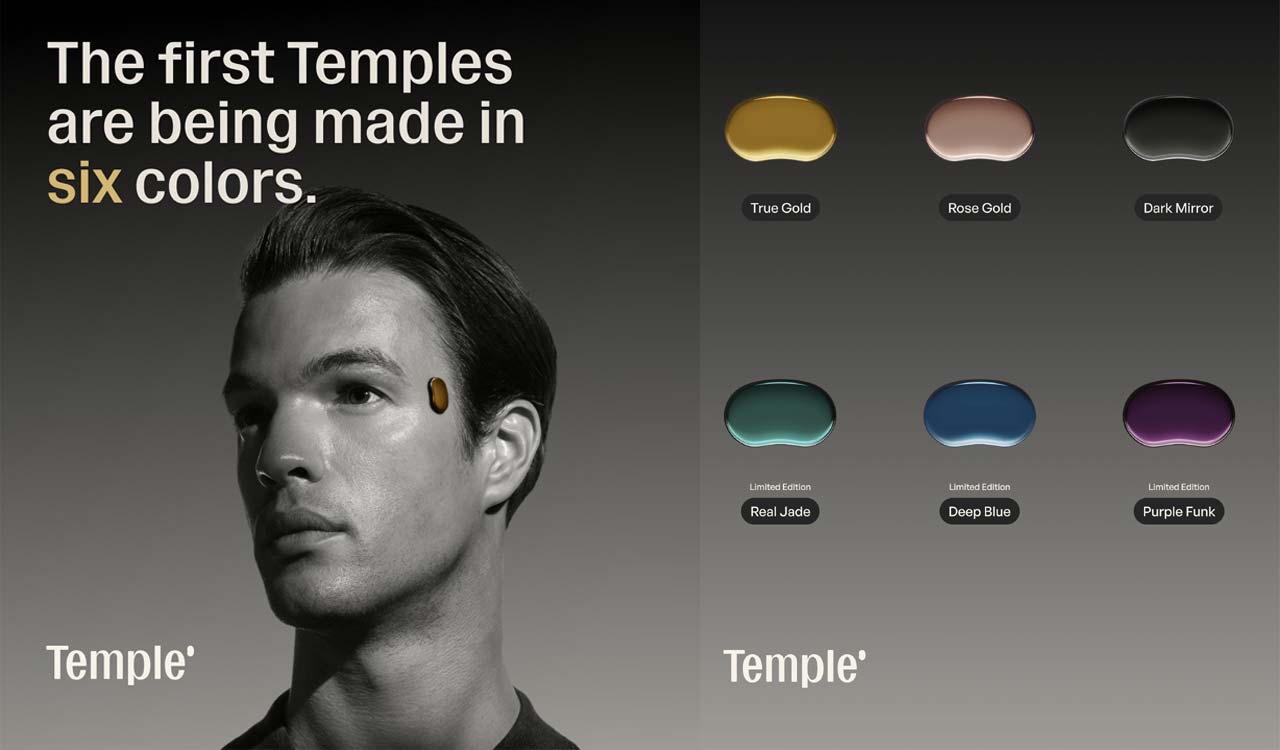
Zomato founder Deepinder Goyal unveiled the wearable device ‘Temple’ to track cerebral blood flow, central to his Gravity Ageing Hypothesis. While innovative, medical experts question its scientific validity. The device remains private research-only, not available commercially
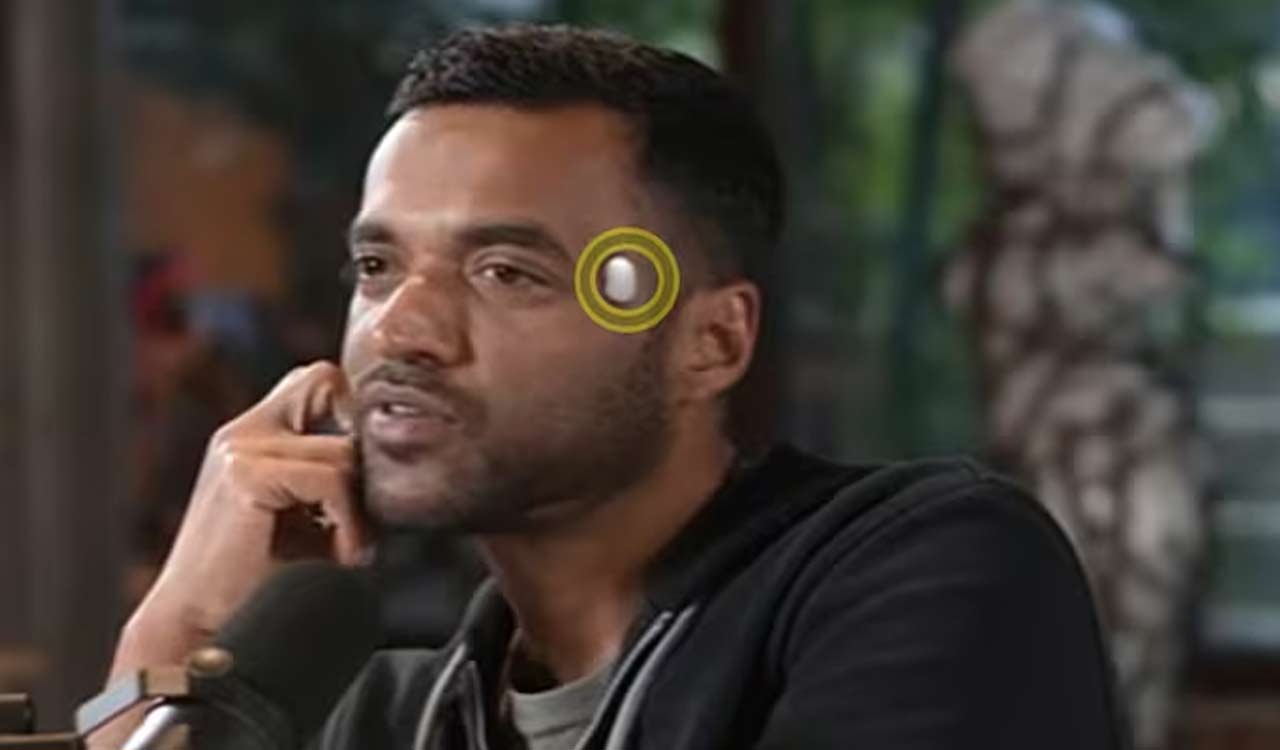


Hyderabad: Is it a fancy toy of a billionaire, or a bold experiment in the field of longevity tech? A small metallic device seen stuck to the temple of Zomato founder Deepinder Goyal during a podcast has sparked a firestorm of online speculation.
The gadget, aptly named Temple’ is a wearable sensor designed to track Cerebral Blood Flow (CBF) in real-time, a metric Goyal believes is the ‘holy grail’ of anti-ageing.
Developed under Goyal’s personal health-tech venture, Eternal (formerly the parent of Zomato), the device is the cornerstone of his “Gravity Ageing Hypothesis.” Goyal argues that because humans spend most of their lives upright, gravity constantly pulls blood away from the brain.
Over decades, this subtle ‘starvation’ of blood flow reportedly accelerates cognitive decline. By monitoring this flow, Goyal aims to validate the benefits of inversion therapy, literally hanging upside down, to ‘reset’ the brain’s circulation.
The explanation and theory behind ‘Gravity Ageing Hypothesis’ has not gone down well among the community of doctors.
Dr Suvrankar Datta, a senior radiologist and an AI researcher at AIIMS Delhi took to X and posted “As a physician-scientist and one of the earliest researchers in India in Arterial Stiffness and Pulse Wave Velocity (2017) which predicts cardiovascular mortality, I can assure you that this device currently has n0 scientific standing as a useful device and do not waste your hard earned money to buy fancy toys billionaires can afford to waste money on. If you are one, then go ahead”.
While “brain wearables” like EEG headbands are popular in the US and Europe for focus and meditation, Goyal’s focus on gravity-induced blood flow is a novel idea. For now, the ‘Temple’ device remains a private research tool, not yet available for public sale.
Whether it will become a legitimate health-tech staple or remain a high-priced curiosity depends on whether the researchers behind are able to produce and publish peer-reviewed data, which the medical world is demanding.

Related News