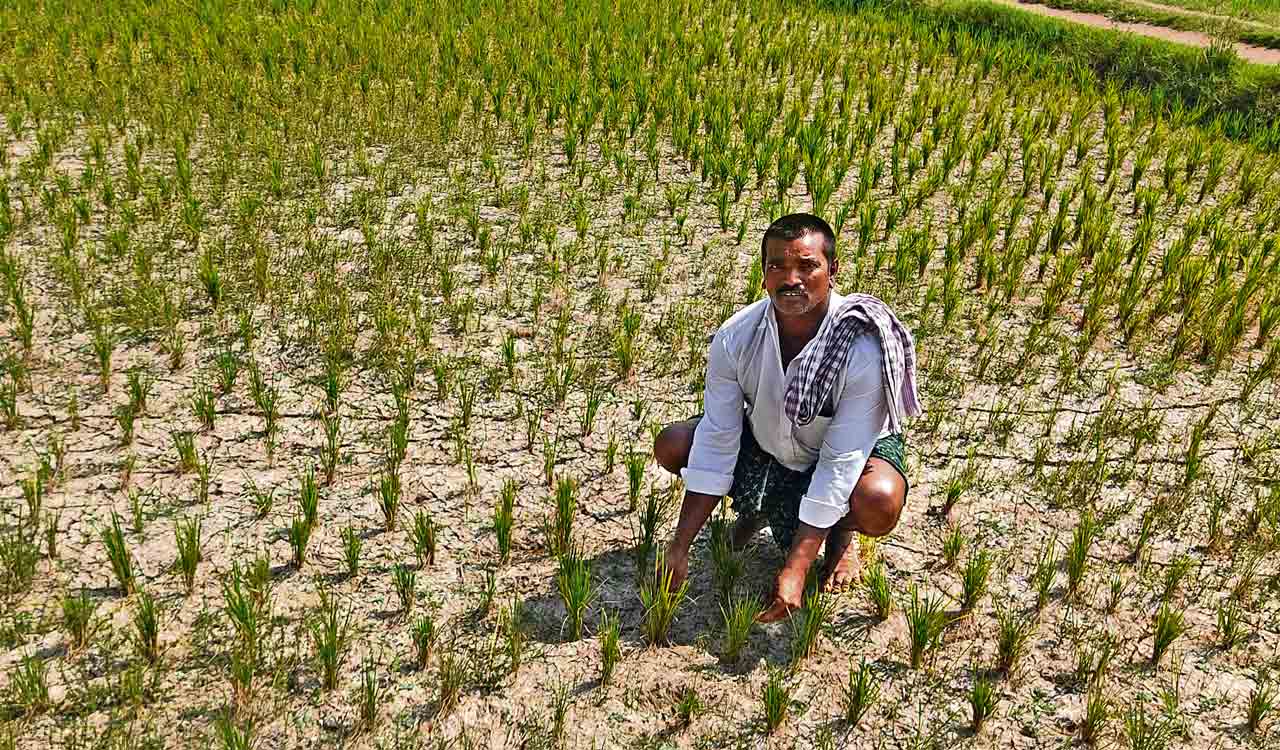
Climate change making extreme heat waves in India 100 times more likely
London: Climate change has made the record breaking heat waves in India and Pakistan over 100 times more likely, and also increased the chances that such events will occur more frequently in the future, according to a study by the UK Met Office. The analysis released on Wednesday means extreme temperature events once expected every […]


London: Climate change has made the record breaking heat waves in India and Pakistan over 100 times more likely, and also increased the chances that such events will occur more frequently in the future, according to a study by the UK Met Office.
The analysis released on Wednesday means extreme temperature events once expected every three centuries are now likely to happen every three years.
The study estimated the chances of exceeding the record temperature witnessed in April and May in 2010 — which saw the highest combined average April and May temperature since 1900.
The attribution study, which determines the influence of climate change on a particular weather event, shows that the natural probability of a heat wave exceeding the average temperature in 2010 was once in 312 years.
However, in the current climate scenario that accounts for climate change, the probabilities increase to once in every 3.1 years.
The scientists estimated that by the end of the century, the probability of heat wave will increase to once every 1.15 years.
“With temperatures exceeding 50 degrees Celsius in recent days, it is clear the current heat wave is an extreme weather event affecting communities and livelihoods,” Professor Peter Stott, Met Office Science Fellow in Climate Attribution, said in a statement.
Although a new record is thought likely, climate scientists will have to wait until after the end of the month — when all the temperature records for the April-May period have been collated — to see whether the current heat wave will exceed the levels experienced in 2010.
“Spells of heat have always been a feature of the region’s pre-monsoon climate during April and May,” said Nikos Christidis, who produced the study.
“Our study shows that climate change is driving the heat intensity of these spells making record-breaking temperatures 100 times more likely. By the end of the century increasing climate change is likely to drive temperatures of these values on average every year,” Christidis said.
The scientists adopted the peer-reviewed risk-based methodology that infers probabilities of extreme events with and without the effect of human influence from large multi-model ensembles of climate model simulations.
They noted that extreme pre-monsoon heatwave has eased a little after peak temperatures reached 51 degrees Celsius in Pakistan on Sunday.
“However, the heat looks likely to build again from mid-week, peaking later in the week or into the weekend, with maximum temperatures again likely to reach 50 degrees Celsius in some spots, with continued very high overnight temperatures,” said Paul Hutcheon, of the UK Met Office’s Global Guidance Unit.
“Through the weekend temperatures are likely to lower again closer to average. There is also a continued enhanced risk of fires (largely from planned agricultural burning) in the region which would further add to the poor air quality. Some strong winds will lift dust plumes at times too,” Hutcheon added.

Related News
-

Opinion: When one cyclone follows another — gaps in India’s coastal preparedness
-
Environmentalists celebrate Lula’s reelection in Brazil: ‘The Amazon can breathe sigh of relief’
-
Tenant farmers seek Cultivator Cards as Telangana assesses drought, El Nino impact
-
Explainer: How CO₂ rise is changing savanna grasslands