Conserving seagrass- the ecosystem engineers
Seagrasses are flowering plants that grow submerged in shallow marine waters like bays and lagoons. With tiny flowers and strap-like or oval leaves, they require sunlight for photosynthesis.


Protection and restoration of seagrasses can play a significant role in mitigating climate change. Read more about terrestrial plants and their evolution here…
Seagrasses are flowering plants that grow submerged in shallow marine waters like bays and lagoons. With tiny flowers and strap-like or oval leaves, they require sunlight for photosynthesis.
Terrestrial plants evolved about 850 million years ago from a group of green algae. Seagrasses evolved from terrestrial plants that recolonized the ocean 70-100 million years ago. There are 60 species belonging to four families in the order Alismatales.
Abundant in Palk Strait
Seagrasses occur all along with the coastal areas of India. They are abundant in the Palk Strait and Gulf of Mannar in Tamil Nadu.

Though seagrasses inhabit all types of substrates (layers) from mud to rock, the lush green seagrass beds are found extensively in muddy and sandy substrates.
There are 21 islands in the Gulf of Mannar. Seagrasses abound in the waters around the islands of Kurusadi, Pumarichan, Pullivasal, and Thalaiyari. All six genera and 11 species of seagrasses are found here.
Types of seagrasses
Some of the important seagrasses are Sea Cow Grass (Cymodocea serrulata), Thready Seagrass (Cymodocea rotundata), Needle Seagrass (Syringodium isoetifolium), Flat-tipped Seagrass (Halodule uninervis), Spoon Seagrass (Halophila ovalis) and Ribbon Grass (Enhalus acoroides). These were once abundant in the Gulf of Mannar region but are now threatened. Like terrestrial plants, seagrass also photosynthesizes and manufacture their own food and release oxygen.
Many benefits of seagrass
Seagrasses are known for providing many ecosystem services. They are considered to be ‘Ecosystem Engineers’. Seagrasses help maintain water quality. They trap fine sediments and suspended particles in the water column and increase water clarity.
In the absence of seagrass communities, the sediments are stirred by wind and waves, decreasing water quality. This reduced water clarity affects marine animal behavior besides decreasing the recreational quality of coastal zones. They filter nutrients released from land-based industries before they reach sensitive habitats like coral reefs.
Controls wave action
Ocean bottoms without seagrasses are prone to intense wave action from currents and storms. The extensive vertical and horizontal root systems of seagrasses stabilize the sea bottom similar to land grasses that prevent soil erosion.
Seagrass habitats protect juvenile and small adult fish from large predators. Marine animals that live in soft sea bottom sediments also take shelter in seagrass meadows.
Seagrasses protect worms, crabs, starfishes, sea cucumbers, sea urchins, etc, from strong currents. Seagrass leaves support seaweeds by providing anchoring facilities. Seahorses and lizardfish are found living in seagrass meadows almost throughout the year.
Food for many organisms
Seagrasses provide food as well as habitat for fishes, octopuses, shrimp, blue crabs, oysters, sponges, sea urchins, clams, etc. They are called ‘the lungs of the sea’ as they release oxygen into the water through photosynthesis.
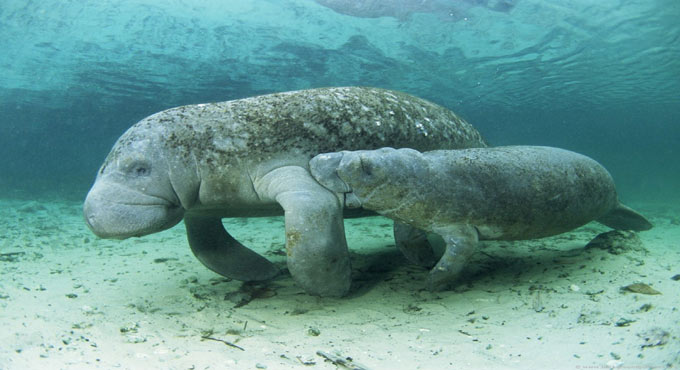
Some endangered marine organisms like dugong, green turtle, etc, graze directly on seagrass leaves. Many other microorganisms take the nutrients indirectly from seagrasses.
Bottle-nosed dolphins feed on the organisms that live in seagrass areas. Detritus (natural waste) of decomposed dead seagrass supplies food for worms, sea cucumbers, crabs, anemones, and ascidians.
Now you can get handpicked stories from Telangana Today on Telegram everyday. Click the link to subscribe.
Click to follow Telangana Today Facebook page and Twitter .

Related News