Editorial: India’s landmark ruling on menstrual hygiene
By ordering free biodegradable pads and hygiene corners in schools and colleges, India’s apex court has recognised menstrual health as an enforceable right
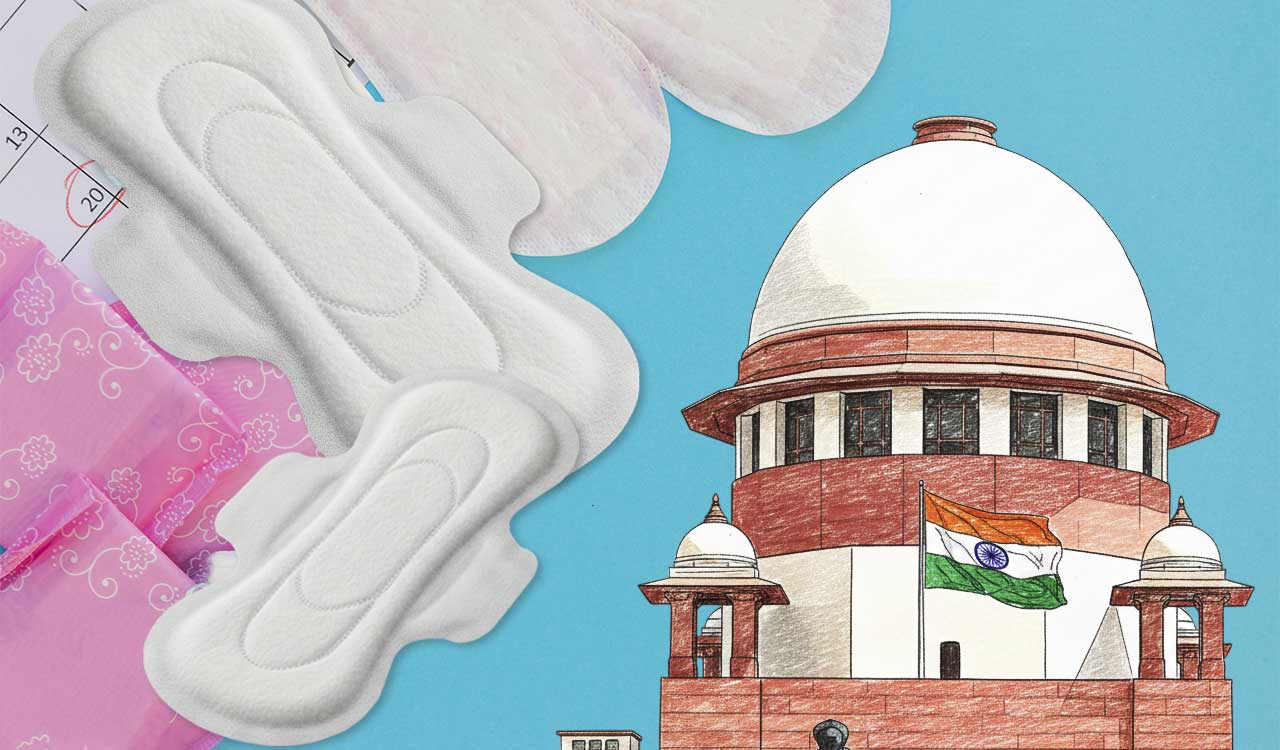


Menstrual health is a much-neglected subject in India. From superstitions that keep women away from the kitchen or places of worship to the traditions that restrict them to the household, the menstrual period is still a taboo subject. Myths and taboos surrounding menstruation need to be demolished, and a scientific temper has to be developed, without which no government scheme or efforts of health workers and social organisations will succeed. The Supreme Court’s recent ruling recognising access to menstrual hygiene as a fundamental right under Article 21 is a landmark development. The verdict is a long-overdue affirmation that dignity, health and equality are indivisible. By directing States to provide free, biodegradable sanitary pads in schools and set up menstrual hygiene corners stocked with pads and innerwear, the apex court has pushed menstrual health out of the shadows of stigma and into the realm of enforceable rights. Lack of access to menstrual health facilities in schools and colleges violates the bodily autonomy of girl children and hinders menstruating girls from exercising their right to education with dignity equal to their male counterparts. Citing Article 15(3) of the Constitution, which provides for special measures for women and children because of their “vulnerability”, the apex court mandated compliance within three months. Such a directive is especially welcome in a nation where menstrual health is subjected to prejudice. The emphasis on schools is critical. Adolescence is when menstrual stigma bites hardest and when the absence of facilities can derail education.
It is estimated that 23 million girls drop out of school annually on account of poor menstruation management facilities. By framing menstrual health as intrinsic to the right to life and personal dignity, the court has reframed the debate. Hopefully, the apex court’s directive would lead to an improvement in menstrual infrastructure in educational institutions. While the National Family Health Survey (NFHS)-5 data indicate that the percentage of women aged 15-24 years using hygienic methods during their menstrual cycles has increased to 77.3% from 57.6% in NFHS-4, it still leaves about a fourth of all women of eligible age in the country without such support. In recent times, there have been some positive policy interventions in this regard. For instance, Karnataka has become the first State in the country to grant a day of paid menstrual leave each month to women employees in the public and private sectors. Over 60,000 cervical cancer deaths are reported in India every year, mostly due to poor menstrual hygiene. A series of surveys conducted by the Health Ministry revealed that low awareness and poor menstrual hygiene management are responsible for several preventable diseases among women. Many women are ashamed even to seek medical advice if they face any health problems due to menstruation. It is still a taboo, and women fight many stigmas because menstruation is one more way of perpetuating gender discrimination.
Also Read

Related News