Editorial: Manual scavenging must go
Manual scavenging persists in India despite the 2013 ban, killing 620-plus workers and highlighting caste inequality, unsafe work, and government apathy
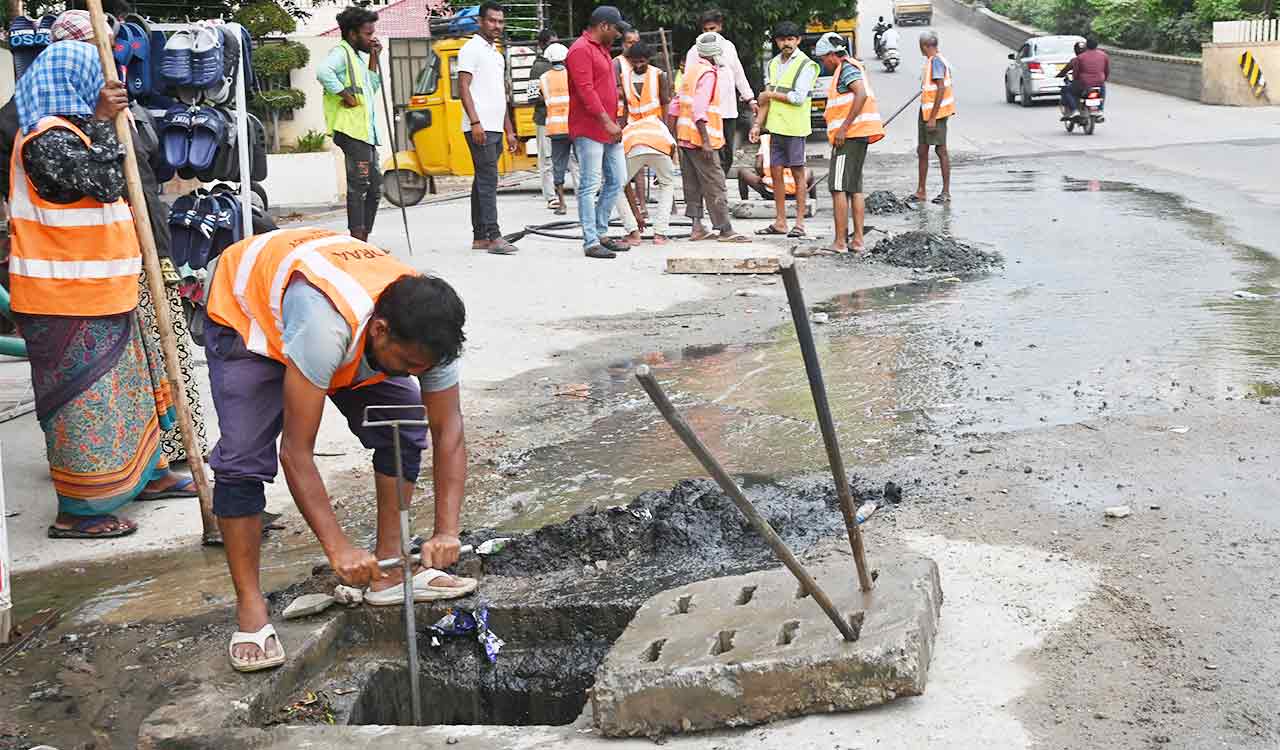


The dehumanising practice of manual scavenging is a blot on any civilised society. The fact that such a profession still exists is a matter of collective shame for India. Despite laws banning the abominable work, it persists across the country, leading to a large number of deaths of workers engaged in sewer line repair and cleaning without critical safety measures. According to official data tabled in the Lok Sabha last week, over 620 sanitation workers have died cleaning sewers and septic tanks across the country since 2017. While 539 families reportedly received full compensation, 52 did not get even a penny. This reflects a cruel apathy on the part of the governments. It is both a legal and moral obligation for the government to ensure that the kin of deceased workers get fair compensation. One wonders how a nation can aspire to become ‘Viksit’ (developed) by 2047, when a section of its citizens is engaged in such dehumanising work. A 2023 survey conducted under the Prohibition of Employment as Manual Scavengers and Their Rehabilitation Act, 2013, found no manual scavengers in any district nationwide. This is nothing but a cruel joke. The ground reality, however, is completely different. There is no let-up in tragic incidents: three sanitation workers lost their lives after inhaling toxic gases while cleaning a septic tank at a leading hospital in Raipur, Chhattisgarh, last week.
Manual scavenging is closely linked to the abhorrent caste system, with nearly 92–97% of those involved belonging to Scheduled Castes (SCs), Scheduled Tribes (STs), and Other Backward Classes (OBCs). This occupation reinforces social inequality, untouchability, and stigma. In addition to the social stigma and isolation, manual scavengers are also exposed to serious health hazards. The persistence of complaints — 842 were received by the National Commission for Safai Karamcharis last year — about unpaid wages, lack of safety gear and caste-based discrimination shows that the rot runs deep. Despite official claims that sanitation work is occupation-based, data confirms an overwhelming representation of workers from historically marginalised communities. Despite the Manual Scavenging Act of 2013 prohibiting the deployment of people for such tasks and making it a punishable offence, the practice persists. The Act includes manual cleaning of sewers, septic tanks, drains and manholes under the definition of ‘manual scavenging’. This was necessitated by the high rate of deaths at work. Manual scavenging is a degrading profession which needs solutions that are technologically suitable, economically driven, socially responsible, and sensitive. Since manual scavengers do not use protective gear and work in extremely unhygienic conditions, they are relentlessly exposed to harmful gases such as hydrogen sulphide and methane, often resulting in respiratory illnesses, and cardiovascular and musculoskeletal disorders. They also suffer from skin problems such as psoriasis. Carbon monoxide poisoning, diarrhoea, nausea and tuberculosis are some of the other health problems they face.

Related News