Editorial: Narendra Modi’s austerity call rings alarm bells
The Prime Minister’s appeal for austerity reflects growing concern that the Iran conflict is emerging as an economic threat capable of driving up inflation, fuel prices and household costs across India
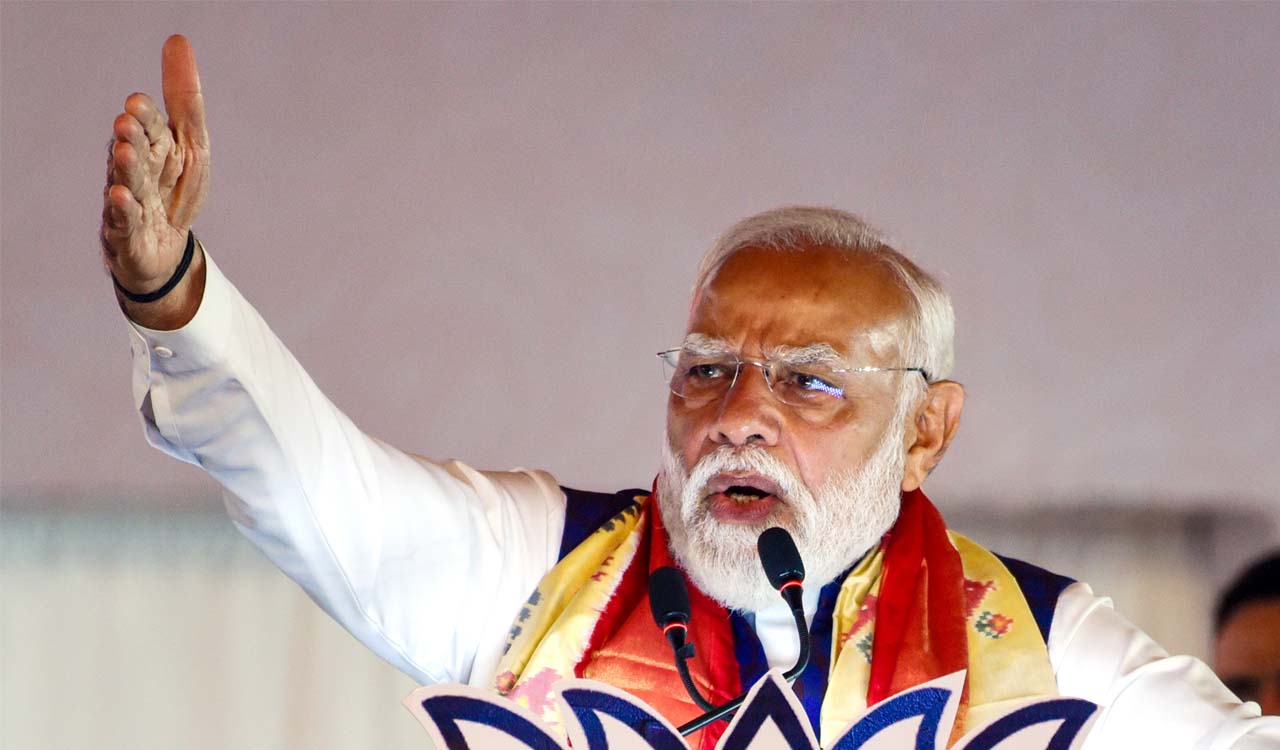


With United States President Donald Trump rejecting Iran’s proposals to end the 10-week-long war, there are ominous indications of an escalation of the conflict with serious global implications. Amid reports that America is preparing to resume combat operations against Iran, there are growing concerns across the world over disruptions to their economies. Prime Minister Narendra Modi’s austerity call reflects this anxiety. In a rare public appeal, he urged citizens to cut down on the use of vegetable oils, reduce fuel consumption, avoid unnecessary foreign travel and defer gold purchases. Clearly, it was an acknowledgement that the Iran war has evolved from a distant geopolitical crisis into a domestic economic emergency with the potential to touch every Indian household. It has forced policymakers to confront the bitter reality of the country’s dependence on oil imports. India imports roughly 85% of its crude oil requirements. Nearly half of these pass through the Strait of Hormuz, the narrow maritime choke point now overshadowed by missile attacks, naval deployments and insurance chaos. The country also depends heavily on Gulf states for liquefied natural gas and LPG supplies. As attacks and disruptions spread across the region, India’s energy security assumptions began collapsing simultaneously. India imported vegetable oils worth $19.5 billion in 2025-26. That is a massive outflow of foreign exchange for something used daily in millions of kitchens. Reducing this import bill can directly help narrow the current account deficit. And when the deficit narrows, the pressure on the rupee eases.
For decades, the country’s economic rise was directly linked to a silent bargain with the Gulf. Tankers would keep arriving through the Strait of Hormuz; liquefied petroleum gas would continue flowing into Indian kitchens; refineries would hum uninterrupted; diesel would power trucks carrying everything from wheat to smartphones across a continental-sized economy. In return, India could sustain growth, keep inflation manageable and postpone hard political choices about energy vulnerability. That bargain is now under severe strain. India’s foreign exchange reserves as of May 1 were down to $690.69 billion as against $728.5 billion before the Iran war broke out on February 28. India is the world’s third-largest oil importer after China and the US. From April 2025 to March this year, the country imported crude oil worth $123 billion. That is the single-largest contributor to India’s import budget. The first signs of distress, following fuel supply disruptions, were seen in restaurants and commercial establishments across cities and towns which were forced to ration usage, alter menus or temporarily shut operations due to shortage of commercial LPG supply. Modi’s warning against gold imports reveals the government’s deeper anxiety. Indians buy gold not merely as ornamentation but as a parallel savings system. However, gold imports drain precious foreign exchange at precisely the moment oil imports are becoming more expensive.
Also Read

Related News
-

Modi, Jaishankar, Tharoor meet Iranian parliamentary delegation
-
PM Modi congratulates Brazil’s Lula on ‘remarkable’ win, says looking forward to deepening ties
-
Ties with India to remain strong regardless of Israel poll results: Political analyst
-
12th BRICS Parliamentary Forum to be inaugurated in Parliament House complex today