Editorial: Political googlies stump cricket ties
BCB’s confrontational stance has exposed deep fear and frustration within Bangladesh cricket
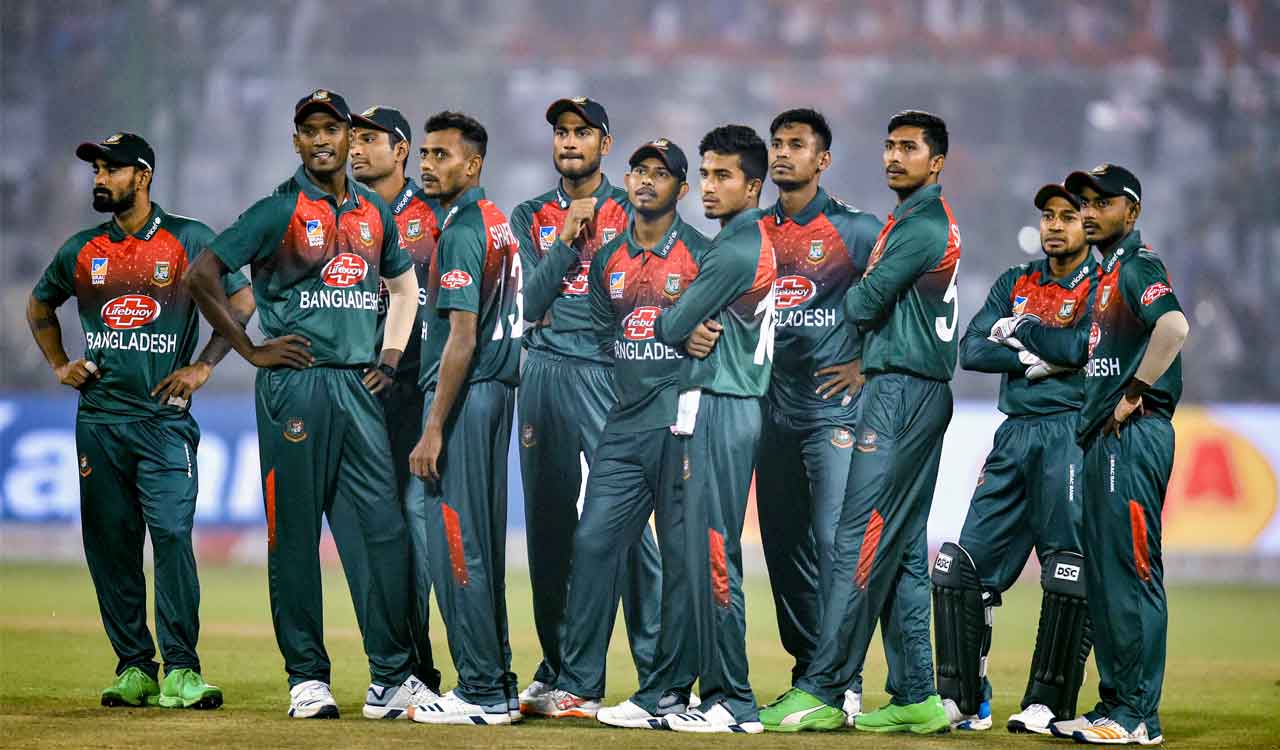


Cricket, along with Bollywood music, has been a shared obsession of the sub-continent for decades. Largely insulated from politics, it survived wars, border closures, and diplomatic freezes. It has been a major reason for people to bond, argue or fight over their favourite stars. Things are changing now. When political relations deteriorate, cricket no longer remains free. The growing rift between India and Bangladesh and its impact on the cricketing ties reflect this ominous trend. Political googlies are setting the cricket pitches on fire. As a result, the turning tracks are becoming increasingly unplayable. As the popular sport turns into a diplomatic weapon and an instrument of political posturing, cricket fans of the sub-continent are the real losers. The Bangladesh Cricket Board (BCB) has itself to blame for getting knocked out of the upcoming T20 World Cup, being hosted by India and Sri Lanka. Political grandstanding and gross miscalculation of the power and influence of the Indian cricket establishment have led to the fiasco. Having opened a Pandora’s box, Bangladesh’s politicians, with an eye on the approaching national elections, and the cricket board will now have to live with the consequences. The BCB’s confrontational stance has exposed deep fear and frustration within Bangladesh cricket. By pandering to extremist politics, the board has inflicted long-term damage on the game’s future. Clearly, Bangladesh politicians appear to have fallen into the trap of Pakistan’s devious designs to defame India in the whole episode. From Bangladeshi player Mustafizur Rahman’s release from the Kolkata Knight Riders (KKR) to Dhaka’s demand for shifting the World Cup matches out of India and banning the IPL telecast, the ongoing crisis raises several uncomfortable questions.
India-Bangladesh ties have nosedived in recent times over the lynching of innocent Hindus and attacks on their properties. In these troubling times, sports could have served as a neutral space to ease tensions and preserve people-to-people goodwill. Unfortunately, cricket has now been drawn into the wider political struggle, under the influence of right-wing voices. But Mustafizur’s removal from the IPL franchise has reinforced the anti-India sentiment and deepened mistrust in Bangladesh. And, Dhaka’s decision to ban broadcasts of this year’s IPL became the flashpoint in the growing row. Bangladesh doubled down on refusing to go to India, despite being told they will be replaced if they don’t change their mind. It was preposterous on the part of the Bangladesh cricket administration to cite security reasons for not playing in India and to ask for the shifting of the venue of their matches to Sri Lanka. Cricket, at its best, has the potential to bring people together. Turning it into a weapon of division and punishment will only deepen mistrust and complicate the process of reconciliation. For Bangladesh and India, the challenge is to step back from this path and prioritise a future built on mutual dignity and peaceful coexistence.
Also Read

Related News