Editorial: Student suicides, systemic tragedies
With over 13,000 student suicides reported annually, India still has no dedicated statutory framework for suicide prevention in higher education, highlighting a systemic failure that demands urgent reform



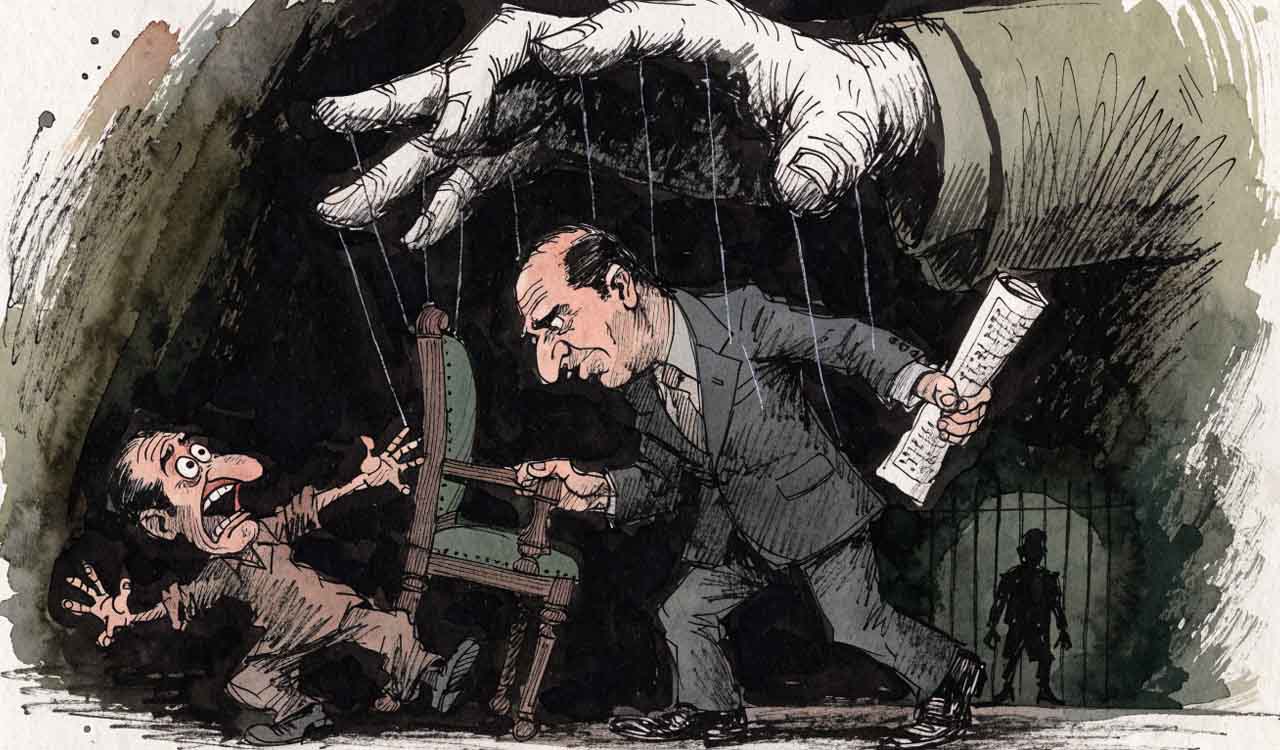
Attributing student suicides on campuses solely to mental health problems is to ignore the larger structural issues responsible for the alarming trend. These tragedies should not be viewed in isolation as problems of individuals but rather as the culmination of institutional, social, and cultural breakdown. Every death is a cry in the wilderness; a silent scream that should haunt us collectively as a nation. According to the National Crime Records Bureau (NCRB) data, over 13,000 student suicides are reported every year across the country. The Supreme Court- appointed National Task Force (NTF) on student suicides, headed by former judge Justice S Ravindra Bhat, has rightly concluded that there is now an urgent need to move beyond reactive measures towards structural, preventive, and sustainable solutions. Despite years of reports, University Grants Commission (UGC) regulations, and government strategies, India has no direct statutory framework for suicide prevention in higher education. The most glaring gap is the complete absence of any direct statutory, regulatory or institutional framework to address and prevent suicides. Most interventions so far have been generic and reactive. The NTF surveyed over 2.43 lakh students and 2,119 higher educational institutions across the country, but despite several deadline extensions, only 3.5% of the institutes submitted their responses to the survey. This shows their callousness towards the problem.
Last year, the apex court held that mental well-being is inseparable from the right to life under Article 21 and noted that there was a legislative and regulatory vacuum in the country with respect to a unified, enforceable framework for suicide prevention. An exacting examination system, parental expectations, an individual’s limitations, and the debilitating fear of failure can take a heavy toll on young minds. What is more appalling is that student suicides are reduced to cold statistics, and society is becoming increasingly numb to these tragedies. The entire education ecosystem that puts a premium on success and shuts the doors on alternative career avenues is to blame for the sorry state of affairs. A mismatch between rising aspirations and shrinking opportunities has created enormous stress — a pressure-cooker kind of situation for the youth. This must be treated as a public health crisis requiring urgent attention. Parents, too, must candidly discuss career choices and the aptitude of their children and not push them into difficult corners. The government needs to enact a robust oversight mechanism and invest in creating some support structures to lessen anxiety among students. The Task Force identified “extensive delays, inconsistencies and inequities in scholarship disbursement” as a primary factor, compounding stress for students from poorer backgrounds, alongside steep fee hikes across public universities that have repeatedly pushed students to desperation. Institutional failures include extremely rigid attendance policies, poorly planned academic curricula, faculty shortages, and excessive reliance on inexperienced guest faculty.
Also Read

Related News