Editorial: UAE’s exit from OPEC widens Gulf
UAE’s exit from OPEC opens up strategic opportunities for countries like India amid ongoing regional conflicts
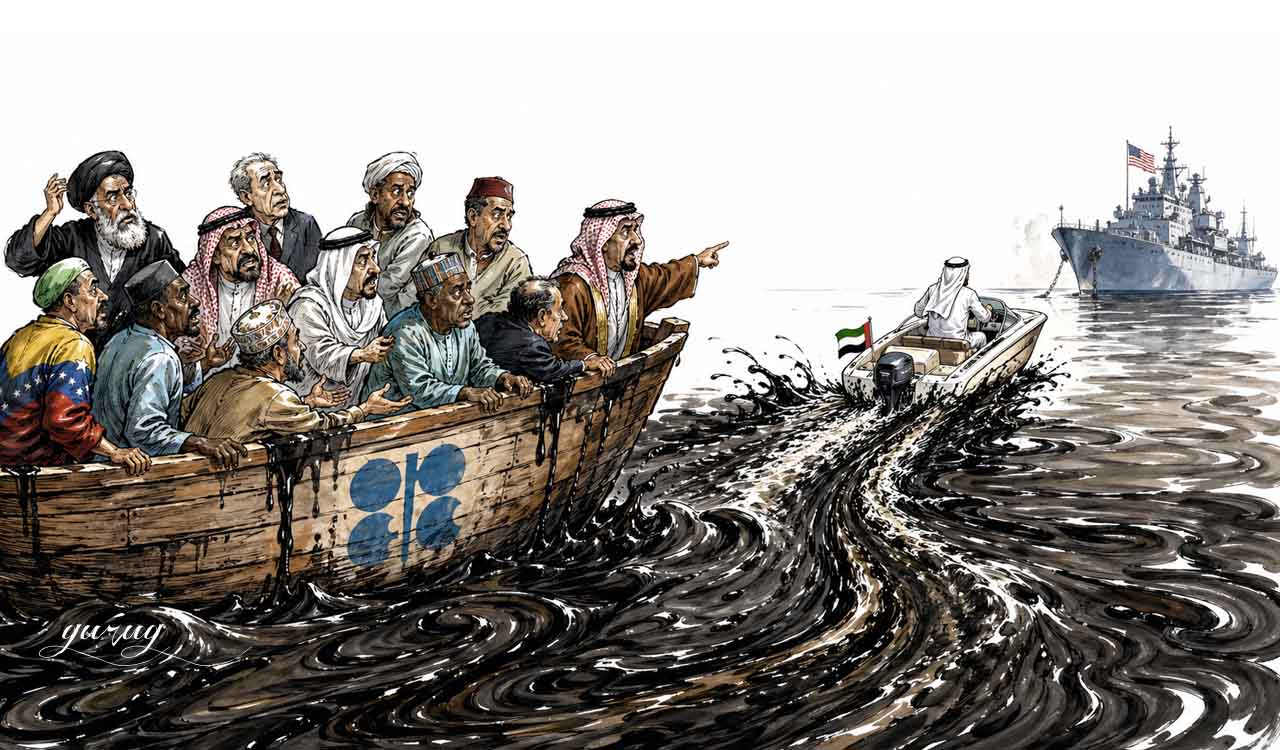


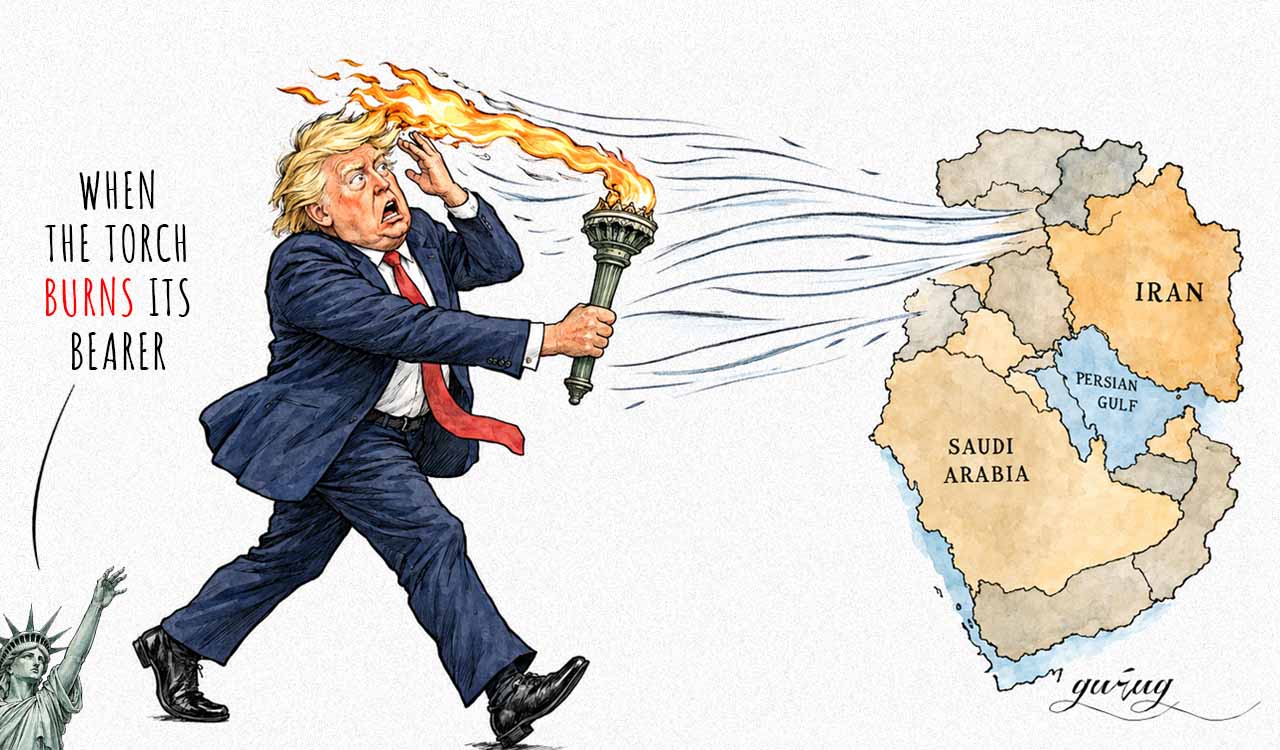
The gulf is widening in the Gulf region. Amid the ongoing war in West Asia, the exit of the United Arab Emirates (UAE) from the Organization of the Petroleum Exporting Countries (OPEC) reflects a churn in the oil cartel world and a fundamental realignment of alliances in the region. Abu Dhabi wanted more freedom to make production decisions without the organisation’s constraints, and to reach its goal of 5 million barrels per day (bpd) of capacity by 2027. Whatever the official reasons given for the departure, the drastic decision highlights a deepening confrontation with Saudi Arabia. The ongoing war in Iran has disrupted global energy supply in terms of oil production, besides laying bare tensions among Gulf nations. Abu Dhabi’s ties with Riyadh — the de facto leader of OPEC+ — have worsened over the years due to the conflicts in Sudan, Somalia and Yemen. The UAE’s growing closeness to the US and Israel is another key factor that has hardened the battle lines in the Gulf region. For some time now, there have been visible signs of a regional rupture. The friction crossed a threshold in December last year when Saudi Arabia launched air strikes targeting an Emirati weapons convoy at the port of Mukalla in Yemen, considered an unprecedented act. Riyadh then publicly demanded the withdrawal of all UAE forces from Yemeni territory, and in early 2026, that call was answered with the dissolution of the Southern Transitional Council (STC), Abu Dhabi’s principal proxy in the country.
Saudi Arabia seeks to preserve the territorial integrity of Arab states and to position itself as a regional stabilising power. Remaining within OPEC under an architecture effectively controlled by Riyadh would have meant accepting institutional subordination at the precise moment when the bilateral relationship was hardening into open rivalry. The exit is an act of sovereign disengagement from that tutelage. The UAE’s departure will weaken OPEC’s hold on the oil market, while freeing Abu Dhabi from the quota regime imposed by the grouping to balance supply and demand. As an independent oil producer, the UAE will join the ranks of nations such as the United States and Brazil. Currently, Saudi Arabia and the UAE together control a majority of the world’s total spare capacity of more than 4 million barrels per day, making them influential during periods of distress. The UAE’s move removes one of the core pillars underpinning OPEC’s ability to manage the market. It would also undermine the Saudis’ ability to manage OPEC as an organisation. With Iran having conducted direct attacks on Emirati territory and shipping, and Saudi Arabia having shifted into open confrontation mode, Abu Dhabi’s strategic calculus has fundamentally changed. The latest developments have opened a window of opportunity for India, which has strong energy ties with the UAE. It must play its cards deftly to capitalise on these developments.
Also Read

Related News