Opinion: Boiler accidents in India are no aberration, but a regulatory failure
Recurring accidents expose structural weaknesses in India’s boiler safety regime and its fragmented enforcement framework


By KV Chandramouli
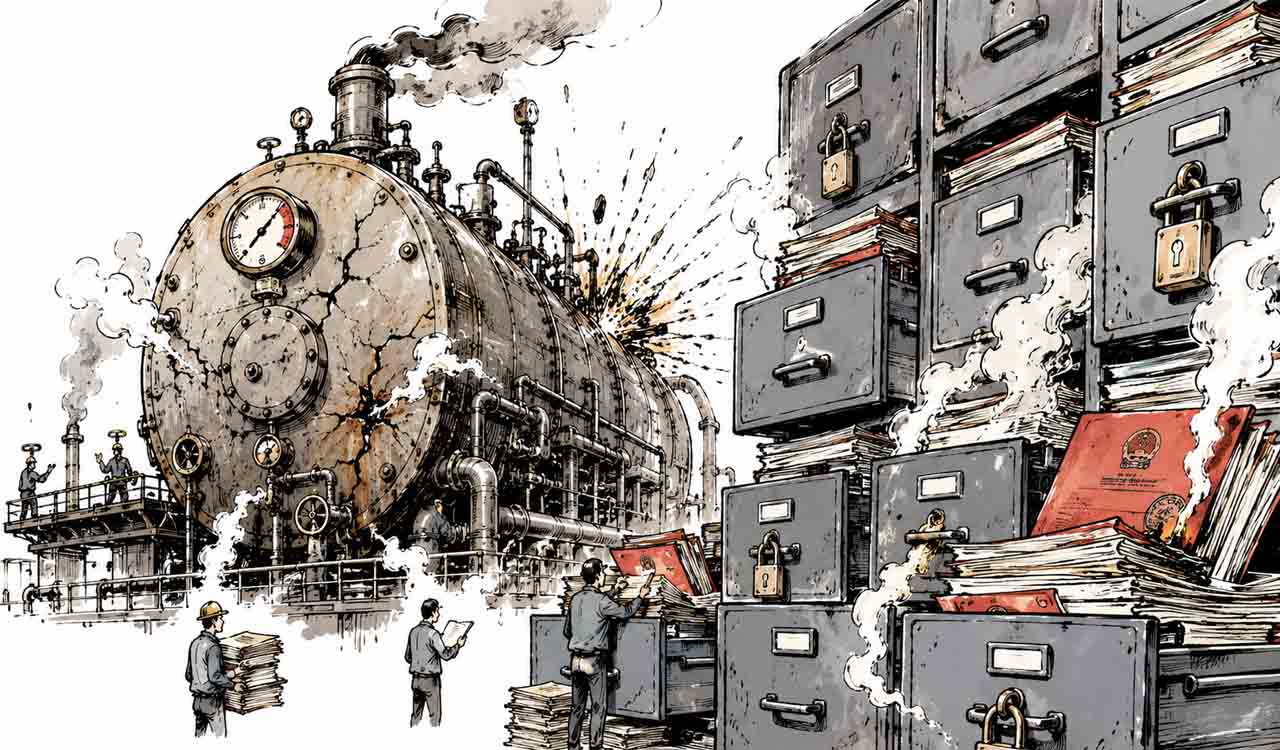
Industrial boilers are indispensable to India’s energy and manufacturing sectors. Yet, when they fail, the consequences are catastrophic—and increasingly predictable. The recent boiler tube explosion at a power plant in Chhattisgarh, which killed 13 workers and injured 21, is not an aberration. It reflects a recurring pattern that exposes deep structural weaknesses in India’s boiler safety regime.
Also Read
The country has witnessed a series of major disasters over the years. The NTPC Unchahar boiler explosion claimed over 30 lives and injured nearly 100, with investigations pointing to pressure build-up and operational lapses. The Thane Chemical Factory Explosion further highlighted how industrial clusters continue to operate with inadequate safeguards. Alongside these, numerous smaller but underreported accidents occur across the States, indicating that boiler failures remain frequent and often fatal.
Law Only On Paper
This persists despite a comprehensive legal framework. The Boilers Act, 2025—an Act to provide for the regulation of boilers, safety of life and property from the danger of steam boiler explosions, and for ensuring uniformity in registration and inspection during manufacture, erection, and use—mandates certification, periodic inspection, and safe operation. It is supported by the Indian Boiler Regulations, 1950, which prescribe detailed technical standards, and the Boiler Accident Inquiry Rules, 2021, which require structured and time-bound accident investigations.
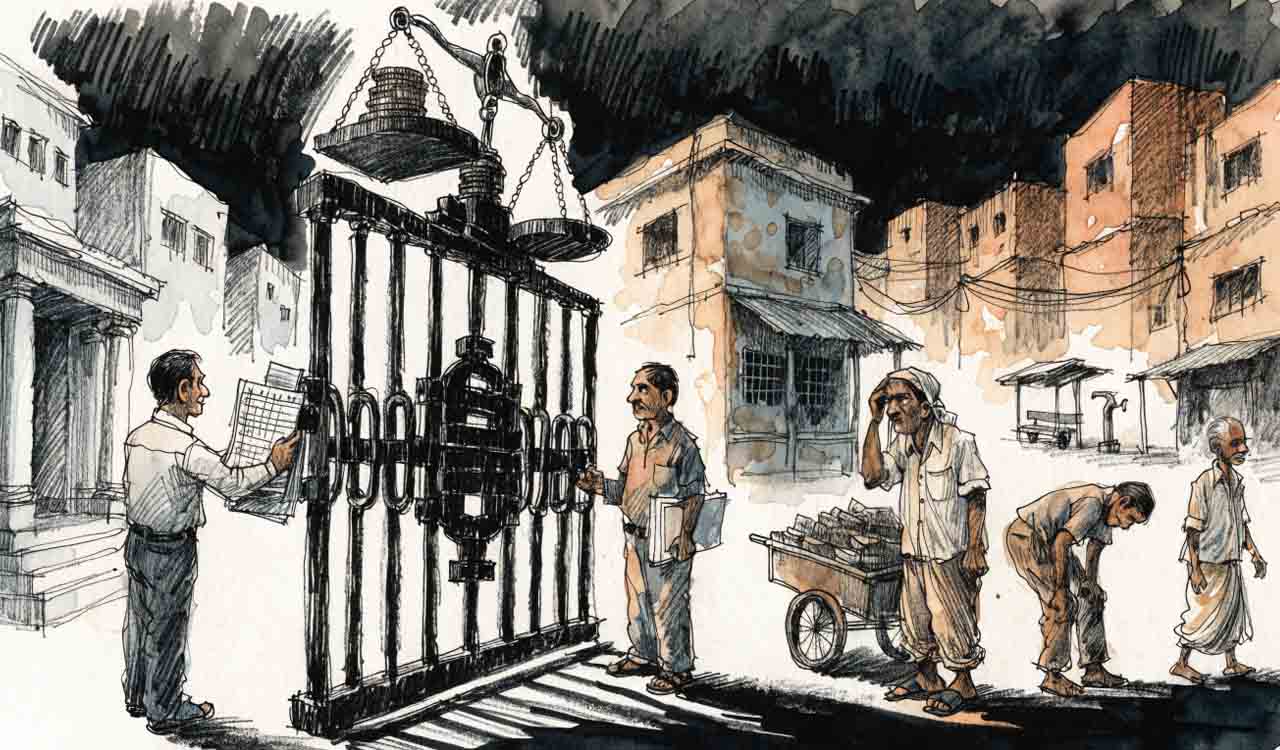
On paper, the framework is robust. In practice, it is failing to prevent repeat disasters. A key issue lies in the fragmented enforcement system. Boiler regulation is largely administered by States, resulting in disparities in inspection quality and frequency. Some States maintain relatively strong systems, while others face acute shortages of qualified inspectors. In many cases, a single inspector is responsible for hundreds of boilers, making meaningful inspection difficult. This leads to procedural compliance rather than rigorous technical evaluation.
The challenge is also technical. Modern boilers — particularly high-pressure units — require expertise in metallurgy, thermodynamics, and failure analysis. However, training systems for inspectors are uneven, and exposure to advanced diagnostic methods such as non-destructive testing and condition monitoring is limited. As a result, inspections often lack the depth required to detect early warning signs of failure.
Lack of Transparency
Industrial practices further aggravate the problem. In several sectors, particularly small and medium enterprises, boilers are operated with inadequate maintenance, poor water quality control, and sometimes untrained personnel. Safety interlocks may be bypassed to maintain production, and preventive maintenance is often delayed. These practices reflect systemic gaps rather than isolated errors.
The most critical concern, however, lies in the lack of transparency after accidents. Under the Boiler Accident Inquiry Rules, 2021, serious accidents are investigated in detail, covering root causes, equipment failure mechanisms, and human and systemic factors. These investigations generate valuable technical insights and recommendations. Yet, such reports are rarely made public. They remain confined to official records, limiting access for engineers, operators, and policymakers.
Under the Boiler Accident Inquiry Rules, 2021, serious accidents are investigated in detail, yet reports remain confined to official records, limiting access for engineers, operators, and policymakers
This lack of transparency has serious implications. It restricts knowledge sharing across States and industries, weakens accountability, and deprives policymakers of a reliable evidence base. In effect, India investigates accidents but does not fully learn from them.
In contrast, sectors such as aviation have shown that public disclosure of accident reports significantly improves safety outcomes by institutionalising learning. Boiler safety, given its risks, deserves a similar approach.
Lessons from Chhattisgarh
It is, therefore, important that the Central Boilers Board plays a more proactive role. The Board should ensure that all accident investigation reports conducted under the Boiler Accident Inquiry Rules, 2021, are published on its official website within a defined timeframe. Such a measure would promote transparency, enable knowledge sharing, and strengthen accountability.
In addition, several policy measures merit consideration. Standardising inspection practices through digital platforms can help ensure uniformity across States. Strengthening technical capacity through regular training and certification of inspectors is equally important.
Risk-based inspection systems can focus attention on high-capacity and ageing boilers. Clear accountability mechanisms must be established for operators, inspectors, and certifying authorities. Adoption of modern technologies, including real-time monitoring and predictive maintenance, should also be encouraged.
India does not lack laws or technical knowledge. The challenge lies in consistent enforcement, adequate technical capacity, and a culture that prioritises safety. Boiler accidents, whether in power plants or industrial units, often follow a similar pattern: warning signs are overlooked, inspections are inadequate, and lessons from past incidents are not widely shared.
The recent Chhattisgarh tragedy serves as a reminder that systemic improvements are urgently needed. The way forward is clear: enhance transparency, strengthen technical systems, and ensure accountability. With coordinated action, it is possible to reduce the recurrence of such accidents and improve overall industrial safety in the country.

(The author is Deputy Director of Boilers [retd], Mysuru)

Related News