Opinion: Cinema ticket price controls don’t work
Karnataka’s cinema ticket ceiling ignores how competition from gaming, live entertainment, and a sprawling OTT landscape already checks pricing



By Dr Chitra Saruparia
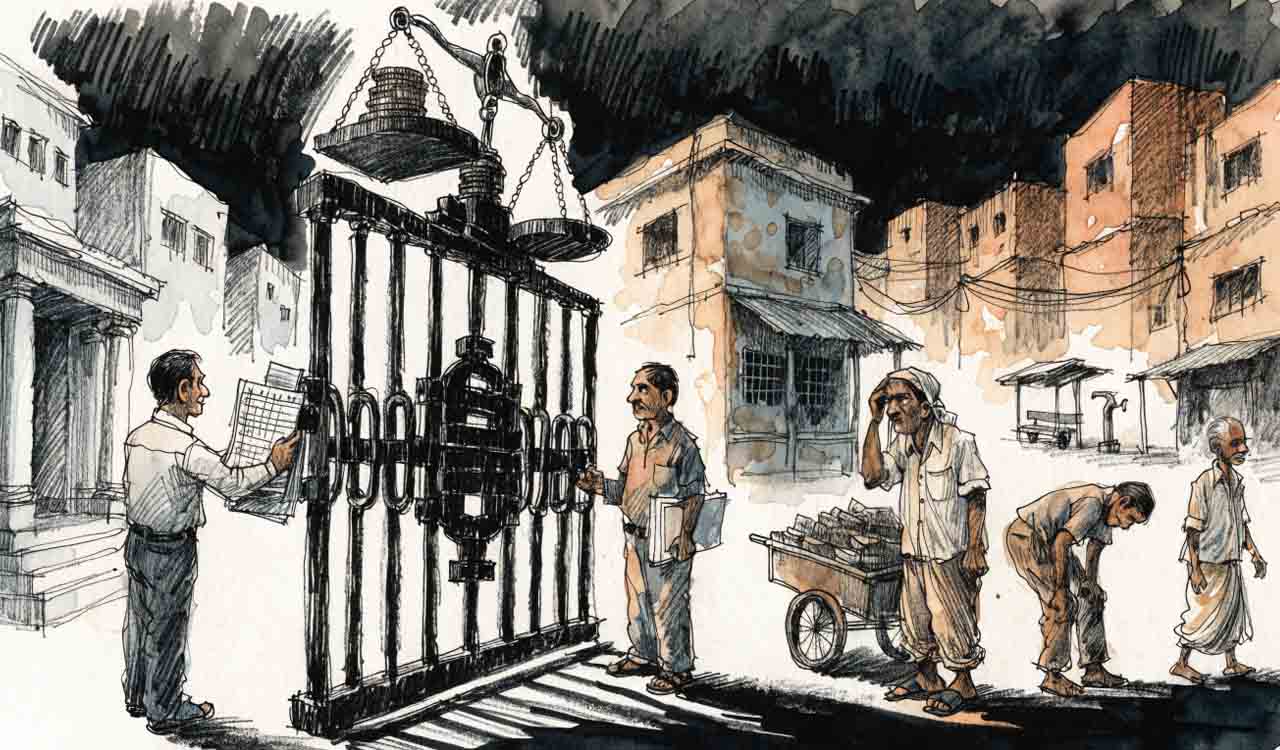
In September 2025, the Karnataka government notified a uniform ceiling of Rs 200 on cinema tickets, presenting it as an affordability measure to protect viewers from “excessive pricing.” Within days, multiplex operators and producers challenged the policy before the Karnataka High Court, which granted an interim stay on enforcement. This swift pushback reveals an important truth: ticket caps may sound pro-consumer, but they rest on shaky economic foundations.
Also Read
Multiplex Economics and Pricing Structure
At first glance, the policy appears intuitive. If ticket prices are “too high,” bring them down through regulation. But cinema pricing is not arbitrary — it reflects the underlying economics of the multiplex business. Modern theatres operate with high fixed costs: mall rentals, digital projection equipment, advanced formats such as IMAX and 4DX, safety compliance mandated under the National Building Code of India, and large operational staff.
A Rs 200 ceiling treats all these cost structures as identical, forcing expensive premium screens to operate at the same capped rate as small single screens. In other words, the very features and comforts that justify higher ticket prices (like reclining seats or cutting-edge audiovisual technology) would become commercially unsustainable under the cap.
When the regulated price falls short of the true cost of providing high-quality services, the consequences are predictable. Multiplexes cut back on premium formats, postpone technological upgrades, reduce showtimes during high-demand periods, and slow down expansion into smaller cities. This is textbook economics: price ceilings distort incentives and lead to underinvestment. Even in the short-lived Karnataka episode, multiplex chains made it clear that a blanket cap would make premium technologies commercially unviable.
Not an Essential Commodity
Equally important, cinema is not an essential commodity. Price controls are justified in sectors where exclusion has significant welfare implications — such as medicines regulated under the Drugs (Prices Control) Order, 2013, or utilities governed through tariff rules. Cinema falls into none of these categories. Viewers today have more substitutes than at any point in history: weekday and early-morning shows, single screens, and digital streaming platforms like Netflix, Amazon Prime Video, and Disney+ Hotstar. In a diverse entertainment economy, multiplexes do not possess the market power that warrants coercive price intervention.
The argument for affordability also weakens once we consider the evolution of consumer rights in cinema halls. Courts have already allowed viewers to bring outside food and water into theatres, directly addressing what was historically the single biggest complaint about movie-going costs. With this pressure point neutralised, ticket caps do not solve a real economic problem. A viewer attending a Rs 120 weekday show with their own food is not being excluded from the market. What price ceilings ultimately do is distort the natural price differences across formats, forcing high-cost screens to charge the same as low-cost ones.
More fundamentally, a blanket ceiling ignores economic diversity. A Rs 200 ticket may be affordable for a regular 2D screen in a tier-2 town, but deeply distortive for an IMAX auditorium requiring massive capital expenditure. Karnataka’s unusual exemption for “premium screens” with fewer than 75 seats further complicates matters. If the intention is affordability for the masses, why exempt luxury recliner halls while capping large-format IMAX screens? This inconsistency itself demonstrates the difficulty of designing price caps that are fair, consistent, and economically grounded.
The interim stay granted by the High Court reflects this underlying economic logic. Instead of endorsing the cap, the court directed theatres to maintain proper sales and refund records— a move that signals a more refined regulatory approach. Transparency in pricing, audit trails, and disclosure obligations are more effective tools than arbitrary ceilings. These measures align with contemporary regulatory thinking, including principles articulated by the Competition Commission of India on transparency, consumer choice, and market efficiency.
There is a political-economy dimension as well. Ticket caps rarely benefit the poorest consumers. Those priced out of multiplexes tend to rely on single-screen theatres or wait for OTT releases. In reality, the cap inadvertently protects single-screen businesses with lower cost structures that benefit when multiplexes are restrained. If governments genuinely want to preserve single screens as cultural institutions, targeted measures such as tax incentives, digitisation grants, or infrastructure support — akin to schemes under the Ministry of Information & Broadcasting’s cinema modernisation initiatives would be far more efficient and transparent than suppressing multiplex pricing.
Market Forces
The modern entertainment market also undermines the rationale for ticket ceilings. Cinema no longer competes only with cinema. It competes with gaming ecosystems, live sports streaming, concerts, influencer-driven entertainment, and a sprawling OTT landscape. In such a fragmented market, consumer choice acts as a natural check on pricing. If multiplexes overcharge, viewers migrate to alternatives instantly. The Karnataka episode — policy announcement, industry resistance, judicial scrutiny — exposes how fragile the economic justification for price caps really is.
Price ceilings may generate political applause, but they come at a high economic cost. They discourage investment, reduce technological innovation, and limit the availability of high-quality cinema formats in smaller cities. Karnataka’s 2025 experience demonstrates that the future of cinema regulation lies in smarter oversight, ensuring transparency, facilitating competition, and safeguarding consumer rights rather than in blanket price freezes that distort an entire industry.
India’s cinemas thrive not when governments fix prices, but when policy respects business freedom, encourages innovation, and allows market choice to guide investment. The Rs 200 ceiling might have sounded pro-consumer, but its long-term effect would have been to dim the lights on cinema quality and access across the State.
Dynamic pricing (charging different rates for peak vs off-peak shows, or for blockbuster first weeks vs later runs) is a standard practice that helps theatres balance affordability with profitability. A blanket ceiling kills this flexibility. Over time, that can reduce the availability of big-ticket films or special formats in Karnataka – why would a distributor allocate an IMAX print to Bengaluru if it cannot earn more there during a big release, whereas in neighboring States it can? These subtle market adjustments can deprive local audiences of the full range of cinematic experiences.

(The author is Director of the Center of Economics, Law and Public Policy at National Law University, Jodhpur)

Related News