Opinion: What EU parliament missed
Tribal land alienation, non-application of Sixth Schedule to autonomous district councils, loss of land and livelihood are some of issues that need attention


By Dr Nayakara Veeresha
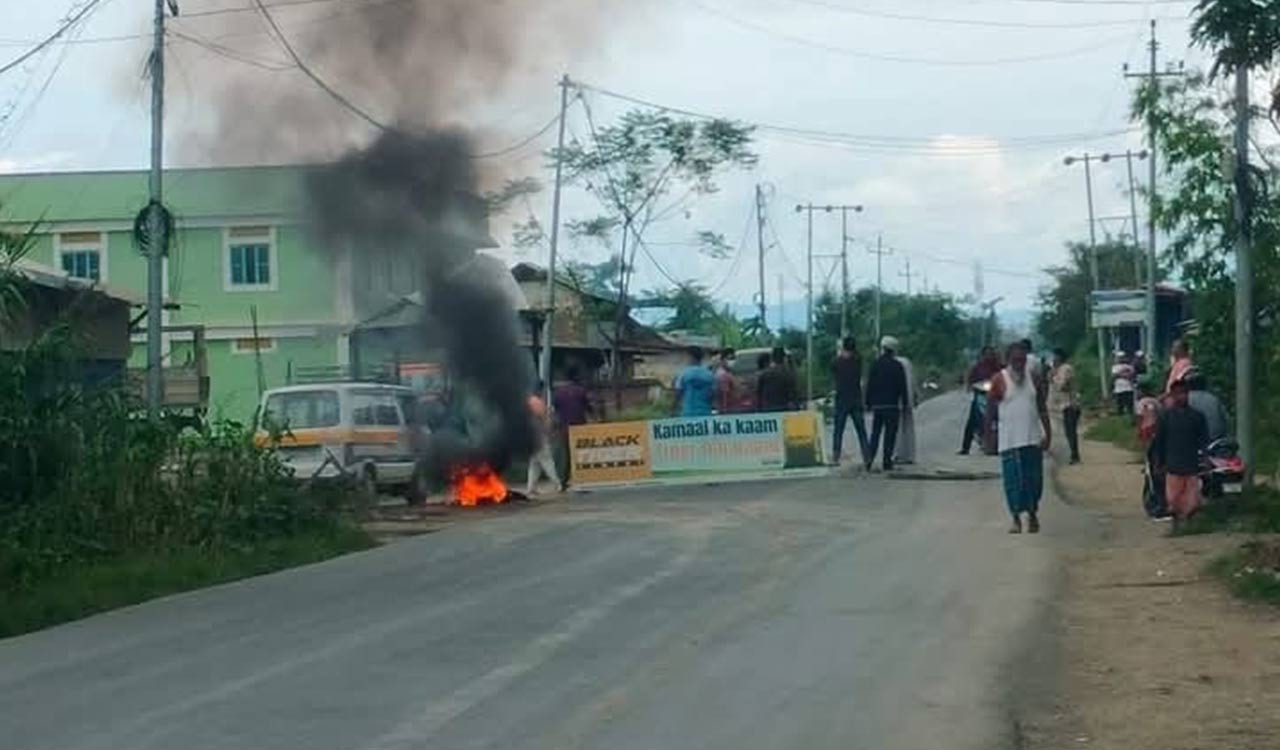
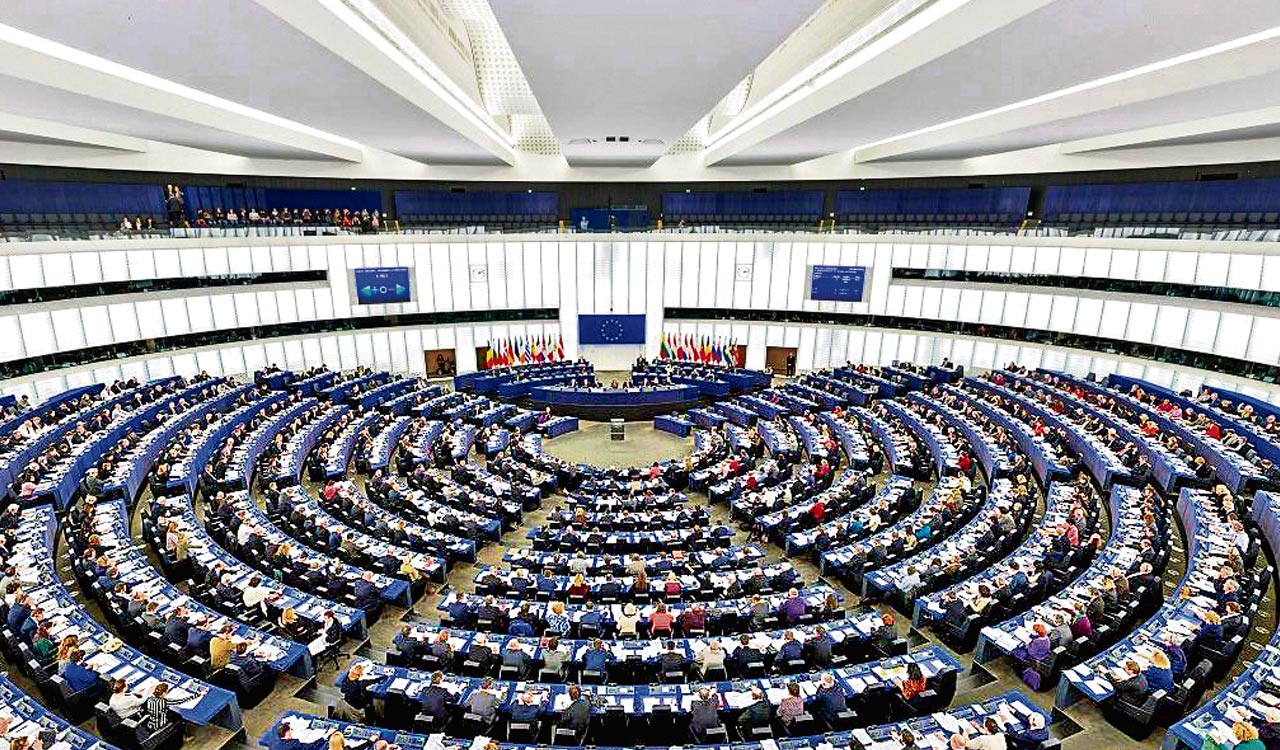
On 12 July 2023, the European union parliament passed a resolution on matters related to India with particular reference to the situation in Manipur. The resolution urged the Indian government and authorities to take necessary steps to mitigate the violence and protect religious minorities, especially Manipur’s Christian community. It also called for a dialogue between the government, civil society organisations and tribal groups to rebuild the trust between the different communities. The resolution sought the repeal of the Armed Forces Special Powers Act (AFSPA).
Also Read
The government of India was quick to respond to this resolution and discussion as “unacceptable” and a reflection of “colonial mindset”. India’s stand on this issue as interference in the nation’s internal matters is right. However, in this context, it is essential to discern the concerns of the EU parliament and India’s response within the framework of the nation-state’s sovereignty.
Internal Affairs
The Treaty of Westphalia 1648 clearly established the sovereignty of a nation-state in matters of internal affairs. Seen from this perspective, a nation-state’s sovereignty is the hallmark of the modern state apparatus. The emergence of forces such as liberalisation, privatisation and globalisation (LPG) has effectively created ruptures and erased the boundaries of a nation-state. These forces have considerably reduced the monopoly of nation-state including in matters of internal governance of a country.
The situation in Manipur is no doubt of grave concern. As per the Westphalia treaty, the EU parliament’s resolution on Manipur violates the well-settled political and legal principle of non-interference in the country’s internal matters by all the nation-states. The resolution raises critical questions with regard to the nation-state and its sovereignty.
It is undeniable and undisputable that the governance crisis in Manipur has crossed the boundaries of the state and nation, and drawn the attention of international organisations. The problem with the EU parliament resolution is not in terms of the concerns it raised but the tone and tenor of the text. To illustrate, it has tried to equate it in terms of religious conflict and urged to protect the rights of minorities. The religious undercurrent of the problem is a mere consequence but not a cause. The real issues are political in nature, more specifically the governance aspects. The single-judge order of the Manipur High Court directing the State government to include the Meites on the list of Scheduled Tribe is, of course, a triggering point yet it does not reflect the core issues.
The issue of underdevelopment between ‘hilly’ and ‘plain’ areas is a common point of development conflict in most of the northeastern States. Similarly, the growing demand of some of the socially advanced communities to be included on the list of Scheduled Tribes is posing administrative and governance difficulties in the States where the tribal population is high. The continuation of a largely British template of governance in the form of the Sixth (fully excluded areas) and Fifth (partially excluded areas) Schedules of the Constitution and measures such as Inner Line Permit (ILP) are the pointers that need political dialogue among the union and State governments.
Status of Tribe
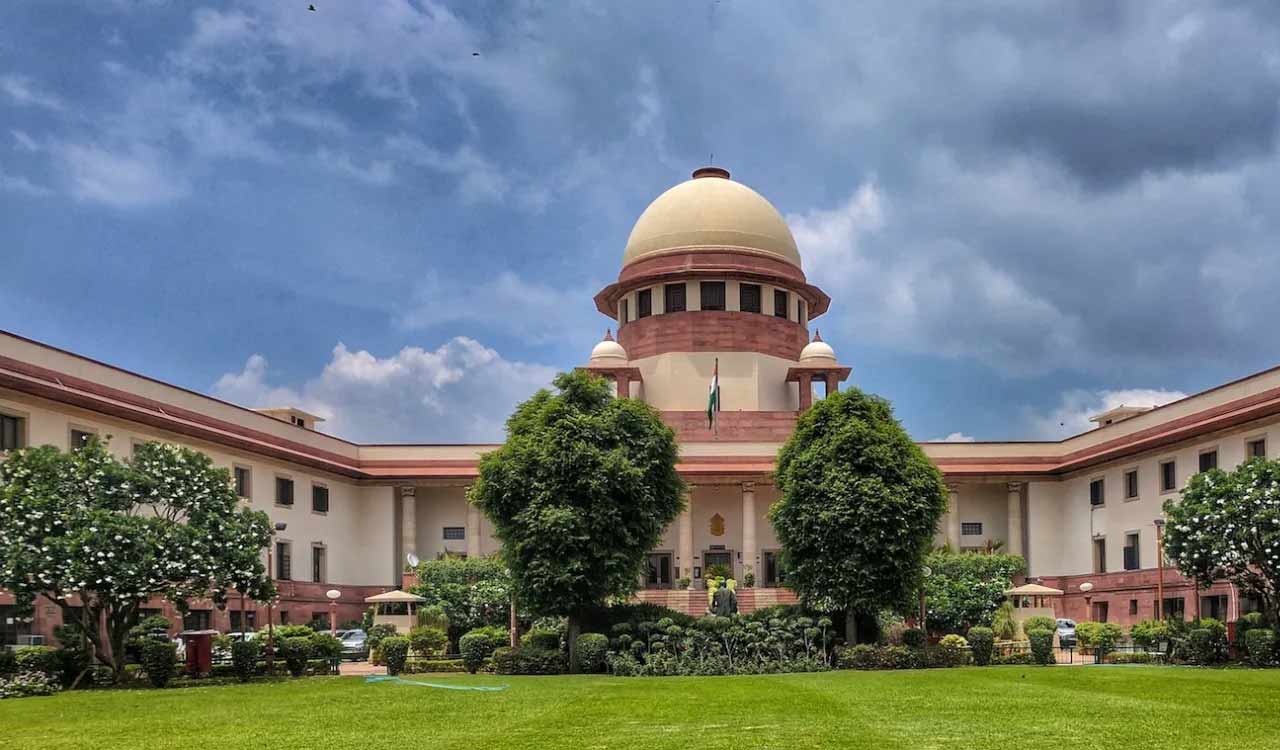
Tribal land alienation, non-application of the Sixth Schedule to the autonomous district councils, illegal migration from Myanmar and the loss of land and livelihood are some of the critical governance issues that require visionary leadership to be resolved. The ineffective implementation of Article 371C is seriously eroding the progressive development of Manipur. Currently, the status of a tribe is determined on the basis of indicators such as “primitive traits, distinctive culture, geographical isolation, shyness of contact with the community at large, backwardness” as per the Lokur Committee recommendations in 1965.
The administrative procedure adopted to approve/disapprove the demand of a community to join the ST list from a State/UT is sent to the Ministry of Tribal Affairs. The ministry will forward the request to the Office of Registrar General of India and the National Commission of Scheduled Tribes, respectively. A community can be included on the ST list only if both these offices approve. In February 2023, the ministry evaded and refused to answer the question on the number of requests that the government had in hand with regard to the inclusion of ST.
However, it must be noted that 112 communities from 21 States sent proposals to be included on the ST list as of July 2018. The Manipur high court’s judicial governance reflects the failure of governance on the State and union government in developing a rationale criterion for determining the ST status of a community. The EU parliament resolution failed to understand the political nature of the problem only to further strengthen the Indian state and its hegemonic politics.
Sovereignty at Stake
The EU parliament’s resolution on India’s internal governance matter begs the question of the nation-state’s sovereignty and its implications on global governance. While there is no imminent threat to the nation-state’s sovereignty; however certainly there are challenges to its monopoly in this globalised world.
One of the most striking impacts of globalisation is the gradual decline in the power of the state with respect to territorial sovereignty. Yet globalisation with its inherent limitations such as not moving beyond certain regions has provided a fertile environment for the modern state to develop and expand its applicability and legitimacy. The resurrection of the state is more evident in the anti-globalisation movements spearheaded by the indigenous communities in Canada, France, Australia, South Africa and South Asian nations.
The US-China trade conflict, political crisis in West Asia and Ukraine-Russia tensions — all these events mark the beginning of what may be termed as a globalised state. This globalised state takes up issues of universal importance such as establishing democracy and peace in the world. At the same time, it calls for balancing the political sovereignty of the state in domestic and international politics.

Related News