Why the ‘8×8’ water rule no longer applies, according to Indian nutrition experts
The long-accepted ‘8×8’ water rule is now considered outdated, with Indian nutrition experts stressing personalised hydration. ICMR-NIN guidelines recommend higher fluid intake based on climate, lifestyle and activity, urging people to rely on thirst cues rather than rigid targets.
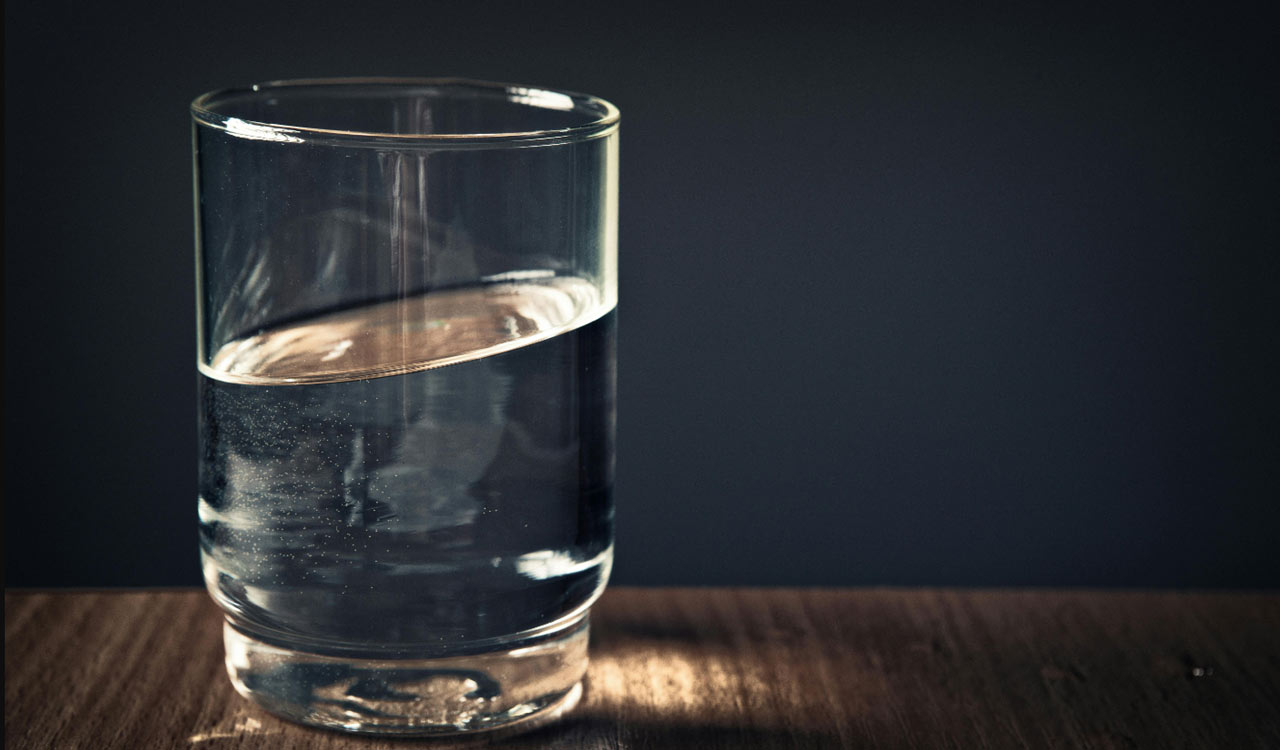


Hyderabad: For a long time the ‘8X8’ rule, which suggests that every individual must drink eight glasses of eight ounces of water, which works out to 1.89 litres per day, was a gold standard for hydration.
However, those days of one-size-fits-all approach to stay hydrated are quite outdated, top nutrition research institutions and public health advocates have acknowledged that water needs for each individual are far more nuanced than simply counting the number of glasses.
In its landmark 2024 Dietary Guidelines for Indians, the Hyderabad-based ICMR-National Institute of Nutrition (NIN) has strived to provide a more accurate target based on specific Indian climate and lifestyle. For a healthy adult male, the ICMR-NIN guidelines suggest a daily fluid intake of close to 3.7 litres, while for women, the target should be close to 2.7 litres, which also includes beverages like milk, coffee, tea etc and not just only water.
Noted neurologist from Hyderabad and a popular public health advocate on X, Dr Sudhir Kumar believes that individuals should have an intuitive approach to hydration “There is no scientific evidence to support the 8 glasses of water per day rule for everyone. The body has a very sophisticated mechanism to maintain fluid balance and usually thirst is the most reliable indicator of when an individual needs to drink water”.
Senior doctors also warn the general public from forcefully consuming water just to meet some preconceived targets, as it could lead to over-hydration, leading to low salt levels in the blood.
The national level dietary guidelines also make it clear that there are several factors that dictate how much an individual should actually consume water. Many Indian staple food like succulent fruits and hydrating vegetables like cucumbers, which are 90 percent water, contribute significantly to hydration.
The ICMR-NIN also points out that personal requirements are also driven by physical activity, body weight and surrounding environment, as someone working outdoors in heat will require more fluid intake than someone working in front of a laptop in an air-conditioned room.
Instead of strictly counting glasses, the ICMR-NIN guidelines and public health experts advise the general public to keep a close tab on their thirst and physical attributes like color of urine.
- Pale yellow (lemonade) urine indicates good/ideal hydration
- Dark yellow/amber is a warning light from the body about dehydration
- Deep orange/brownish is severe dehydration, resulting in dry mouth, fatigue
- Listen to body and recognise that hydration comes from both plate and water glass
- Total fluid intake, including beverages, Indian adults need 3.7 litres while women need 2.7 litres
- 8 glasses water per day is an outdated advisory

Related News