Editorial: GST 2.0, a welcome course correction
Curbs on tax officials’ arrest powers, judicial scrutiny for arrests, and a higher prosecution threshold could make GST 2.0 more taxpayer-friendly and responsive
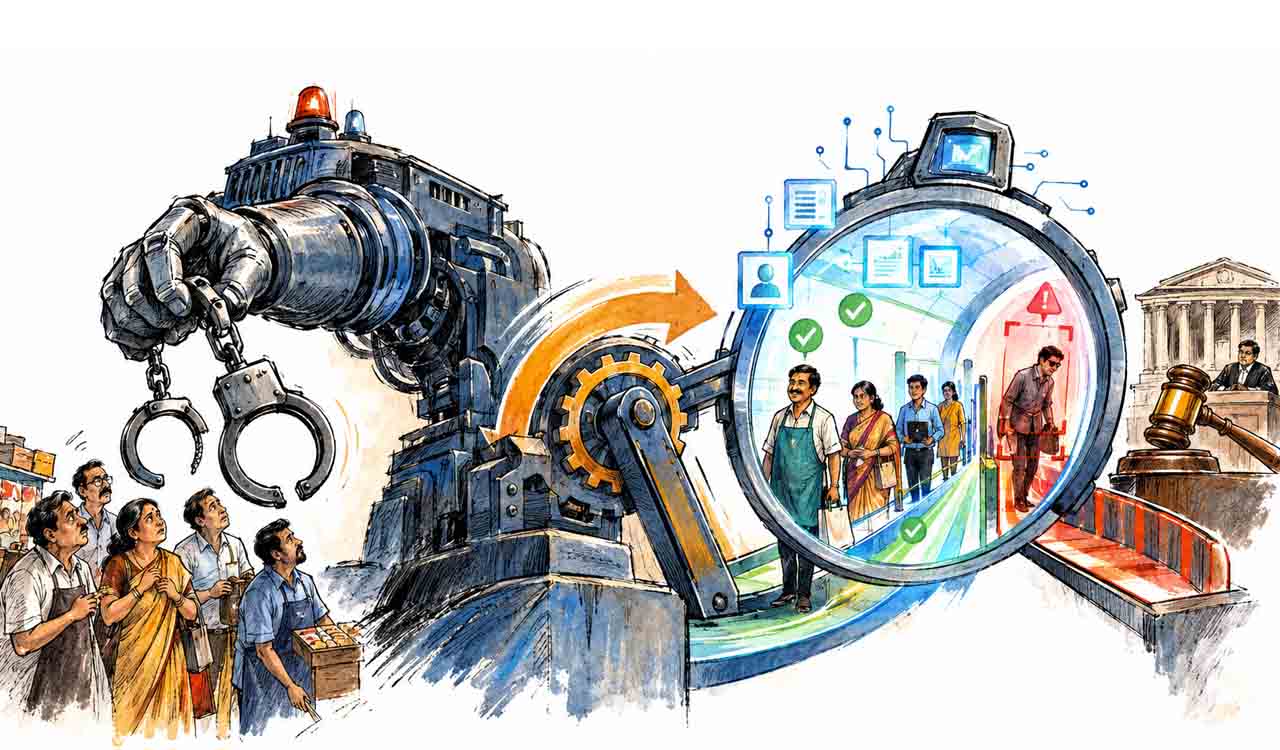


Though the overall report card of the GST regime has been satisfactory, there are areas that need course correction to make the system more effective and responsive. Sweeping arrest powers were one of the provisions that drew criticism, and rightly so. It was widely seen by businesses as an instrument of harassment. The second phase of GST reforms proposes to take away arrest powers from tax officials and make a court order a prerequisite for any arrest. The 57th GST Council meeting, to be held in Delhi, is set to deliberate on the proposed reforms in the enforcement and compliance areas. This is a welcome development as it could become the next major pillar of the government’s next-generation GST reforms, the GST 2.0. The key objective is to distinguish between deliberate tax evasion and genuine compliance-related issues. The prosecution threshold for tax evasion is also being raised from Rs 1 crore to Rs 5 crore. This must be seen as a move towards a more mature system — one that does not paint everybody with the same brush. Under the existing framework, authorised officers can invoke Section 69 of the CGST Act and arrest individuals suspected of specified offences, including issuing fake invoices, fraudulent input tax credit claims and collecting tax without depositing it with the government. While these powers are intended for serious violations, the prospect of arrest by tax authorities has long raised concerns about harassment of taxpayers.
The proposed reforms take a more balanced approach. Ordinary disputes should primarily be settled through assessment, recovery of tax, interest and penalties. Criminal prosecution should be reserved for substantial fraud, with arrests requiring judicial scrutiny. Such a framework would strengthen due process without weakening the State’s ability to penalise tax evaders. The proposals also narrow the scope of prosecution provisions so that they do not apply to routine cases. Small e-commerce sellers could use platform warehouses for GST registration. The registration system would also show applicants only the relevant sections and give them a tailored document list. The wider GST 2.0 agenda has some encouraging features. These include faster, risk-based refunds, simpler registration, protection of genuine buyers’ input tax credit, and fewer low-value notices that can substantially reduce compliance costs. Allowing businesses to apply for registration in multiple States through a common process could further improve ease of doing business. The reforms must spell out a clear roadmap: trust compliant taxpayers, let technology conduct thorough risk checks, and pursue fraudsters aggressively. Overcoming the initial scepticism, technical glitches and political differences, the GST regime, an audacious indirect tax reform rolled out in 2017, has come a long way and proved largely beneficial for the country. The taxpayer base grew from 66.5 lakh at the time of launch to 1.6 crore in 2026. Steady double-digit growth, despite rate cuts, indicates base-widening and improved compliance.

Related News