Editorial: India’s tuberculosis elimination target remains elusive despite progress
High case numbers, undernutrition, and healthcare gaps continue to hinder elimination goals, making it imperative that the new 100-day campaign addresses systemic issues to ensure lasting impact



India was supposed to have become tuberculosis-free this year but failed to meet the deadline set over eight years ago. Over 27 lakh new cases are reported annually, the highest in the world. More alarmingly, three lakh people die due to this bacterial disease, and nearly 10% of successfully treated patients experience a recurrence within two years. On World TB Day, there is a need for a candid assessment of the outcomes of public policies aimed at eliminating the disease. Despite making significant progress in reducing the number of tuberculosis cases, particularly in the past decade, India still falls short of its targets. The annual Global TB report by the World Health Organisation (WHO) paints a grim picture, illustrating how the high burden of TB cases poses a formidable challenge. Close to one lakh cases go undetected in the country, increasing the chances of the infection spreading. Against this backdrop, the Centre’s 100-day campaign against TB, rolled out on March 24 to coincide with World TB Day, is a welcome step in the right direction. It is essential to carry out intensive public health programmes against difficult contagions, focusing on high-risk areas. Over the next 100 days, healthcare workers will screen people living in 1.58 lakh villages. They will also reach out to vulnerable groups such as those living with HIV, diabetes and residents of high-density areas. One of the key issues in the fight against TB is the need to provide nutritional support to patients.
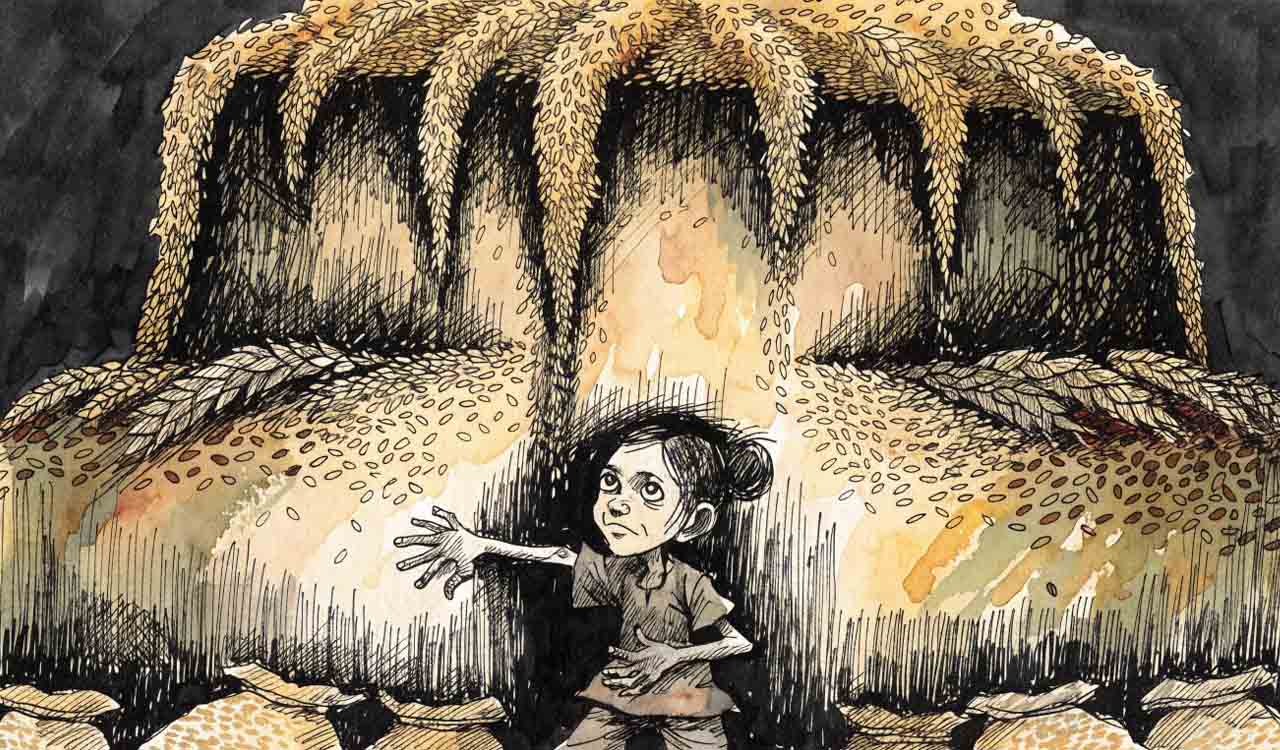
Undernutrition in India is closely linked to poverty, food insecurity and a predominantly cereal-based diet with deficient protein intake. The latest drive should help identify the gaps in the ongoing national programmes and lay the groundwork for improved support systems, including enhanced diagnostics, regular follow-ups, and better community engagement. The government is rightly pushing for the Rs 1,000 monetary support for TB patients’ nutrition. The thrust on timely payments is a must for the success of the campaign. Authorities must take a serious note of reports that delays in processing the payment have rendered the nutritional support ineffective in several parts of the country. Undernutrition contributes to nearly 40% of new cases in India, and improving the population’s nutritional status is bound to offer an alternative approach to reducing TB incidence. The WHO released new guidelines last year recommending nutritional interventions in settings of poverty and undernutrition. In the Indian context, due to deficiencies in the public sector, nearly 80% of TB patients choose to incur large out-of-pocket expenses and seek treatment from unregulated private practitioners. This stark gap highlights the strain on India’s health infrastructure and the impact on patients, whose access to quality care remains inconsistent. Also, weak healthcare infrastructure, especially in rural areas, and socio-economic disparities hinder access to diagnosis and treatment.
Also Read

Related News