Editorial: Testing time for Indian diplomacy
The rapidly deteriorating situation in Bangladesh poses multiple challenges to India, including growing insecurity and infiltration along the 4,000-kilometre border
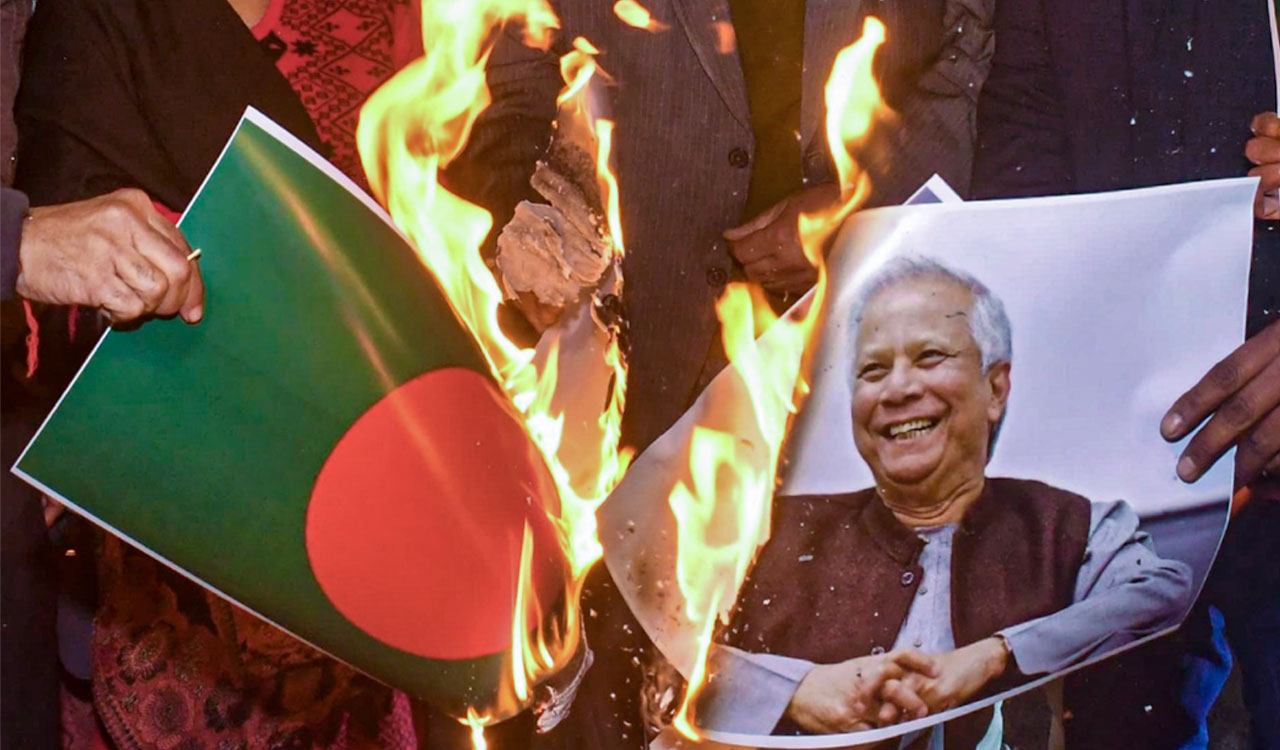


With the civil unrest in Bangladesh, fuelled by political vacuum, anti-Indian sentiments and the rise of radical Islamic forces, spilling across the border, it is a testing time for New Delhi’s diplomacy. There is a need to navigate the current turbulence with utmost caution and pragmatism. An already-strained bilateral ties took a further hit after the killing of youth leader Sharif Osman Hadi in Dhaka, a key face of last year’s July uprising against Sheikh Hasina that led to her ouster and installation of an interim government headed by Nobel laureate Muhammad Yunus. The widespread violence that followed appears to be spinning out of control. The lynching of a Hindu worker, Dipu Chandra Das, in Mymensingh has raised serious concerns over the safety of minorities in the country. Amid mounting protests, Bangladesh suspended visa services at its High Commission in New Delhi and missions in Tripura and Siliguri, citing unavoidable circumstances. India has suspended visa services at its Chittagong mission after protesters attempted to storm the compound. The systematic attacks on minorities are a grim indicator of how rapidly the country is sliding into mob rule under the watch of an unelected interim dispensation. India, with its strategic commitment to a stable South Asia, must tread carefully. Dhaka must recognise that India’s concerns about minority safety and political stability are not merely rhetorical but reflect broader regional stability imperatives.
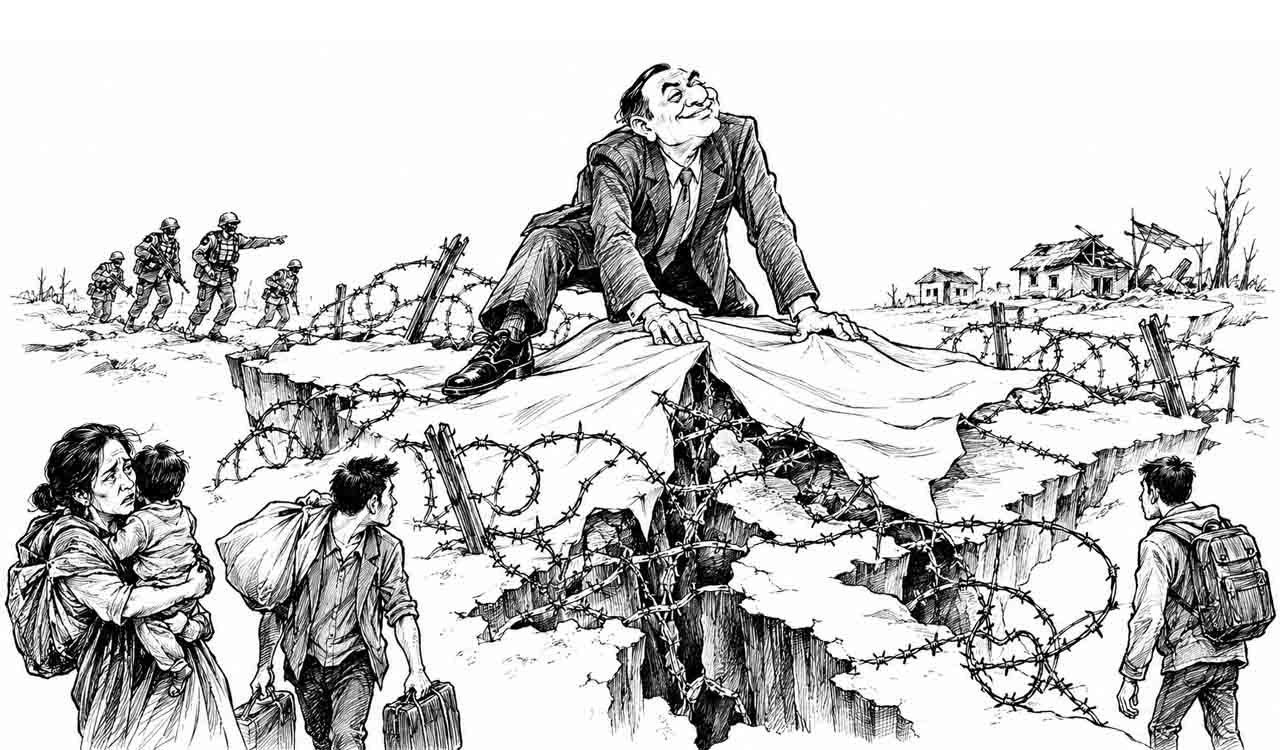
The rapidly deteriorating situation in Bangladesh poses multiple challenges to India, including growing insecurity and infiltration along the 4,000-kilometre border, the rising threat of anti-India forces establishing cross-border bases, and the exploitation of the bilateral friction by Islamabad and Beijing at a time when Bangladesh actively pivots towards a Pakistan-China axis in the region. India would closely watch the outcome of national elections, scheduled in February, and calibrate its diplomatic approach towards the new regime. Dhaka’s demand for the extradition of former Prime Minister Sheikh Hasina could be a major sticking point in the relationship. For India, extraditing Hasina to her home country to face the gallows is simply not an option. It must adopt a pragmatic approach with the new dispensation to find a way out. India’s engagement must be guided entirely by national interests. By all accounts, the February election appears to be a sham, with Hasina’s Awami League being banned from participating in it. Any regime that takes over after such a dubious electoral process is bound to be hostile to India and is expected to give a free hand to the radical elements to whip up anti-India sentiments to cover up its governance failures. However, it must be pointed out that the two countries share strong people-to-people ties. This bond had translated into concrete cooperation during the Awami League regime on trade and security fronts. By focusing on shared interests and maintaining open communication, the two neighbours can ensure that their relationship remains resilient despite political turbulence.

Related News