Opinion: Millets as seeds of change
Adoption of millet faces a substantial obstacle due to the impact of pricing dynamics, particularly the presence of subsidies that favour staple grains such as rice and wheat


By Gummadi Sridevi, Amalendu Jyotishi and Kavya Sanjaya
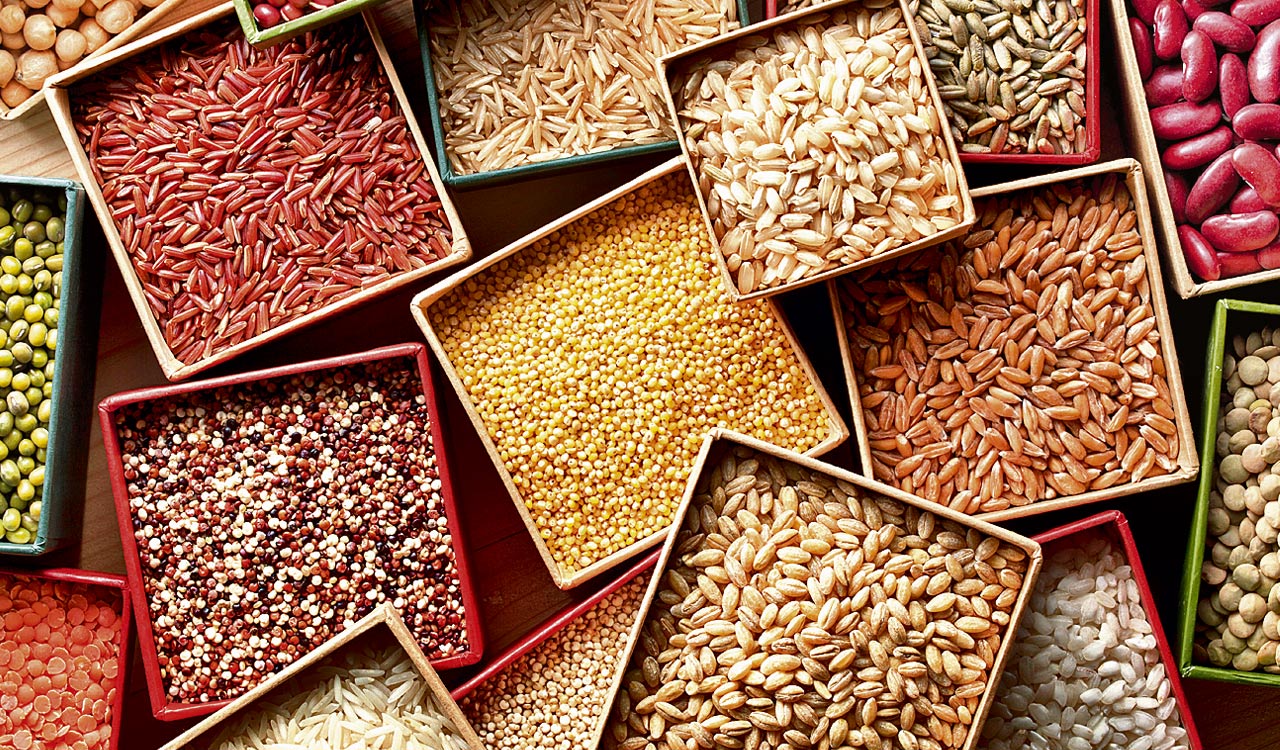
In the heartland of India’s farming history, a quiet change is happening around grains, which are often overshadowed by rice and wheat. Millets, which look like ordinary seeds but are very healthy, are now at the head of a food revolution in India. Before we get into the details of millets, it’s important to peel back the layers of this story and understand why it is relevant in the Indian setting.
Also Read
India is currently confronted with an enduring problem of malnutrition, which poses a significant threat to the well-being of children and women. A study, undertaken in February, examined a sample size of around 56 million children in India. The results indicated that a total of 2.6% of the observed children were classified as severely malnourished while 7.7% of the children were categorised as malnourished, ie 14.56 lakh and 43 lakh, respectively. The underlying causes of malnutrition encompass a range of factors, including limited availability of nourishing food, inadequate sanitation infrastructure, limited access to healthcare services and persistent socioeconomic disparities.
Millets have emerged as a possible option due to their high nutritional content, including enhanced quantities of protein, fat, carbs, fibre and micronutrients, in comparison with rice and wheat. Nevertheless, the accessibility of millets for economically disadvantaged households is impeded by economic inequities. The adoption of millet faces a substantial obstacle due to the impact of pricing dynamics, particularly the presence of subsidies that favour staple grains such as rice and wheat.
Centre’s Push
In view of the huge possibilities associated with millets, the United Nations officially designated 2023 as the ‘International Year of Millets.’ This decision is in accordance with the Indian government’s dedication to acknowledging the advantages of millets in terms of sustainability and human well-being. In response to a governmental declaration designating 2018 as the National Year of Millets, there has been a substantial surge in millet production, with quantities increasing from 14.52 million tonnes during 2015-16 to 18.02 million tonnes within 2020-21. This spike is in accordance with the Poshan Mission Abhiyan, wherein more than 500 startups are engaged in various activities within the millet value chain.
The government has provided support to over 66 startups through initiatives such as RKVY-RAFTAAR, with an allocation of more than Rs 6.2 crore, to address the disparity between millet supply and demand. The government actively supports farmers by implementing programmes and policies that aim to optimise the utilisation of millets and address difficulties associated with their production and consumption.
Telangana’s Initiatives
According to the Telangana State Development Planning Society (TSDPS), it has been observed that approximately 1.58 lakh children, out of a total of 18.7 lakh, suffer from malnourishment. Despite concerted efforts, several regions within the State face significant challenges in addressing the issue of malnutrition, particularly among children under the age of five. Several factors contribute to the ongoing difficulty, including a lack of accessibility and information on nutrition, restricted access to healthcare services and barriers to achieving optimal agricultural productivity.
Telangana has undertaken deliberate steps to build more than 50 specialised millet shops throughout its territory, acknowledging the nutritional significance of the commodity. These retail establishments fulfil a dual function by allowing the commercialisation of products derived from millet and advocating for the increased use of such goods. The incorporation of millets into various social welfare initiatives, such as Anganwadi centres, Mid-Day Meal programme and urban canteens, has been undertaken by the government of Telangana.
The incorporation of meals based on millet in Anganwadi centres, which plays a vital role in promoting nutrition during early childhood, for pregnant women, along with the modification of the Mid-Day Meal programme to incorporate millet-based meals, exemplify a comprehensive strategy. The primary objective of these endeavours is to address the issue of malnutrition, while concurrently promoting the use of sustainable agricultural methods and offering assistance to millet growers within the local community.
Civil society initiatives in Telangana go beyond mere awareness campaigns and actively participate in community collaborations. The objective of engaging in partnerships with local farmers and Farmer Producer Organisations (FPOs) is to develop a direct linkage between producers and consumers, with a primary focus on the economic benefits associated with the promotion and sustainability of local agriculture. Similarly, the private sector has assumed a leadership role in promoting millet consumption.
Beyond Simple Food
Millets are little but powerful and go beyond simple food tastes. Their return signifies a revolutionary change in the fields of nutrition, livelihoods, and ecology as well as in our eating habits. From an ecological perspective, millets are winners since they require very little water and can adapt to a wide range of agroclimatic circumstances. They keep biodiversity intact, improve soil fertility, and have lower carbon emissions to protect the environment.
Millets are essential for a living, particularly for small farmers. In addition to its ecological advantages, millet production promotes adaptability, diversifies agriculture and lessens dependence on monocultures. This in turn fosters self-reliance and community resilience by strengthening economies and enabling local communities to maintain traditional farming practices.
When it comes to nutrition, millets are a superfood that help with the ongoing problem of malnutrition. They provide a balanced diet due to their high protein, fibre and vitamin content, and offer a sustainable answer to the problems associated with global food security. Because of their rich supply of nutrients, they are essential to the development of broad, varied food systems that cut across national and regional borders.
Beyond only providing for basic needs, the story of millets demonstrates a dedication to ethical eating that bridges the gap between environmental health and human well-being. As these once-overlooked grains develop into superfoods, they represent our ability as a society to adopt sustainable lifestyles that are good for the planet — our common ecosystem. Millets are more than just a dietary choice; they are a transformative seed that has the potential for future generations to live in harmony with one another. Views/opinions are that of the authors
Acknowledgement: This study is a part of UoH-IoE Project titled, ‘Understanding and Addressing Food and Nutrition Security Issues among Vulnerable Groups: An Interdisciplinary Study in Andhra Pradesh and Telangana’

Related News