Cyber Talk: Up your guard against cyber traffickers
Connections across boundaries are becoming faster and stronger as technology continues to advance. While this is wonderful for families, long-distance friends and people with common interests, it also makes it easier for traffickers to search out, recruit and exploit unsuspecting victims without getting caught. Cyber trafficking means online trade of humans for forced labour, sexual […]
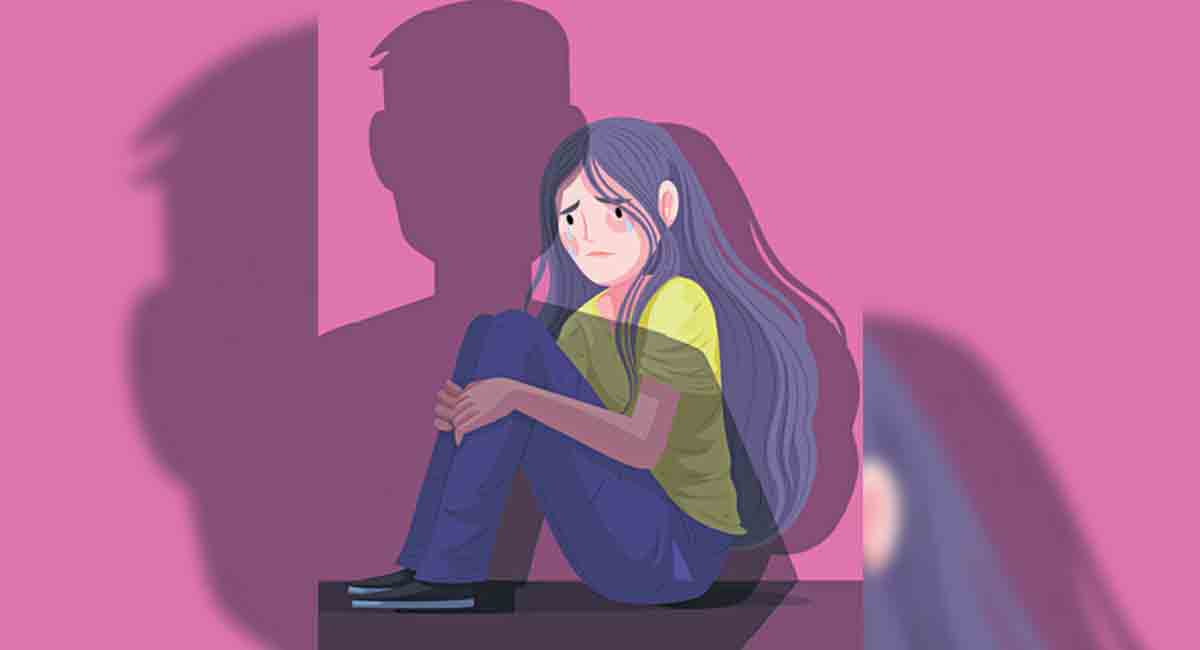


Connections across boundaries are becoming faster and stronger as technology continues to advance. While this is wonderful for families, long-distance friends and people with common interests, it also makes it easier for traffickers to search out, recruit and exploit unsuspecting victims without getting caught.
Cyber trafficking means online trade of humans for forced labour, sexual slavery, child pornography, selling babies and surrogate mothers or even organ trading. Every aspect of an individual’s behaviour is tracked, documented and harvested. Fraudsters steal private words, actions, conversations and photos, and make them public, without context, without compassion.
Worldwide, 4.95 billion people use the internet and of these, 4.62 billion are active social media users — this means, 58.4 per cent of the world population uses social media. This social media access provides traffickers with virtually limitless marketing potential and direct access to several vulnerable populations, such as unmonitored children, runaways, homeless people and those living in isolation or poverty.
Who is at risk and why
All children are at risk of exploitation over the internet. There are a few behaviours that make them vulnerable to trafficking. Some include (a) adolescence (b) social exclusion (c) parental conflict (d) history of physical abuse (e) depression, bullying, poverty, urbanisation and family disintegration.
How cyber traffickers trap victims
Traffickers take the form of faceless online ‘friends’ by spending months grooming (befriending and building a relationship with) children to gain trust over time so that they can coax them into a lifetime of abuse and exploitation. They give the victim so much care and attention, often send gifts, make enticing promises and win their trust.
Traffickers use many deception tactics online, similar to offline tactics. They promise a job to a poor student, pose as a task model or caring companion to form dependence, or entrap a victim through indentured servitude for a compounding loan. After a relationship is established, the trafficker manipulates or coerces the victim into sexual acts both offline and online.
What do they do
(a) Traffickers commit virtual sexual assault and other forms of exploitation; sell photos and videos across the world on various platforms.
(b) They use technology to profile, recruit, control and exploit their victims, as well as to hide illegal materials derived from trafficking.|
(c) They create fake websites or post advertisements on job portals and social networking sites. A variety of these sites feature the option of a live chat. This provides traffickers with immediate contact and opportunity to obtain personal information, enhancing their power over targeted victims.
(d) Location-tracking applications and worldwide positioning systems in mobile phones are used to determine the victim’s location, while cameras in smartphones used during video calls enable traffickers to see victims and their surroundings.
(e) Traffickers also maintain control over victims by threatening to release intimate photos or videos to family and friends if they do not comply.
The illicit proceeds from this highly profitable crime are laundered online through cryptocurrency, which makes it easier for traffickers to receive, hide and move large amounts of money with less risk of being detected. When an offence against the law is planned in one country, with victims in another country, and a customer in a third location, enforcement authorities face practical challenges such as finding and securing evidence, as the investigation requires cooperation across borders and requires high level of digital expertise.
Prevention
* Web pages of police departments, social organisations, Ministries, banks and other public or private entities should increase awareness, and protect people against dangers inherent in the new technologies.
* Educational programmes meant for children must be aware that the youth depend on them for those abusing situations and such programmes should offer realistic reporting mechanisms and provide caretaking relationships when families are away. (For example, toll-free numbers 100, 1098 and 1930 among others)
* create supporting resources to identify behavioural changes, provide parents with knowledge, ideas and conversation-starters to protect children from online sexual assault.
* Topics of sextortion, child labour, surrogacy and organ sales should be covered in formal education, along with dangers of using social media and video chats, for children aged eight-17.
* Widespread dissemination of digital wellbeing across schools, colleges, and public and private sector companies.
Quick tips for kids
Some quick tips include (a) staying private on social media (b) connecting with known people only (c) avoiding personal expressions and emotions online (d) fact-checking before forwarding (e) enabling two-factor authentication for email and social media platforms (f) having your family members as friends and partners on social channels and online games (g) using family email (h) allotting more green time than screen time (i) enabling ‘play it safe’ features for all games and (j) activating parental control for all apps, browsers and social channels.
Stay tuned to Cyber Talk for more on internet ethics and digital wellness brought to you by Anil Rachamalla of End Now Foundation, www.endnowfoundation.org.

Related News
-

Five arrested for robbing Rs 25 lakh during USDT cryptocurrency deal in Hyderabad
-
Opinion: Don’t ‘fix’ young people — understanding India’s youth mental health crisis
-
Ram Gopal Varma reacts to morphed Chuttamalle video, says focus should be on perpetrators
-
TGSRTC-Metro common pass draws mixed response from commuters